Mileage is a useful starting point when assessing exported used cars, but it does not establish a vehicle’s overall condition. For buyers in Ghana, Nigeria, Kenya, Uganda and Tanzania, the more important task is to compare recorded mileage with service history, mechanical inspection findings and visible wear. These factors also help explain differences in buyer preferences across the West African used vehicle market.
Mileage bands provide an initial basis for comparing vehicles of similar models and production periods. A lower-mileage vehicle may attract a stronger resale position, but the reading needs supporting evidence. A vehicle with higher recorded mileage and consistent maintenance may be a more practical purchase than one with a low reading and incomplete records. Buyers should compare the odometer against service invoices, inspection records, tyre wear, steering wheel condition, pedal surfaces and seat bolsters. Electronic odometer readings can also require diagnostic verification. If mileage records contain unexplained gaps or inconsistencies, the discrepancy should be resolved before payment. The question of how is the used car market developing in Africa cannot be separated from this issue: buyers increasingly need evidence of vehicle condition rather than relying on mileage as a standalone selling point.
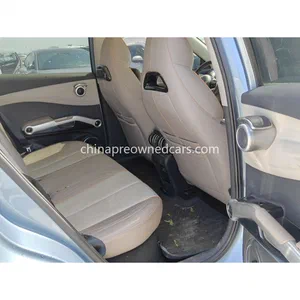
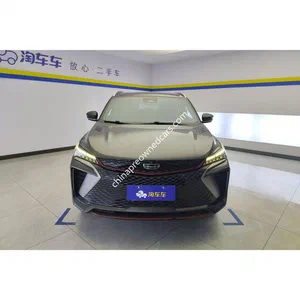
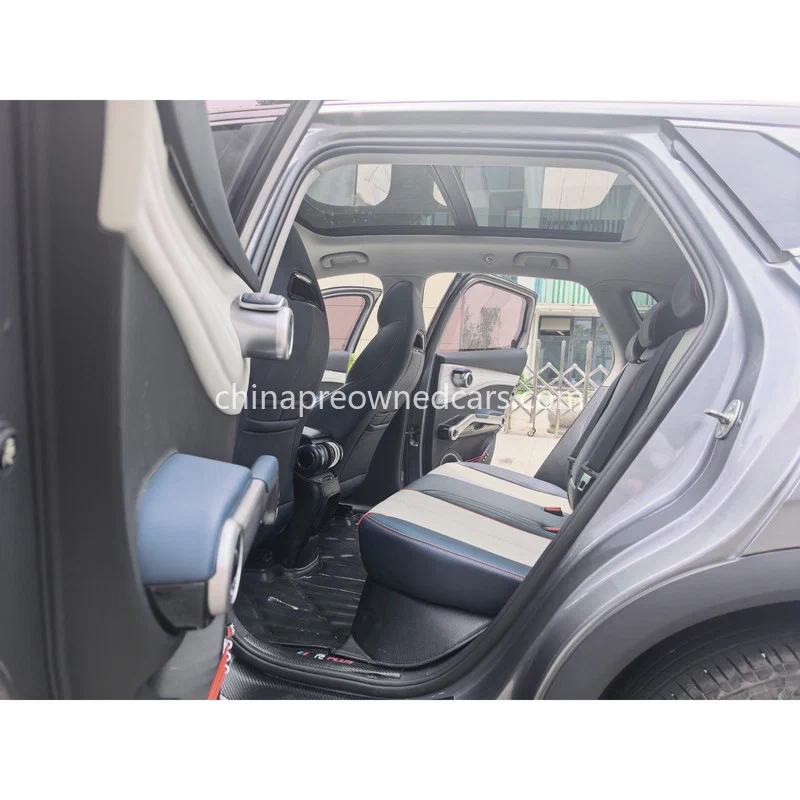
Condition grading should distinguish cosmetic appearance from mechanical health. Cosmetic grades normally describe paintwork, dents, scratches, interior wear, glass condition and signs of previous body repairs. Mechanical assessment covers the engine, transmission, suspension, steering, braking system, cooling system and electrical components. A vehicle described as export-grade or dealer-grade does not automatically meet a universal certification standard. These terms are generally commercial descriptions, and their meaning depends on the exporter’s inspection criteria. Buyers should request the grading scale in writing, including the defects permitted within each grade. Photographs of exterior panels, cabin surfaces, engine compartments and the underside help establish a visual record. However, photographs cannot confirm the condition of internal mechanical components or rule out hidden accident damage.
Inspection reports provide more useful evidence when they identify the methods and limitations of the assessment. A proper pre-shipment inspection can cover vehicle identification number verification, odometer readings, body condition, engine operation, transmission behaviour, braking performance, suspension components, tyres, lights and diagnostic fault codes. A road test, where permitted, can reveal abnormal vibration, steering problems or transmission hesitation. Yet an inspection is a snapshot, not a guarantee of future performance. It may not identify intermittent electrical faults, concealed structural repairs or problems that appear only after extended operation. Buyers should ask whether the vehicle was inspected with a cold engine, whether diagnostic equipment was used and whether any warning lights were recorded. VIN details should also match the vehicle and export documentation. Any unresolved fault should be recorded before the purchase agreement is finalised.
Model preferences reflect differences in operating costs, vehicle size and intended use. The BYD Atto 3 attracts interest from buyers considering electric mobility, while the Chery Tiggo 7 Plus and Geely Coolray serve buyers looking for compact or mid-size SUV practicality. The Chery Tiggo 8 Pro offers a larger vehicle format, and the Haval H6 competes in the established family SUV segment. Compared with used European and Japanese alternatives, Chinese-brand vehicles can offer newer equipment and different price positioning, although resale familiarity, spare-parts availability and repair experience vary by market. Buyers in Ghana and Nigeria may place particular emphasis on cabin condition, road performance and maintenance access. In Kenya, Uganda and Tanzania, suitability for local roads and the availability of technicians also influence purchasing decisions. These preferences should be evaluated alongside actual vehicle condition, not assumed from model reputation.

Electric and hybrid vehicles require additional checks that do not apply in the same way to conventional petrol models. For a used BYD Atto 3, buyers should request a battery state-of-health assessment, available battery diagnostic records and details of charging performance. Battery capacity, cell imbalance, temperature history and charging faults can affect the vehicle’s practical value. Hybrid vehicles also require checks of the combustion engine, electric drive system, battery and control electronics. A dashboard range estimate alone is not a battery health report. Export arrangements must account for applicable battery transport requirements, particularly when shipping an electric vehicle in a container. Most Chinese domestic-market vehicles are left-hand drive, which needs particular attention when assessing destination suitability. Import rules in Ghana, Nigeria, Kenya, Uganda and Tanzania can differ on vehicle age, emissions, roadworthiness and permitted specifications. Buyers should confirm current requirements before selecting a vehicle.
The commercial comparison should therefore use a documented condition profile rather than a headline mileage figure. Before committing funds, request the VIN, mileage evidence, inspection report, service records where available, recent photographs and a written list of known defects. Ask which components were tested, which were only visually examined and which could not be assessed. Payment terms should identify the inspection approval stage, balance payment conditions and responsibility for discrepancies. The exporter should also explain how export licensing, customs declaration, pre-shipment inspection and shipping documentation are handled. Vehicles may travel by RoRo or in containers, depending on vehicle type, shipping arrangements and buyer requirements. Neither method removes the need to verify condition before loading. A clear inspection record gives both parties a reference if the vehicle’s arrival condition differs from the documented pre-shipment condition.
FAQ
Q: Is low mileage always a sign of a better used car?
A: No. Low mileage should be supported by service records and physical wear patterns. Maintenance history and mechanical condition are equally important.
Q: What does export-grade condition mean?
A: Export-grade is a commercial description rather than a universal certification. Buyers should request the exporter’s grading criteria and a detailed inspection report.
Q: Can a pre-shipment inspection guarantee that a used car has no hidden defects?
A: No. It records the vehicle’s condition at the time of inspection but cannot rule out every concealed or intermittent fault. Independent verification may be necessary for high-value purchases.