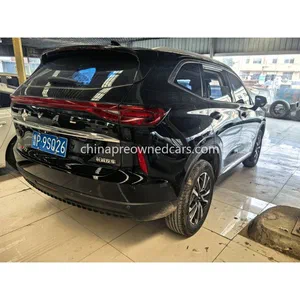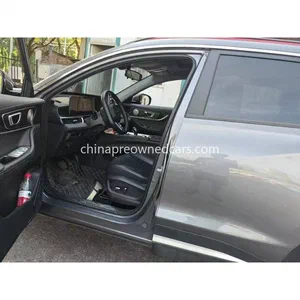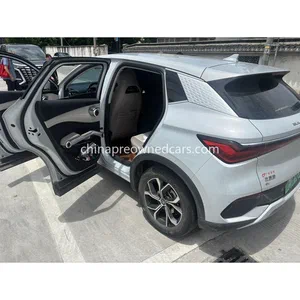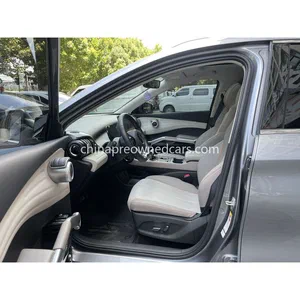

Comparing prices for used cars from China before importing them to West and North Africa requires careful consideration of several factors. From shipping costs to import duties and vehicle condition, understanding the total cost of ownership is essential for making a smart purchase. This guide will help you evaluate pricing options effectively.
Start by calculating the landed cost of a vehicle, which includes the purchase price, shipping fees, insurance, and import duties. In countries like Ghana and Nigeria, duties can vary depending on engine size, age, and vehicle type. Be sure to factor in CIF (Cost, Insurance, and Freight) when comparing suppliers, as this is the most common pricing term for international car exports. For example, a car quoted at $10,000 FOB (Free on Board) may seem cheaper initially but could end up more expensive than a $12,000 CIF option once you add shipping costs.
Vehicle condition is another key variable when comparing prices. Always request detailed inspection reports, including mileage, service history, and any prior accident records. Avoid vehicles with high mileage or extensive repair histories, as they may have hidden costs down the line. For fleet buyers and importers, consistency in quality is critical, so work with exporters who are transparent and provide reliable documentation.
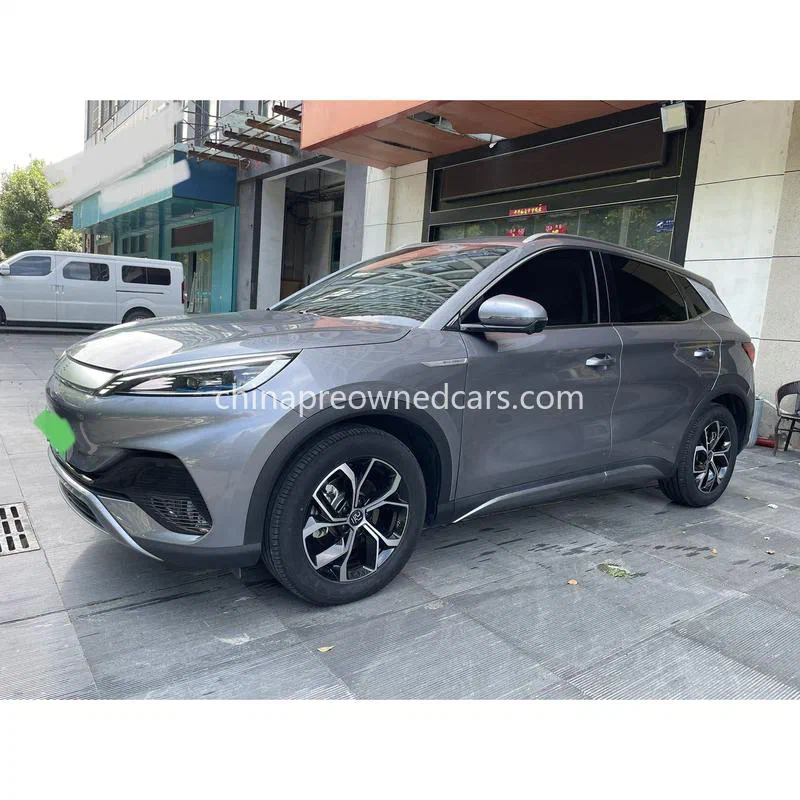
Shipping methods also impact pricing. RORO (Roll-on/Roll-off) shipping is often the most cost-effective option, especially for buyers in West Africa, but container shipping may be worth considering for high-value vehicles to ensure better protection. Additionally, confirm port clearance fees at the destination to avoid unexpected expenses. Ports in Lagos and Tema, for instance, have specific processes and costs that must be accounted for.
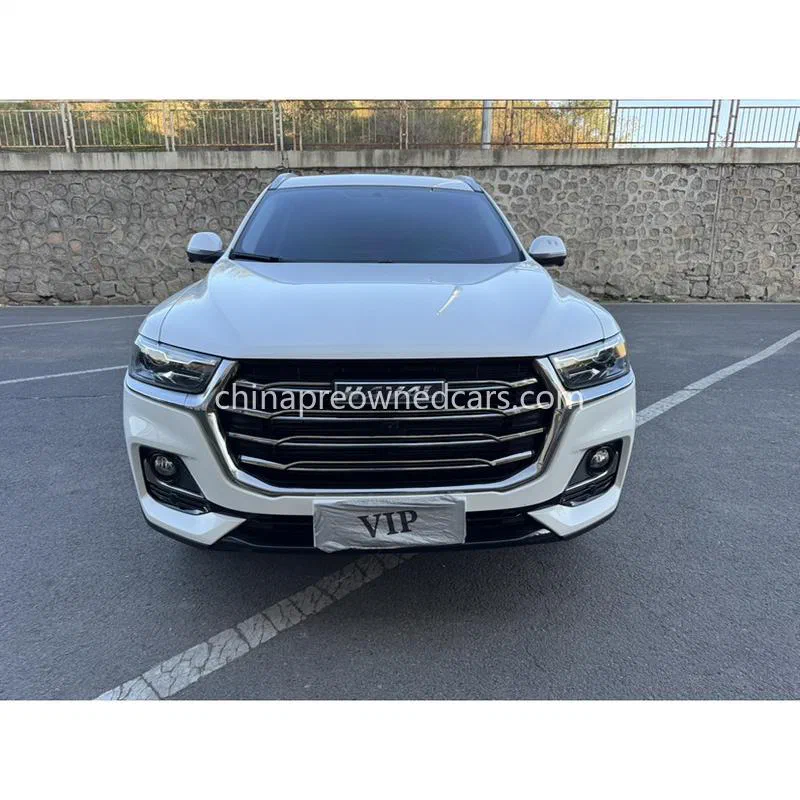
Finally, compare resale value and total cost of ownership across models. Popular brands like Chery, Geely, and Haval often hold their value well in African markets. Models with good fuel economy, spare parts availability, and low maintenance costs are ideal for long-term profitability.
FAQ
Q: What is the difference between FOB and CIF pricing? A: FOB covers the cost of the vehicle up to the port of departure, while CIF includes the cost of the vehicle, insurance, and shipping to the destination port.
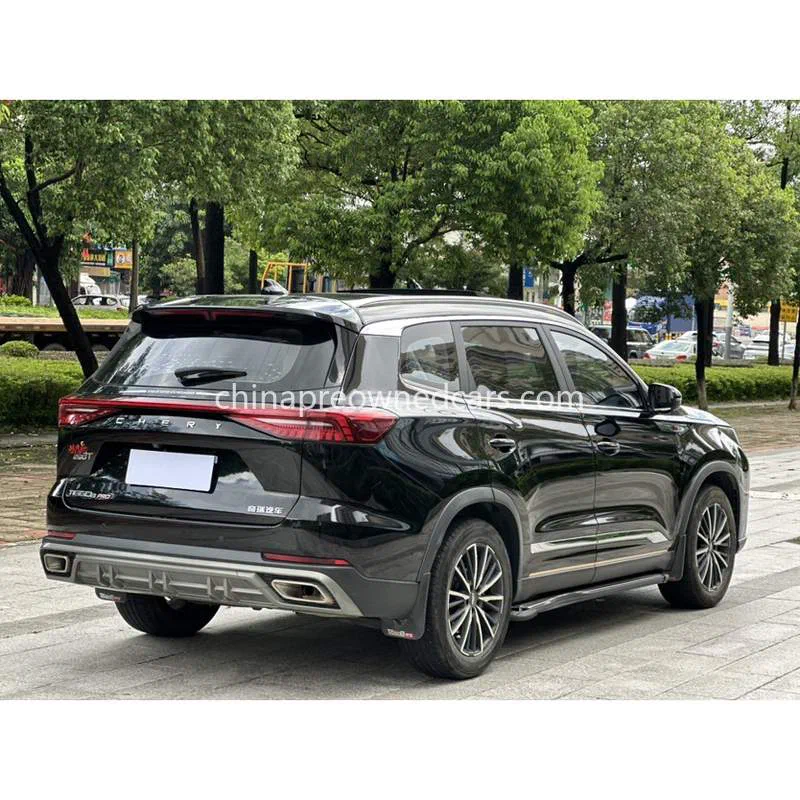
Q: How can I ensure the vehicle’s condition before purchase? A: Request a detailed inspection report and verify the service history. Working with trusted exporters who provide transparent documentation is crucial.