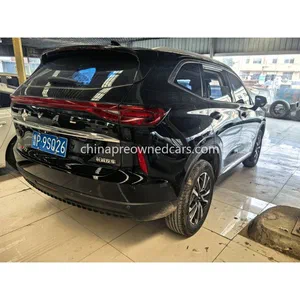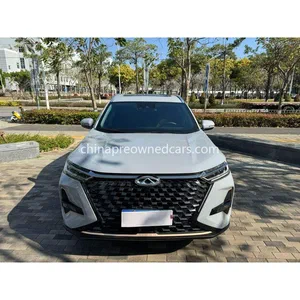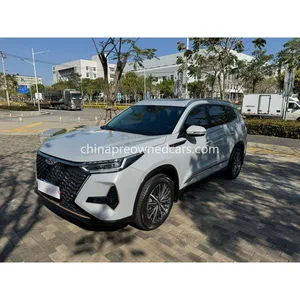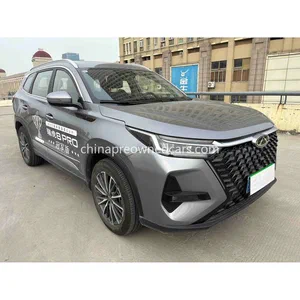
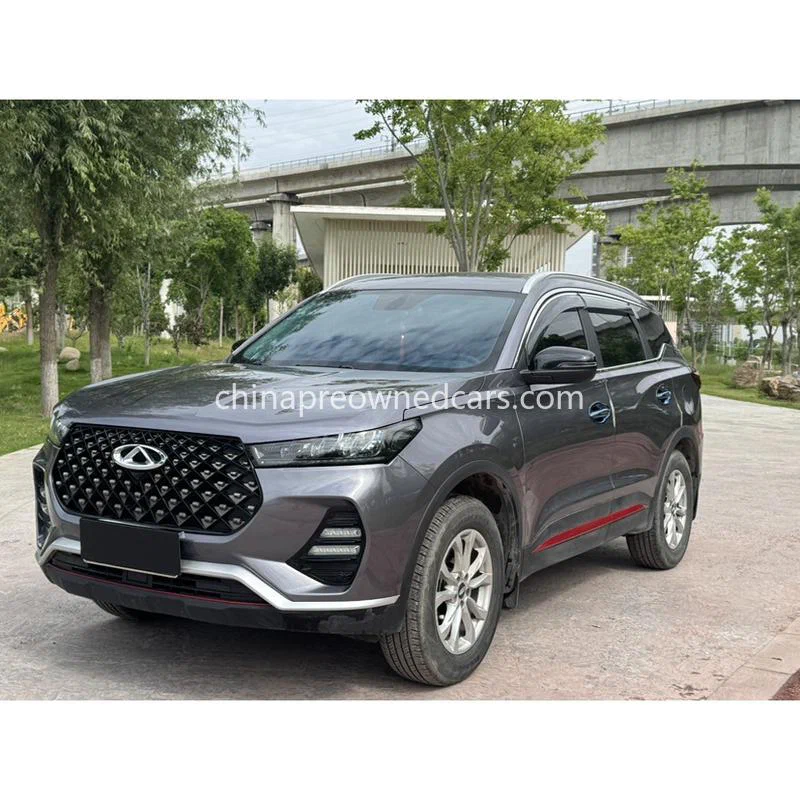
Choosing a second-hand electric vehicle (EV) for import requires careful attention to battery health, total landed cost, and shipping logistics. With the growing demand for EVs in markets like West Africa and North Africa, understanding key inspection points and cost breakdowns can help dealers and importers make profitable decisions.
Battery health is the most critical factor when buying a used EV. Request a detailed battery inspection report from the seller, including the state of health (SOH) percentage. This figure tells you how much capacity the battery retains compared to its original state. Aim for an SOH above 80% for optimal performance and resale value. If possible, opt for vehicles with a warranty still valid in your destination region, as this can significantly reduce risks. Be cautious of extremely low-priced EVs; they may have degraded batteries that will cost more to replace than the savings.
When calculating costs, consider more than the sticker price. For imports to Ghana or Nigeria, factor in shipping charges like Roll-on/Roll-off (RoRo) or container shipping, customs duties, and port clearance fees. For instance, EVs may qualify for lower import duties in some African countries, but this varies by region. Use the CIF (Cost, Insurance, and Freight) pricing model to estimate the total cost to your destination port. Always verify duty rates and any applicable incentives for importing green vehicles in your target market.
Shipping logistics are another key consideration. RoRo shipping is cost-effective for EVs but exposes them to potential damage. If the vehicle is high-value or comes with a fragile battery system, container shipping might be a safer option, though it’s more expensive. Ensure all documentation, including the bill of lading and customs paperwork, is accurate to avoid costly delays at the port.
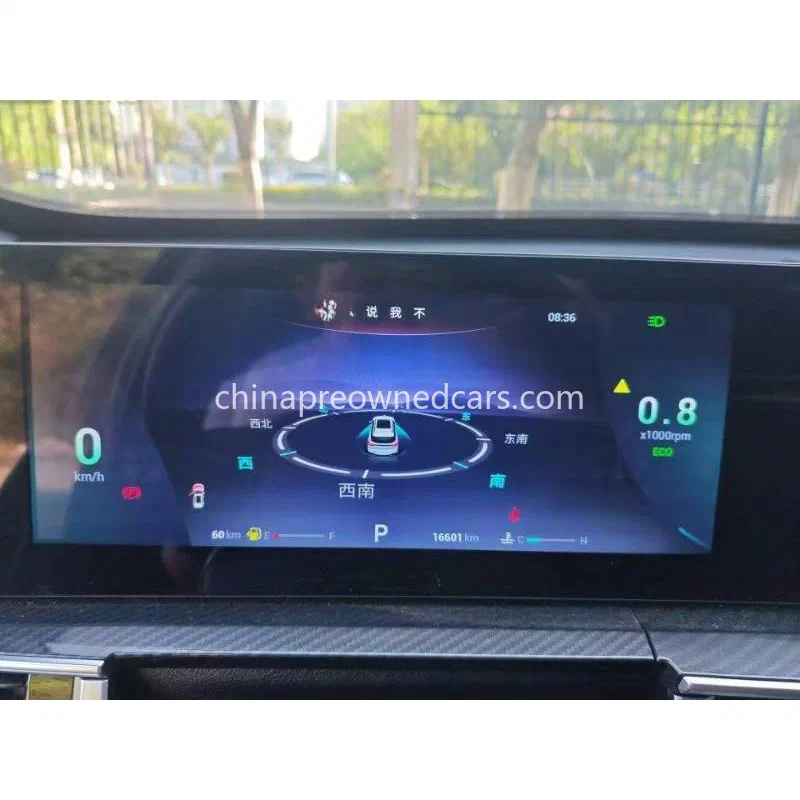
Finally, think about local factors, such as the availability of charging infrastructure and spare parts. EVs like the BYD Atto 3 or Geely Coolray are gaining popularity due to their reliability and the availability of replacement parts in key African markets. Choose models with proven after-sales support to ensure smooth operation post-import.
FAQ
Q: How can I check the battery health of a used EV before purchasing?
A: Request the state of health (SOH) percentage from the seller or arrange for a third-party inspection. An SOH above 80% is recommended.
Q: What are the shipping options for EVs from China to West Africa?
A: RoRo is cost-effective but exposes the vehicle to potential damage. Container shipping is safer but comes at a higher cost.
Q: Do EVs qualify for reduced import duties in West Africa?
A: Some countries, like Ghana, offer lower duties for EVs, but the policies vary. Check with local customs for the latest information.