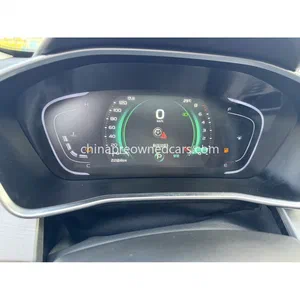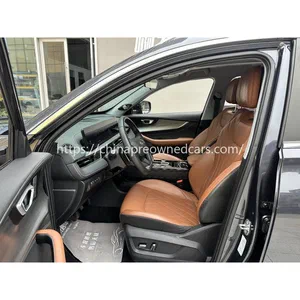

The BYD Atto 3 has emerged as a competitive option for buyers in African markets, particularly in countries such as Ghana, Nigeria, and Kenya. With its left-hand drive configuration, it aligns well with the driving norms in these regions. The vehicle’s electric powertrain is especially appealing given the increasing shift towards sustainable transport solutions. However, potential buyers should consider local infrastructure for charging and the prevailing conditions that may affect vehicle performance and longevity.
Market requirements in Africa are diverse, with various countries imposing specific regulations on vehicle age, emissions standards, and import duties. While the BYD Atto 3 meets many modern emission standards, buyers should verify the current regulations applicable in their target countries. For instance, some markets may have restrictions on the age of vehicles being imported, while others focus on environmental compliance. These factors can significantly influence the overall cost and feasibility of bringing a vehicle into the country.

In terms of competition, the BYD Atto 3 faces challenges from both European and Japanese used vehicles, which have established reputations for reliability and performance. However, Chinese vehicles like the Atto 3 often provide more attractive pricing and modern features, making them appealing alternatives for cost-conscious buyers. The increasing demand for electric vehicles in urban areas of Africa further strengthens the Atto 3’s market position, especially where fuel prices are high and charging infrastructure is developing.
Before finalizing a purchase, buyers should engage in thorough due diligence. This includes inspecting the vehicle’s condition and verifying its history, which is crucial for ensuring a satisfactory investment. Payment terms and shipping logistics must also be clarified upfront, as these can vary significantly. Understanding the expected shipping lead times, which typically range from 15 to 25 days, is essential for planning delivery to the buyer’s location. After-sales support can also differ by exporter, making it a vital consideration for long-term vehicle ownership.
FAQ
Q: What should I check when buying a BYD Atto 3 for export?
A: Buyers should verify the vehicle’s condition, history, and compliance with local import regulations.
Q: What are the typical shipping times for vehicles exported to Africa?
A: Shipping lead times usually range from 15 to 25 days, depending on logistics and destination.
Q: How do I ensure compliance with import regulations in my country?
A: Consult local authorities or import agents to confirm current regulations regarding vehicle age, emissions, and other requirements.