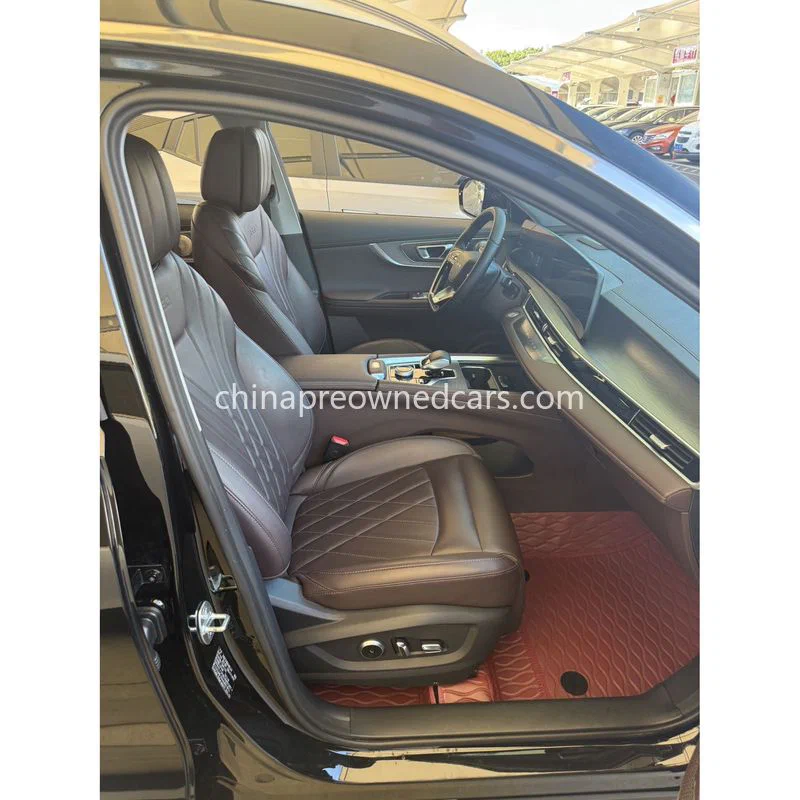
Moving a used vehicle from China to an overseas port involves more than sourcing a suitable model and arranging ocean freight. Export dealers coordinate vehicle inspection, documentation, customs clearance, port handling and shipping, while accounting for the import requirements of the destination country. For buyers in Ghana, Nigeria, Kenya, Uganda and Tanzania, each stage affects the final landed cost and the time required to receive a vehicle.
Market Demand and Vehicle Selection Before Export
Demand for Chinese used SUVs in West Africa is increasingly shaped by the balance between purchase cost, vehicle equipment and long-term running expenses. Buyers who previously concentrated on established European and Japanese brands are also considering Chinese manufacturers, particularly where newer model years and additional equipment can be obtained within a competitive budget. This does not mean traditional brands have lost their appeal. Familiarity, parts availability and resale expectations remain important factors in purchasing decisions.
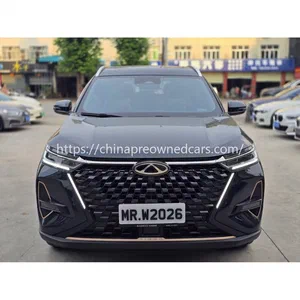
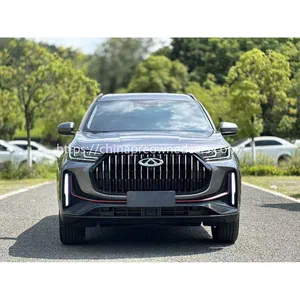
Among the models supplied by Chinese exporters, the BYD Atto 3 attracts attention from buyers interested in fully electric transport. Its appeal depends heavily on local charging access, battery condition and the availability of technicians familiar with electric drivetrains. The Chery Tiggo 7 Plus and Geely Coolray address buyers looking for compact and mid-size SUV options, while the Chery Tiggo 8 Pro offers a larger vehicle format for households and commercial users needing additional cabin space. The Haval H6 also occupies an established position in the Chinese SUV segment. Model selection should reflect actual local use rather than equipment lists alone.
Market preferences differ across Ghana, Nigeria, Kenya, Uganda and Tanzania. Buyers in Ghana and Nigeria often assess vehicle affordability alongside fuel consumption, ground clearance and the availability of replacement parts. In Kenya, import eligibility and vehicle age restrictions are particularly important considerations. Uganda and Tanzania buyers also need to assess road conditions, maintenance access and the cost of bringing a vehicle through the relevant port and inland transport network. Chinese used vehicles can offer a different price-to-equipment proposition compared with European and Japanese alternatives, but their resale value and servicing requirements should be assessed independently.
Inspection, Documentation and Shipping Preparation
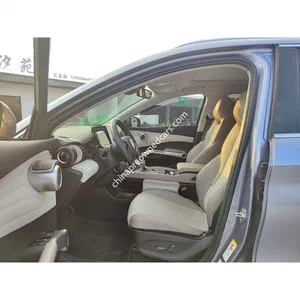
Once a buyer selects a vehicle, the exporter arranges a pre-shipment inspection before the vehicle enters the export process. This stage establishes a documented picture of its condition. A useful inspection covers the exterior body, paintwork, glass, lights, tyres, suspension, braking system, steering, engine or electric motor, transmission and interior equipment. The inspector should also check the vehicle identification number (VIN), odometer reading and available service records. Any accident repairs, corrosion, warning lights or visible mechanical issues should be recorded rather than treated as minor details.
Electric vehicles require additional checks. For a BYD Atto 3, buyers should request available battery state-of-health information, diagnostic results and charging-system checks. Battery capacity and charging performance can influence the vehicle’s practical range after arrival. Battery transport and handling requirements must also be considered when arranging shipment. A standard inspection certificate should not be confused with a guarantee of mechanical condition or future performance. The exact inspection certificate or conformity documentation required depends on the destination’s current import rules and the applicable inspection arrangements.
Documentation follows inspection and export preparation. Chinese used vehicle exports require the appropriate export licensing, customs declaration and pre-shipment inspection procedures. The exporter normally coordinates the commercial invoice, vehicle details, customs declaration and shipping instructions. A certificate of origin may be required by the destination authorities or requested for customs processing. The bill of lading is issued by the shipping carrier after the vehicle has been accepted for shipment. It records the shipment and serves as a key transport document. Buyers should check that the VIN, consignee details, vehicle description and destination port are consistent across the relevant paperwork.
Shipping method is the next commercial decision. Roll-on/roll-off (RoRo) shipping is suitable for operational vehicles that can be driven onto and off the vessel. It can be a practical option for standard SUVs and may reduce handling and packing costs. However, vehicles are exposed to the shared vessel environment, and the available service depends on the route and carrier. Container shipping offers greater separation from other cargo and may be preferable for higher-value vehicles or shipments requiring additional protection. It involves container loading, securing and handling costs. Neither method eliminates transport risk, so insurance coverage, loading photographs and the condition record before departure matter.
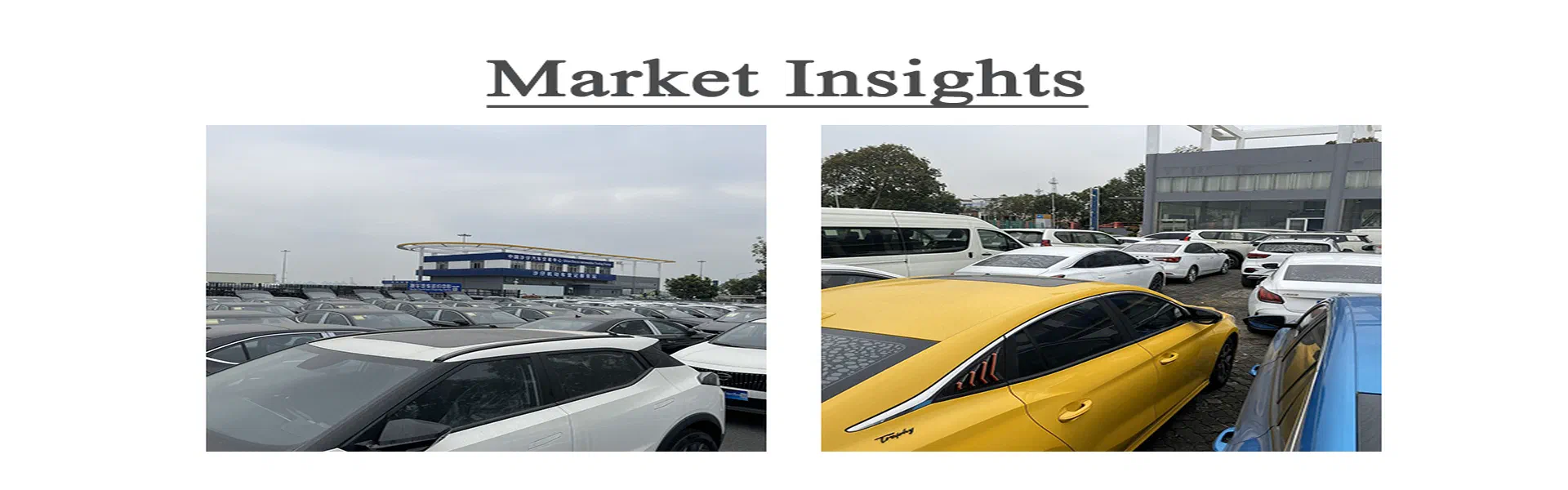
Port handling adds another set of steps. After customs release in China, the vehicle is transferred to the export terminal, where shipping documents and booking details are checked before loading. Terminal staff manage vehicle acceptance, storage and vessel loading according to the carrier’s procedures. After departure, the exporter provides shipment information and the bill of lading details for the buyer’s clearance arrangements. Transit time varies with the departure port, destination, vessel schedule, transshipment and congestion. Buyers should distinguish the time needed for sourcing and export preparation from ocean transit and destination-port release; a quoted shipping period does not necessarily cover the full delivery process.

For buyers comparing the best dealerships to buy used cars, the export workflow is a useful measure of operational capability. A credible supplier should explain which inspection documents are available, how vehicle condition is recorded, what the quoted shipping arrangement includes and which costs remain payable at destination. Payment terms should identify the deposit, balance-payment milestone, documentation release conditions and responsibility for bank charges. Before funds are transferred, buyers should independently verify the exporter, company details, vehicle identity and payment beneficiary. Import duties, port charges, clearing-agent fees and inland transportation should be budgeted separately from the vehicle purchase and ocean freight.
FAQ
Q: How long does it take to export a used car from China?
A: The overall process depends on vehicle sourcing, inspection, export clearance, vessel availability and destination-port handling. Buyers should request separate estimates for export preparation and ocean transit.
Q: Is RoRo or container shipping better for used SUVs?
A: RoRo is often suitable for operational vehicles where lower handling costs are a priority. Container shipping provides greater separation and protection but generally involves additional loading and freight expenses.
Q: What documents should buyers request before a used car leaves China?
A: Buyers should confirm the export documentation, customs declaration, inspection records, commercial invoice and applicable certificate of origin arrangements. The bill of lading is issued by the carrier after shipment acceptance and loading.