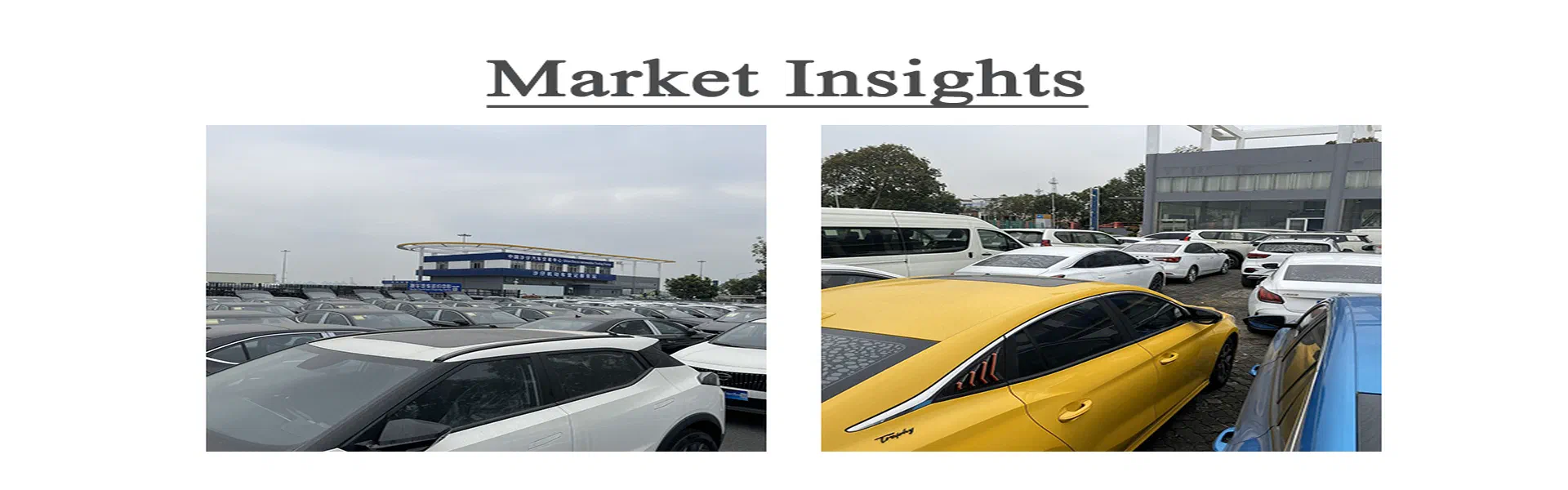
Used car wholesalers handle inspection and export paperwork by checking each vehicle against its documented condition, arranging pre-shipment inspection, and completing the export documents required for customs clearance. For buyers in Ghana, Nigeria, Kenya, Uganda, and Tanzania, these processes also determine whether a vehicle can meet destination-country import requirements and be released at the port.
How Vehicle Inspection Shapes Export Purchasing
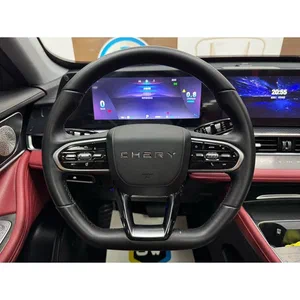
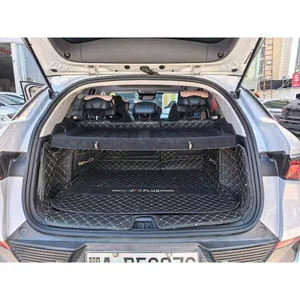
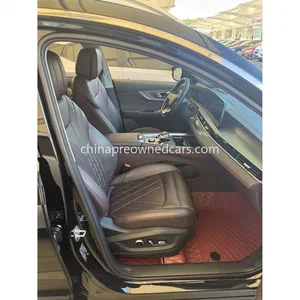
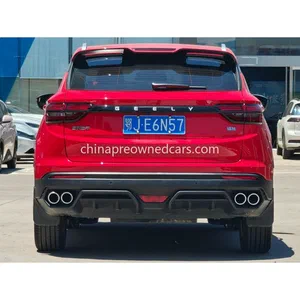
For Chinese used vehicle exporters, inspection begins before a vehicle is offered for shipment. The exporter checks the vehicle’s identity, mechanical condition, exterior, interior, and available service records. The findings help establish a condition assessment that overseas buyers can review before confirming a purchase. This is particularly important for wholesalers purchasing remotely, where an inspection report and supporting photographs provide the main evidence for evaluating a vehicle.
The inspection process should cover more than visible bodywork. Engine operation, transmission response, suspension, braking components, tyres, dashboard warning lights, and electrical equipment all require attention. For models such as the Chery Tiggo 7 Plus, Chery Tiggo 8 Pro, Geely Coolray, and Haval H6, buyers should also request checks of the vehicle’s electronic systems and available maintenance history. A vehicle that looks clean in photographs may still have mechanical faults or previous accident repairs. VIN verification and a review of ownership records help identify discrepancies before payment and shipment.
Condition grading gives buyers a common reference when comparing vehicles from different sources. However, grading terminology is not universal. One exporter may classify a vehicle as excellent while another uses a different inspection threshold. Buyers should request the actual inspection criteria, photographs of repaired areas, odometer evidence, and details of any known faults. Mileage should be checked against available service records and vehicle data rather than accepted as an independently verified figure. For bulk purchasing, a consistent grading method also makes it easier to compare units and assess the expected refurbishment costs after arrival.
Export Documentation and Shipping Arrangements
Once the buyer approves a vehicle, the exporter moves to documentation and shipment preparation. China’s used vehicle export process requires the appropriate export licensing, customs declaration, and pre-shipment inspection. The exporter or its appointed logistics partner coordinates the relevant procedures and prepares the supporting paperwork. Depending on the transaction and shipping arrangement, documents may include the commercial invoice, sales contract, vehicle ownership or registration records, export documentation, and bill of lading. The exact document set depends on the shipment and destination requirements.
Customs clearance requires the vehicle information and declared transaction details to be consistent. VIN, make, model, vehicle description, and other identifying details should match across the relevant records. Errors can lead to additional checks or delays at the export stage. Buyers should establish in advance which party prepares each document, who handles customs submissions, and when copies will be provided. Exporters handling several vehicles in one shipment should also maintain a clear unit-by-unit document list, particularly where different models or specifications are involved.
Shipping generally follows one of two methods: roll-on/roll-off (RoRo) or container transport. RoRo allows vehicles to be driven onto and off a specialised vessel. It is commonly considered for standard running vehicles when suitable sailings are available. Container shipping places vehicles inside secured freight containers and can offer additional protection from exposure during transit. It may also suit shipments involving multiple vehicles, subject to loading arrangements and container dimensions. The choice affects freight costs, handling procedures, and scheduling. Buyers should compare the full logistics quotation, including port charges, loading, insurance arrangements, and destination handling, rather than judging the options by ocean freight alone.
West African Market Preferences and Vehicle Suitability
Demand for Chinese-brand SUVs in West Africa reflects changing buyer priorities. European and Japanese vehicles retain established recognition in Ghana and Nigeria, particularly because of their familiar models and existing repair networks. However, Chinese manufacturers have expanded their presence with newer cabin designs, electronic equipment, and SUV configurations that compete in a different price segment. For wholesalers, this creates an opportunity to offer vehicles with relatively recent designs without relying exclusively on traditional Japanese or European supply channels. The actual price advantage depends on purchase condition, shipping expenses, import charges, and local resale values.
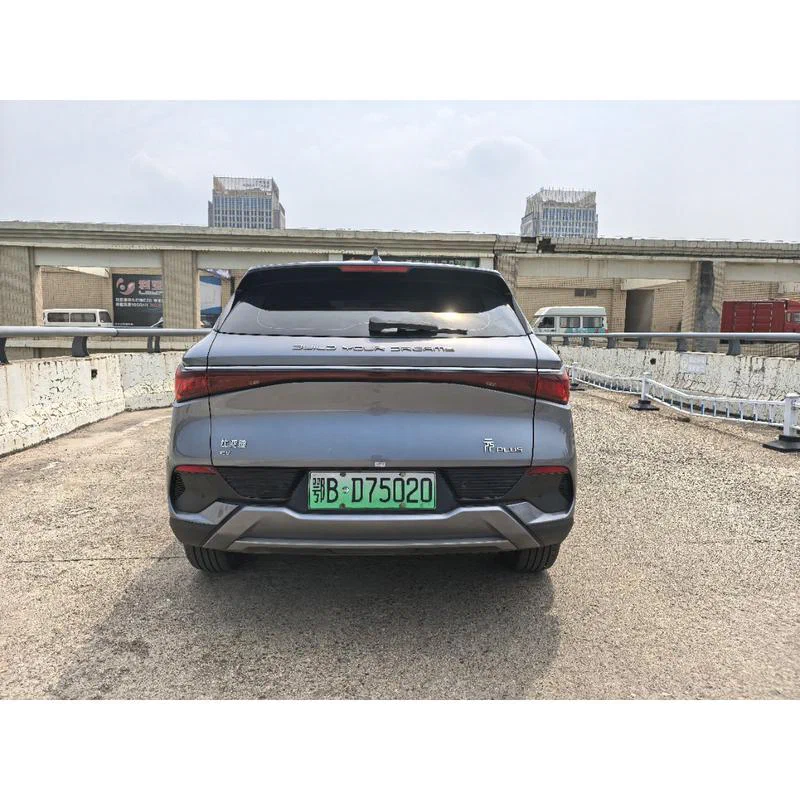
Model preferences vary by buyer segment. The BYD Atto 3 gives dealers an option in the fully electric SUV category, although its commercial suitability depends heavily on local charging access and the availability of battery diagnostics and technical support. Battery state of health should be assessed using diagnostic information, with attention to usable capacity, charging performance, and any recorded battery faults. Transport arrangements also require consideration of applicable battery-related shipping rules. The Chery Tiggo 7 Plus and Geely Coolray offer petrol-powered SUV alternatives for buyers prioritising conventional refuelling. The larger Chery Tiggo 8 Pro may appeal to customers seeking additional passenger space, while the Haval H6 occupies a competitive family-SUV segment. Buyers should compare actual engine and equipment specifications by individual vehicle rather than assume every model year has the same configuration.
Market requirements remain a separate purchasing consideration. Ghana, Nigeria, Kenya, Uganda, and Tanzania each apply their own rules covering vehicle age, emissions, roadworthiness, documentation, and import procedures. These requirements can change, so buyers should confirm the current regulations with the relevant customs authority or licensed clearing agent before committing to a shipment. Most Chinese domestic-market vehicles are left-hand drive. This is generally compatible with the road orientation in the five markets listed here, but buyers must still confirm the permitted vehicle configuration and applicable registration requirements. Import eligibility should be checked before purchase, not after the vehicle reaches the destination port.
For used car wholesalers, the supply-side advantage of sourcing from China comes from access to several Chinese-brand SUV categories through domestic vehicle channels. Exporters can assess available vehicles against the buyer’s preferred model, powertrain, equipment, and condition requirements. Price comparisons with European and Japanese alternatives should use the landed-cost figure rather than the vehicle purchase price alone. Freight, export handling, customs duties, port charges, local taxes, and any required refurbishment all affect the final commercial calculation. Buyers should also agree on payment milestones, inspection approval procedures, and responsibility for unexpected costs before funds are transferred. A written agreement should specify the vehicle identification details, payment conditions, shipping responsibilities, and the documents to be supplied. After-sales support should be discussed in practical terms, including access to diagnostic information, spare parts guidance, and assistance with documentation queries.

FAQ
Q: What documents should a buyer request from a Chinese used car exporter?
A: Buyers should request the sales contract, commercial invoice, vehicle identification details, applicable export documents, inspection records, and bill of lading after shipment. The final document requirements should be checked against the destination country’s current import rules.
Q: Can Chinese used SUVs be exported to Ghana, Nigeria, Kenya, Uganda, and Tanzania?
A: These markets receive vehicle imports, but eligibility depends on current country-specific rules covering vehicle age, emissions, roadworthiness, and steering configuration. Buyers should verify the requirements before purchasing, especially when sourcing left-hand-drive or electric vehicles.