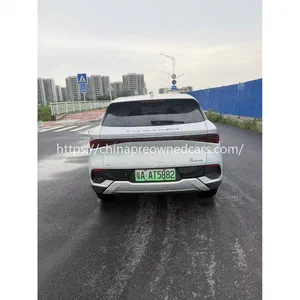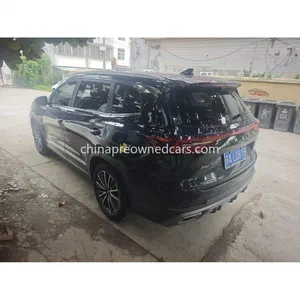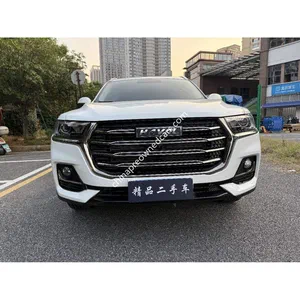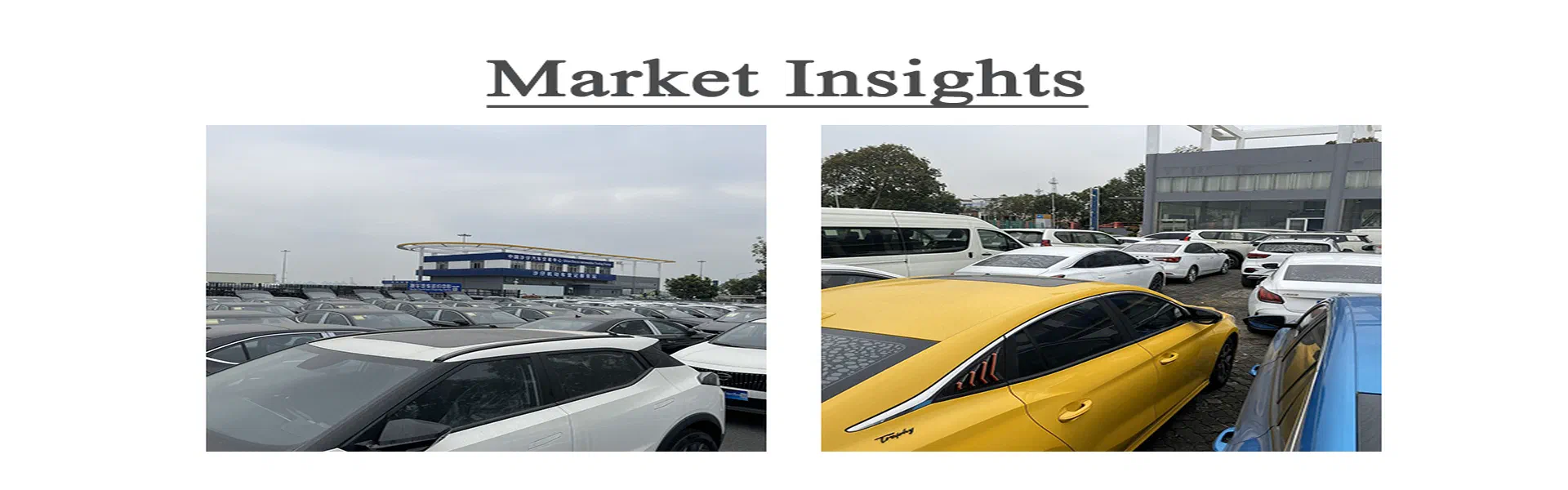
The export of Chinese used vehicles, particularly electric and hybrid SUVs, involves a structured workflow that ensures compliance with international regulations. This process includes pre-shipment inspection, export documentation, and the choice of shipping method, which can significantly impact delivery times and costs. Buyers must be aware of the unique characteristics of the vehicles available and the specific regulations of their destination markets in Africa, the Middle East, and South America.
Pre-Shipment Inspection and Certification
Pre-shipment inspection is a critical step in the export process. This inspection typically includes a thorough examination of the vehicle’s mechanical and electrical systems, body condition, and safety features. Certification is required to verify that the vehicle meets the standards set by the importing country. Inspectors check for proper functioning of key components, such as brakes, lights, and steering systems, while also assessing the overall condition of the vehicle. Documentation from this inspection is vital for customs clearance and should be retained by the buyer for future reference.
Export Documentation Requirements

Export documentation is essential for ensuring a smooth shipping process. Key documents include the customs declaration, bill of lading, and certificate of origin. The customs declaration provides details about the vehicle, including its make, model, and VIN. The bill of lading serves as a receipt for the goods and a contract between the exporter and the shipping company. The certificate of origin indicates where the vehicle was manufactured, which may affect import duties and tariffs. Buyers should ensure that all documentation is accurate and complete to avoid delays at customs.
Shipping Methods: RoRo vs. Container
When it comes to shipping vehicles, buyers typically choose between Roll-on/Roll-off (RoRo) and container shipping. RoRo shipping is often more cost-effective and straightforward, as vehicles are driven directly onto the ship. However, this method exposes the vehicles to potential weather-related damage. Container shipping, while generally more expensive, offers greater protection from the elements and can accommodate multiple vehicles within a single container. The choice of shipping method depends on factors such as budget, the number of vehicles being shipped, and the level of protection desired.
Port Handling and Logistics
Once the vehicle arrives at the destination port, it undergoes handling procedures that can vary based on local regulations. Port authorities perform another inspection to ensure compliance with import rules. This step may include checking the vehicle’s age, emissions standards, and whether it meets the local drive side requirements. Buyers should familiarize themselves with port handling processes in their specific country to anticipate any potential delays during customs clearance.
Typical Lead Times
Shipping lead times can vary significantly depending on the chosen shipping method and the destination. Typically, RoRo shipping may take around 15 to 25 days, while container shipping can take longer due to the additional logistics involved. Buyers must consider these lead times when planning their purchases, as they may impact the availability of vehicles for local sale or personal use. Coordination between the exporter and the buyer is essential to ensure a smooth transition from shipment to delivery.
Market Trends and Buyer Preferences
In the context of the African used vehicle market, Chinese electric and hybrid SUVs are increasingly popular due to their affordability and features. Models like the BYD Atto 3 and Chery Tiggo 7 Plus are becoming preferred choices over European and Japanese alternatives, primarily due to competitive pricing and readily available spare parts. As buyer preferences shift towards more environmentally friendly options, the demand for electric vehicles continues to rise. This trend is shaping the supply-side dynamics, making it crucial for exporters to align their inventory with market demands.
Practical Buyer Guidance
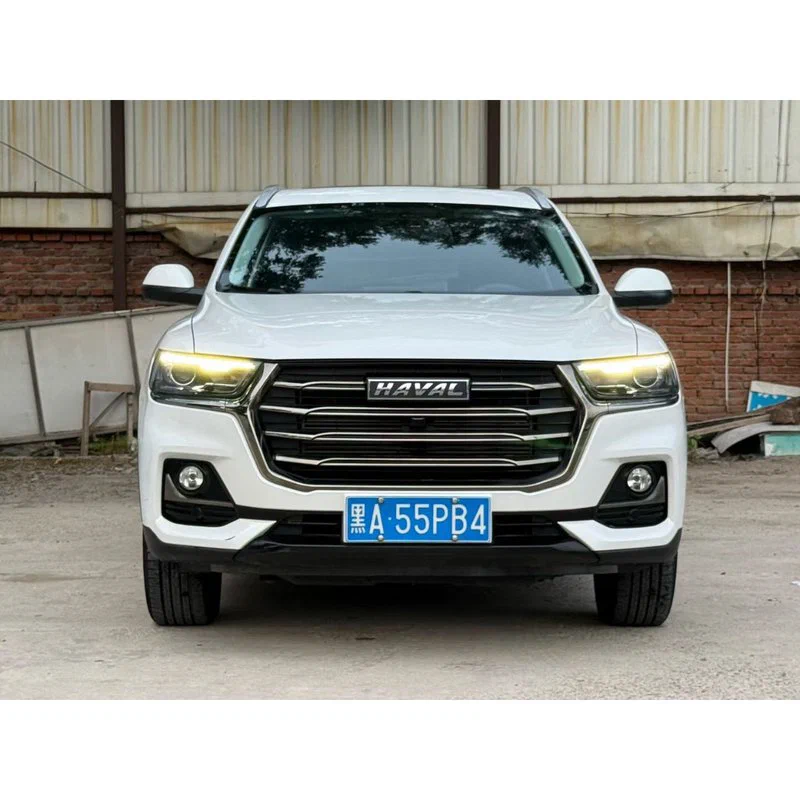
Before finalizing a purchase, buyers should verify the vehicle’s condition, including mileage and service history. It is advisable to request detailed photographs and reports from the exporter. Additionally, understanding payment terms is essential, as these can vary widely among exporters. After-sales support is another critical factor; buyers should inquire about warranty options and the availability of spare parts in their region. This preparation ensures a smoother transaction and greater satisfaction with the purchased vehicle.
FAQ
Q: What should I check during the pre-shipment inspection?
A: Focus on the vehicle’s mechanical systems, body condition, and safety features to ensure they meet your standards.
Q: How can I ensure timely customs clearance?
A: Ensure all documentation is accurate and complete, and familiarize yourself with your country’s import regulations.