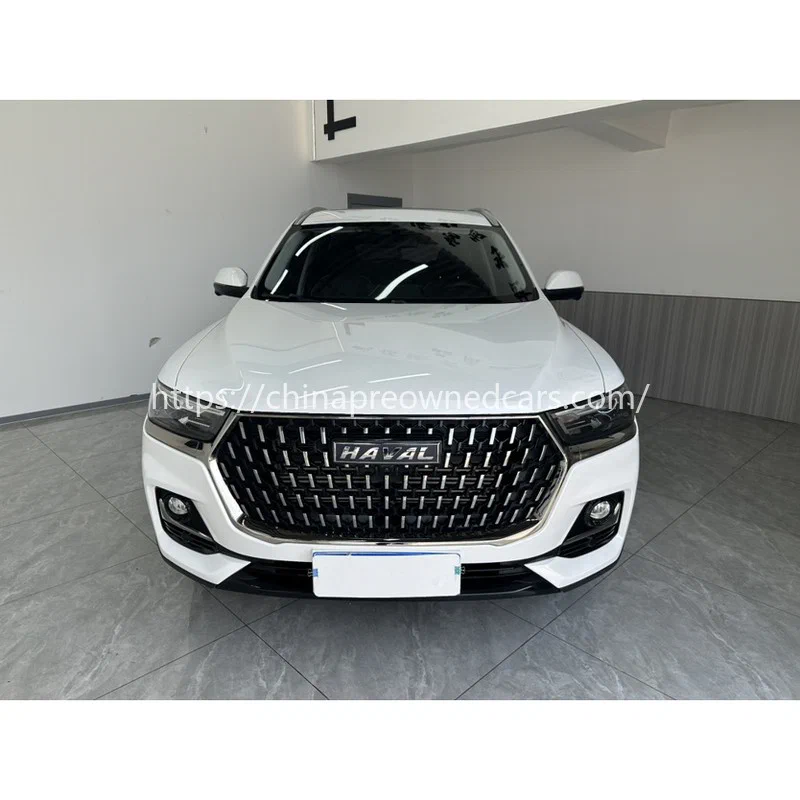
The route from a used vehicle in China to a destination port involves more than vehicle selection. This article follows the inspection, documentation, shipping, and port-handling stages while assessing demand for Chinese-brand SUVs in Ghana, Nigeria, Kenya, Uganda, and Tanzania.
Market positioning
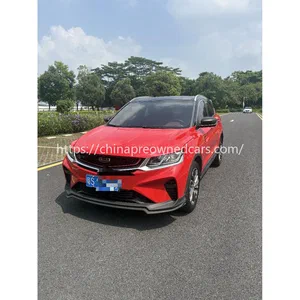
Demand for Chinese used SUVs is gaining attention in West Africa because buyers can access newer equipment and larger cabin space at a price position that may sit below comparable European vehicles. The BYD Atto 3 appeals to buyers considering an electric SUV, while the Chery Tiggo 7 Plus and Geely Coolray fit the compact SUV segment. The Chery Tiggo 8 Pro and Haval H6 address buyers seeking more interior room and a family-oriented specification. Actual suitability depends on powertrain, trim, mileage, service history, and destination rules.
Market preferences are not uniform. Ghana and Nigeria have active demand for practical SUVs, but buyers still place high value on ground clearance, air-conditioning performance, parts access, and simple maintenance. Kenya, Uganda, and Tanzania require closer attention to drive-side compatibility because most Chinese domestic-market vehicles are left-hand drive. That configuration may work for some buyers, but it can restrict registration or operation in markets with right-hand-drive requirements. A right-hand-drive unit must be sourced specifically rather than assumed to be available.
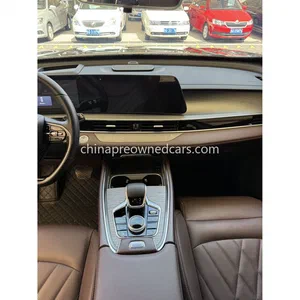
Chinese used vehicles compare differently with European and Japanese alternatives. European SUVs may offer familiar prestige and established repair networks, while Japanese vehicles often benefit from long-standing parts channels and mechanic experience. Chinese models can counter with recent cabin designs, larger screens, driver-assistance equipment, and available electrified powertrains. The supply base is also changing as Chinese owners replace vehicles more frequently, creating more export candidates. Buyers searching for good used cars under 10000 should compare landed cost, not only the purchase quotation.

From inspection to export file
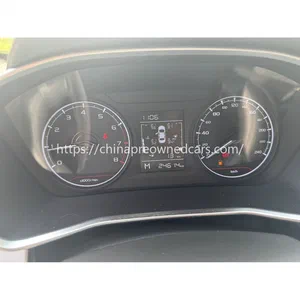
The pre-shipment inspection begins with identity checks. The VIN must match the vehicle, registration records, sales documents, and photographs. Inspectors normally review body panels for repair or repainting, glass, lighting, tires, wheels, suspension, steering, brakes, seat belts, airbags, and signs of water or fire damage. The engine, transmission, cooling system, charging equipment, and diagnostic fault records are checked according to the vehicle type. A condition grade should be supported by dated photographs and written findings rather than treated as a guarantee.
Electric vehicles require additional controls. For the BYD Atto 3, the battery state of health should be measured with a diagnostic report, and the report should identify the test method and reading date. Charging performance, cable condition, warning messages, thermal management, and evidence of battery impact damage also matter. Battery transport declarations and carrier requirements can differ from those for combustion vehicles. A buyer should also confirm whether local technicians can support high-voltage systems and whether replacement battery components are available.
China’s used vehicle exports require an export license, customs declaration, and pre-shipment inspection. The exporter prepares the vehicle purchase documents, inspection certificate or inspection report required for the shipment, and customs file. The commercial invoice and packing or vehicle details must agree with the VIN and shipping instructions. The bill of lading records the carrier, vessel, shipper, consignee, and cargo movement. A certificate of origin may be requested by customs or the importing party. Destination authorities can also require translations, tax documents, conformity evidence, or other records, so the file should be checked before payment and loading.
Shipping and port control
RoRo shipping suits a vehicle that can be driven or safely moved onto the vessel and is available on a regular service to the destination port. It usually reduces handling and avoids the cost of a shipping container, but the vehicle is exposed to port movement and shared cargo operations. Personal items should not be placed inside unless the carrier and customs rules allow them. Container shipping provides physical enclosure and can fit non-running vehicles with suitable loading equipment. It may offer better protection from weather and contact damage, but loading, securing, unpacking, and local handling add cost and create their own damage points.
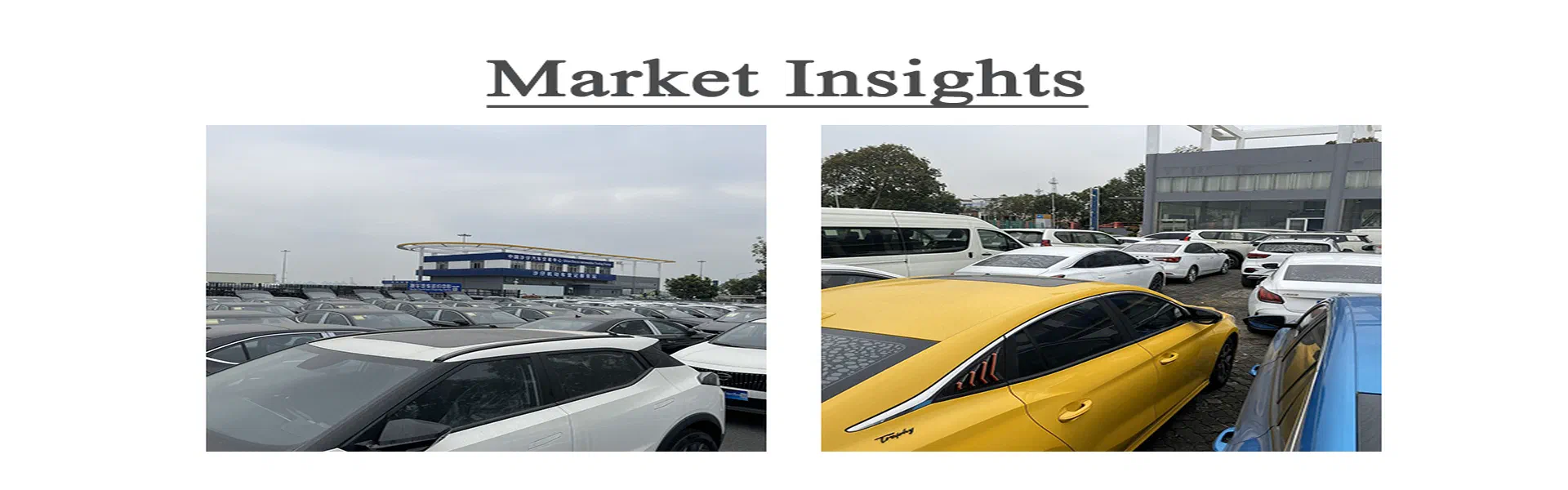
Port handling starts before the vehicle arrives. The exporter or agent submits cargo details, confirms the booking, completes export customs clearance, and delivers the vehicle to the departure terminal within the carrier’s cut-off period. At the port, staff record the vehicle condition, verify the VIN, and arrange either RoRo acceptance or container stuffing and lashing. After sailing, the bill of lading supports tracking and destination clearance. On arrival in Ghana, Nigeria, Kenya, Uganda, or Tanzania, the consignee normally works with a local customs broker to settle applicable charges, meet inspection procedures, and arrange release.
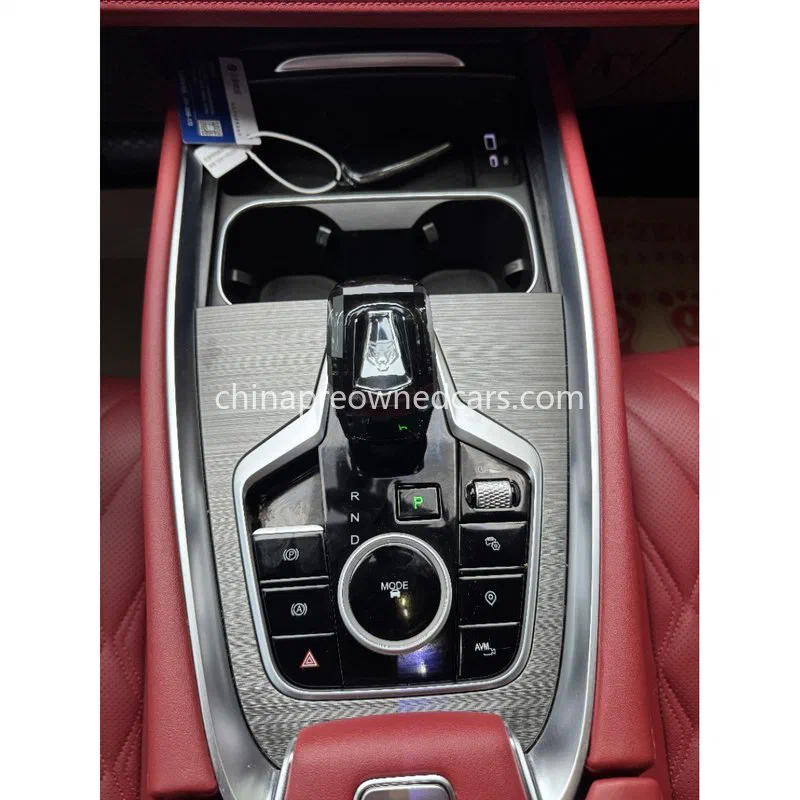
Typical lead time has several separate parts: sourcing and inspection, document preparation, customs processing, terminal acceptance, vessel scheduling, ocean transit, and destination release. Inspection and export preparation may take several working days when documents are complete, while the sailing schedule and port congestion can extend the total period. A quoted transit estimate is not the same as a delivery guarantee. Payment terms should identify the deposit stage, balance trigger, inspection approval, shipping document release, bank charges, and treatment of delays or condition discrepancies.
Before purchase, the importer should confirm current rules on vehicle age, emission standard, drive side, roadworthiness, registration, battery transport, and charging equipment. These requirements change and may differ between Ghana, Nigeria, Kenya, Uganda, and Tanzania. The landed-cost calculation should include the vehicle, inland transport in China, inspection, export handling, freight, insurance if selected, destination port fees, customs charges, taxes, broker fees, and local registration. After-sales support is strongest when the exporter supplies diagnostic records, manuals, parts information, and a clear process for reporting transport damage. That preparation matters more than a low headline price.
FAQ
Q: What does the pre-shipment inspection certificate confirm?
A: It records the vehicle identity and inspection findings required for export processing. It does not guarantee future condition, and the destination country may require additional documents or checks.
Q: Is RoRo or container shipping better for a used SUV?
A: RoRo often fits running vehicles on an available service, while a container can suit non-running vehicles or shipments needing enclosed loading. The decision depends on freight availability, handling charges, vehicle size, and the acceptable damage risk.
Q: Can all Chinese used SUVs be imported into these markets?
A: No. Each market sets its own rules on age, emissions, drive side, roadworthiness, and registration. Confirm the current requirements with the destination customs authority or a licensed local broker before purchase.