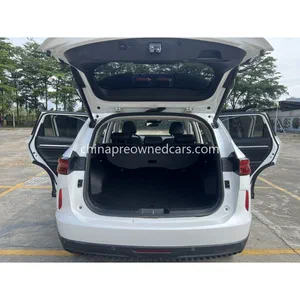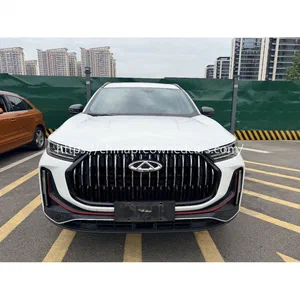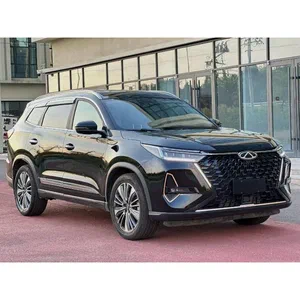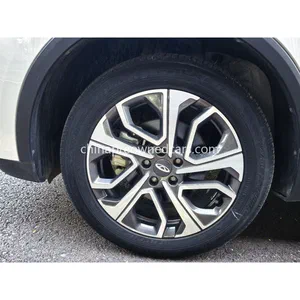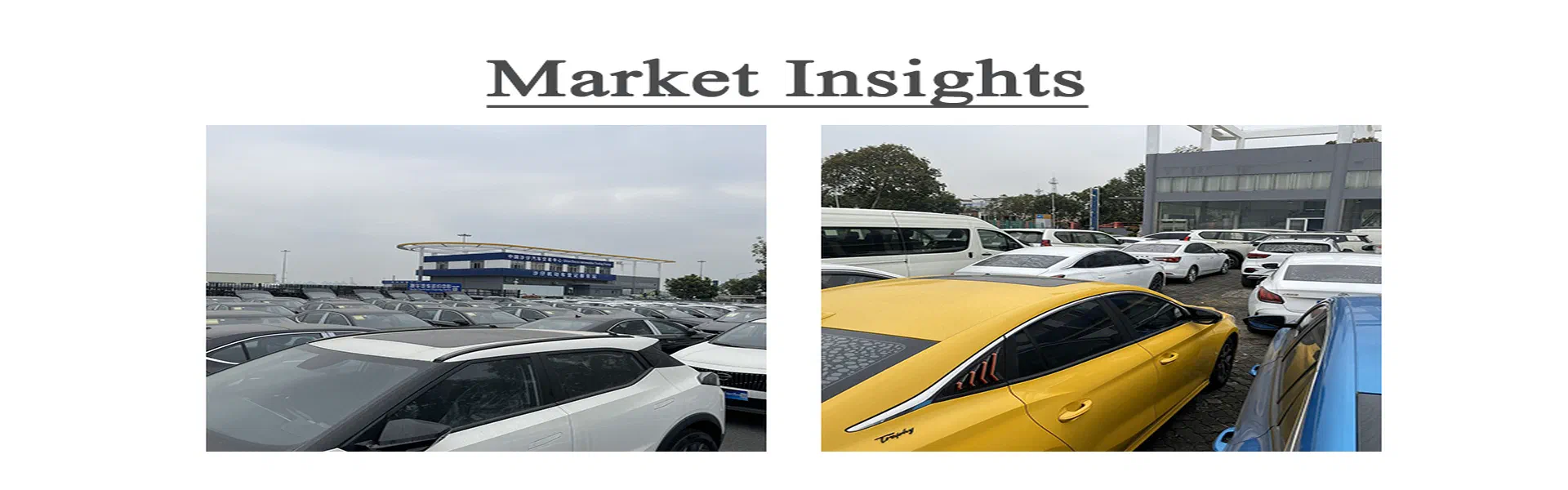
Chinese used vehicle exports from China to West Africa involve more than vehicle selection. This article covers the workflow from vehicle inspection and export documentation to shipping methods and port handling, while reviewing demand patterns for Chinese SUVs in Ghana, Nigeria, Kenya, Uganda, and Tanzania.
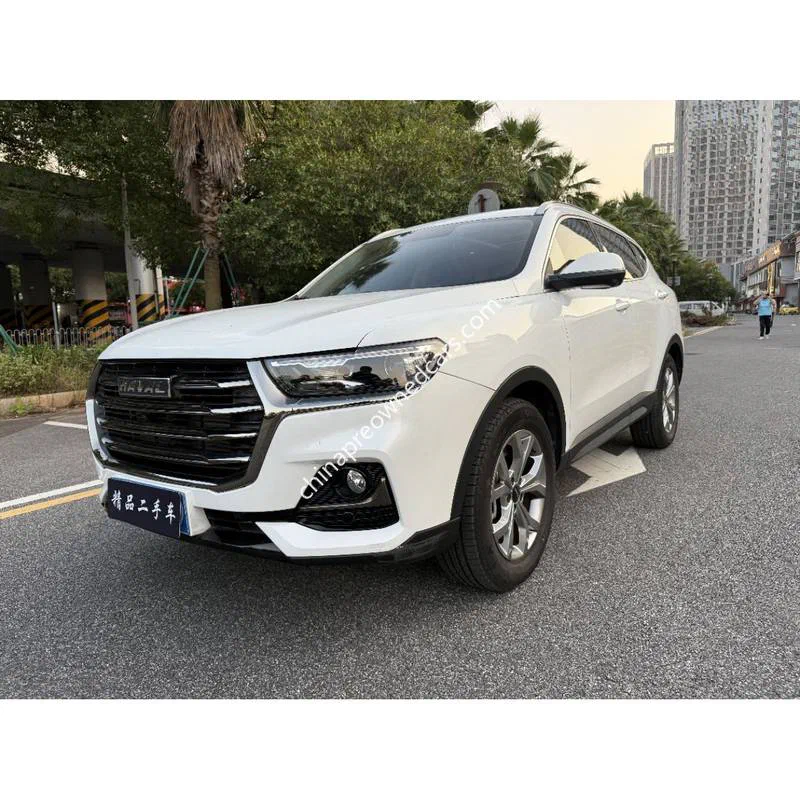
Chinese-brand SUVs are gaining attention in these markets because buyers are comparing purchase cost, equipment levels, and maintenance practicality against established European and Japanese used vehicles. Models such as BYD Atto 3, Chery Tiggo 7 Plus, Chery Tiggo 8 Pro, Geely Coolray, and Haval H6 are being considered by importers looking for newer vehicle platforms, including electric and hybrid options. Search activity around used cars price list often reflects this shift, as buyers compare available specifications before making sourcing decisions.
Export workflow from vehicle selection to shipment

The export process starts with sourcing from China’s domestic used vehicle market and checking whether a vehicle fits the destination market. A pre-shipment inspection normally reviews the VIN, exterior condition, interior function, powertrain operation, safety systems, service records where available, and for electric vehicles, battery condition indicators such as battery state of health. The inspection process and required documents depend on export procedures and destination requirements.
After inspection approval, exporters prepare documentation for customs declaration and shipment. Common export documents include the vehicle purchase records, export-related paperwork, bill of lading after shipment, and certificate of origin where required. Export licensing, customs clearance procedures, and compliance documents must be completed before the vehicle leaves China. Buyers should confirm which documents their local authorities require before finalizing a purchase.
Shipping method affects cost structure, handling risk, and preparation requirements. RoRo shipping is commonly used for vehicles that can be driven onto the vessel, offering a practical option for certain routes. Container shipping provides additional protection and can suit buyers shipping selected vehicles or combining cargo, but it requires more loading preparation. The choice depends on destination port conditions, available routes, vehicle type, and the buyer’s priorities.
Market factors affecting Chinese used SUV demand
West African importers are showing interest in SUVs because they match local driving conditions and family transport needs. Fuel vehicles such as Haval H6, Geely Coolray, Chery Tiggo 7 Plus, and Chery Tiggo 8 Pro remain relevant where charging access is developing gradually. Electric models like BYD Atto 3 attract attention from buyers evaluating lower running costs, but battery condition checks and charging availability remain important parts of the buying decision.
Chinese used vehicles compete with European and Japanese alternatives through equipment levels and newer model availability. Buyers increasingly review technology features, maintenance support, spare parts access, and resale expectations rather than focusing only on purchase cost. For markets including Ghana, Nigeria, Kenya, Uganda, and Tanzania, preferences can vary based on local road conditions, fuel availability, import rules, and consumer demand.
Before shipment, port handling requires coordination between the exporter, shipping company, and destination-side importer. Vehicles must be prepared according to shipping requirements, whether they are loaded into containers or transferred through RoRo operations. Typical shipping lead times vary by route, vessel schedule, port procedures, and customs processing. Importers should plan for local clearance time after arrival rather than considering ocean transport alone.
Destination regulations remain a key consideration. Most Chinese domestic vehicles are left-hand drive, which suits many markets but may not fit countries with right-hand-drive requirements unless vehicles are specifically sourced. Import rules can differ by country regarding vehicle age, emission standards, roadworthiness checks, and electric vehicle requirements. Buyers should confirm current regulations with local authorities before purchase.
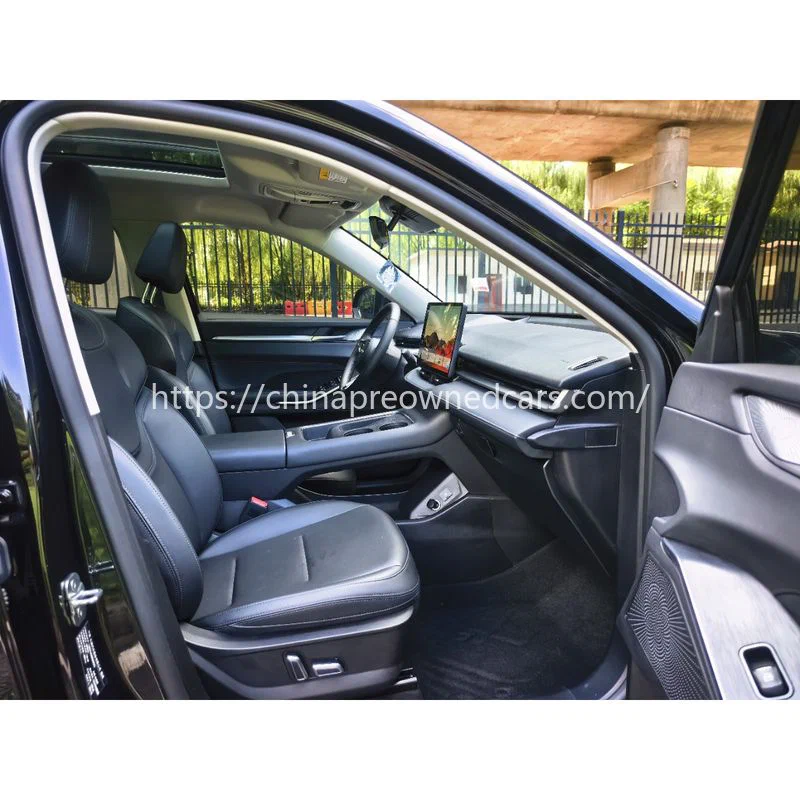
A careful sourcing process reduces uncertainty in cross-border used vehicle trade. Buyers should review inspection records, verify VIN information, understand payment terms, and confirm after-sales support arrangements before shipment. For electric vehicles, battery health records and transport considerations require additional attention compared with combustion vehicles. The final purchase decision should be based on verified vehicle information and destination requirements.
FAQ
Q: What documents are usually needed for exporting used cars from China?
A: Export documentation commonly includes customs declaration materials, shipping documents such as the bill of lading, and certificate of origin where required. Exact requirements depend on the destination market.
Q: Is RoRo or container shipping better for used vehicles?
A: RoRo can be suitable for standard vehicle transport, while containers may provide more control over cargo protection. The better option depends on route availability, vehicle type, and shipping conditions.
Q: What should buyers check before importing Chinese used SUVs?
A: Buyers should verify VIN information, inspection results, vehicle condition records, and destination import requirements. Electric vehicles also require attention to battery health information.