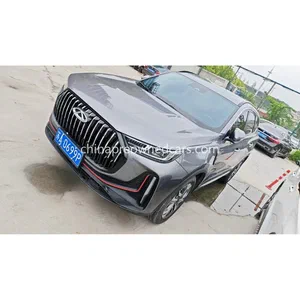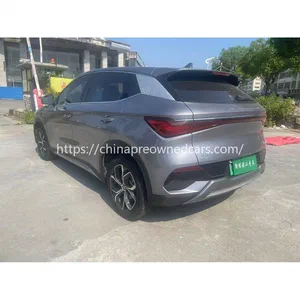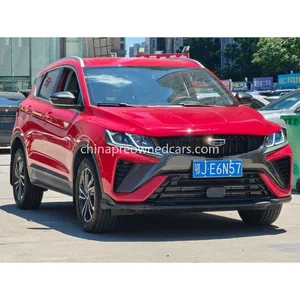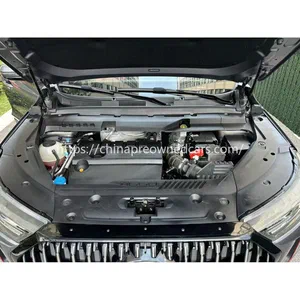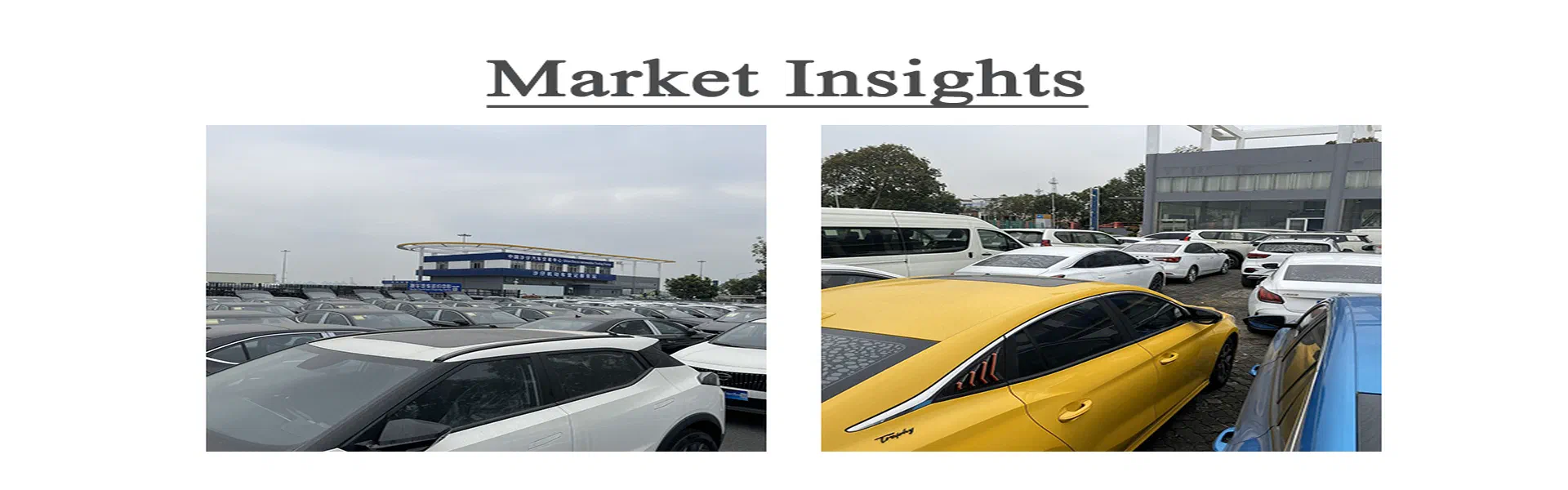
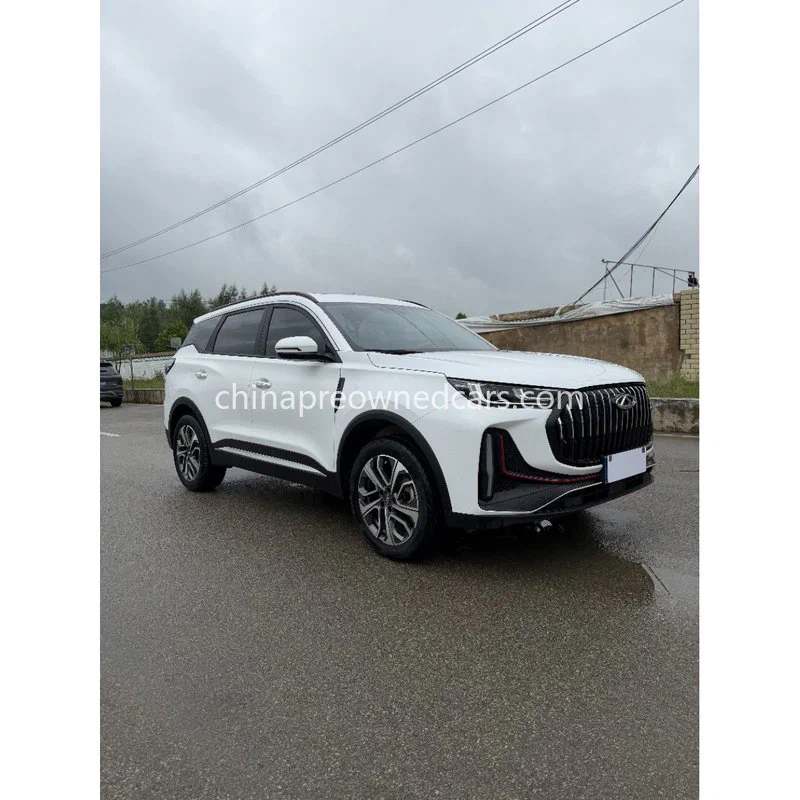
The lowest-priced used vehicle is not always the least expensive option after inspection, repairs and shipping are taken into account. For buyers sourcing Chinese SUVs for Ghana, Nigeria, Kenya, Uganda and Tanzania, vehicle condition is a major factor in determining the real purchase cost. A structured quality assessment helps distinguish a genuinely economical vehicle from one carrying hidden mechanical or electrical problems.
Used vehicle pricing in West Africa reflects more than the model year and advertised mileage. Buyers often compare Chinese brands with established European and Japanese alternatives, weighing purchase price against maintenance requirements, parts availability and expected service life. Chinese models such as the BYD Atto 3, Chery Tiggo 7 Plus, Chery Tiggo 8 Pro, Geely Coolray and Haval H6 occupy different positions in the market. Their appeal depends partly on equipment levels and powertrain options, but condition remains central to the purchasing decision. A buyer searching for a used car cheapest price should compare vehicles within similar condition categories rather than treating the lowest listing as the best deal. In Ghana and Nigeria, buyers may prioritize purchase affordability and access to replacement parts. Kenyan, Ugandan and Tanzanian importers also need to consider local servicing capacity, road conditions and vehicle specifications. Chinese SUVs can offer competitive equipment for their price, while Japanese and European alternatives may have more established independent repair networks in some markets. These differences influence resale expectations and the acceptable purchase price.

A useful condition assessment separates cosmetic appearance from mechanical health. Cosmetic grading normally considers paint scratches, dents, interior wear, damaged trim, glass condition and signs of previous body repairs. Mechanical assessment covers the engine, transmission, suspension, steering, braking system, cooling system and electrical components. For electric and hybrid vehicles, the inspection should also address charging equipment, warning indicators, battery-related diagnostic information and the operation of the electric drive system. Mileage is another grading factor, but it should be assessed in bands rather than treated as proof of condition. A lower-mileage vehicle may have experienced poor maintenance or long periods without use. Conversely, a higher-mileage vehicle with documented servicing may present a more predictable purchase. Service records, where available, should be checked against maintenance dates, recorded mileage and vehicle identification details. Buyers should also request photographs of the exterior, cabin, engine compartment, underbody and any visible damage. VIN verification can help establish that the vehicle being inspected matches the documentation. For the BYD Atto 3, battery state of health deserves particular attention because battery capacity and charging performance affect the vehicle’s practical value. A diagnostic reading is useful, but it should not be confused with a guarantee of future battery performance.
Export-grade and dealer-grade are commercial descriptions, not universal technical certifications. In practice, an export-grade vehicle should have undergone a documented inspection, with visible defects and identified mechanical issues disclosed before purchase. Dealer-grade may describe a vehicle selected for resale, but the term alone does not establish a particular inspection standard. Buyers should request the actual inspection checklist and distinguish between items tested, items visually assessed and items that could not be verified. A standard pre-shipment inspection can identify visible damage, check major operating systems and confirm vehicle identification details. It cannot guarantee future reliability, reveal every intermittent electrical fault or establish the complete accident and maintenance history. Red flags include inconsistent VIN markings, unexplained mileage differences, fresh paint covering possible structural repairs, fluid leaks, unusual transmission noise, warning lights and damaged wiring. For used EVs, unexplained battery diagnostic results or charging faults require further investigation. An independent assessment is advisable when the purchase value justifies it. The inspection report should identify defects rather than simply assign a grade. Buyers should also confirm whether any reported repair has been completed and request supporting evidence before approving the vehicle.
Condition findings should directly influence the negotiated price and export decision. A vehicle with minor cosmetic wear may remain commercially attractive, while structural damage or unresolved mechanical faults can make a low purchase price misleading. The final cost calculation should include inspection, export documentation, customs declaration, shipping and destination charges. Chinese used vehicle exports require the appropriate export licensing and pre-shipment procedures. Vehicles are shipped by RoRo or in containers, depending on vehicle dimensions, shipment arrangements and buyer requirements. Most Chinese domestic vehicles are left-hand drive, so importers in Ghana, Nigeria, Kenya, Uganda and Tanzania should confirm local registration and drive-side rules before committing. Vehicle age restrictions, emissions requirements and roadworthiness standards also vary and may change. For used EVs, battery condition and applicable transport requirements need separate confirmation. Before payment, buyers should agree on the vehicle identification number, inspection scope, disclosed defects, payment milestones and shipping responsibilities in writing. Documentation should include the relevant purchase and export records, with shipping documents provided as the shipment progresses. A clear condition report gives both parties a reference if a discrepancy arises before loading. It also helps importers compare Chinese SUVs with competing used vehicles on a more realistic landed-cost basis. The lowest purchase figure is only meaningful when the vehicle’s verified condition supports it.
FAQ
Q: Does the cheapest used car offer the best value for export?
A: Not necessarily. Repair costs, battery condition, shipping expenses and destination requirements can make a low-priced vehicle more expensive overall.
Q: What should buyers check before purchasing a used Chinese SUV?
A: Buyers should verify the VIN, mileage records, service history, mechanical condition, body repairs and diagnostic results. EV buyers should also request available battery state-of-health information.
Q: Does export-grade mean a vehicle is free from defects?
A: No. Export-grade is a commercial description rather than a universal certification. Buyers should review the actual inspection report and confirm which components were tested and which defects remain unresolved.