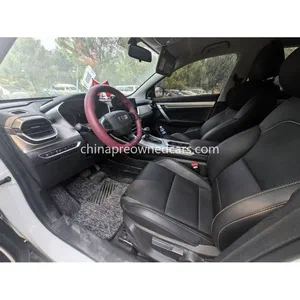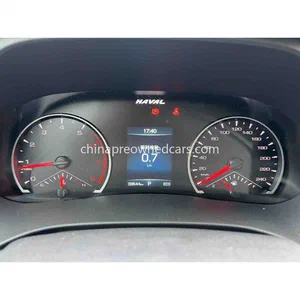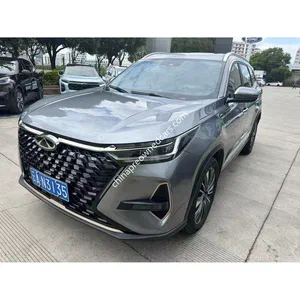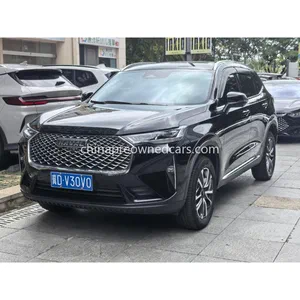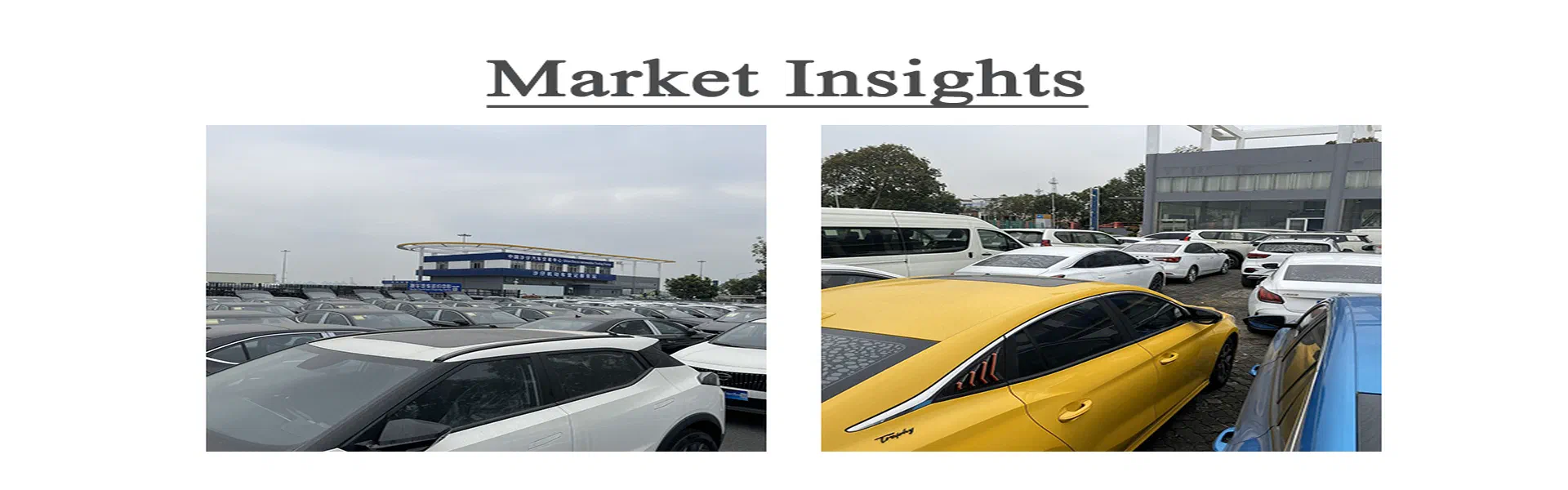
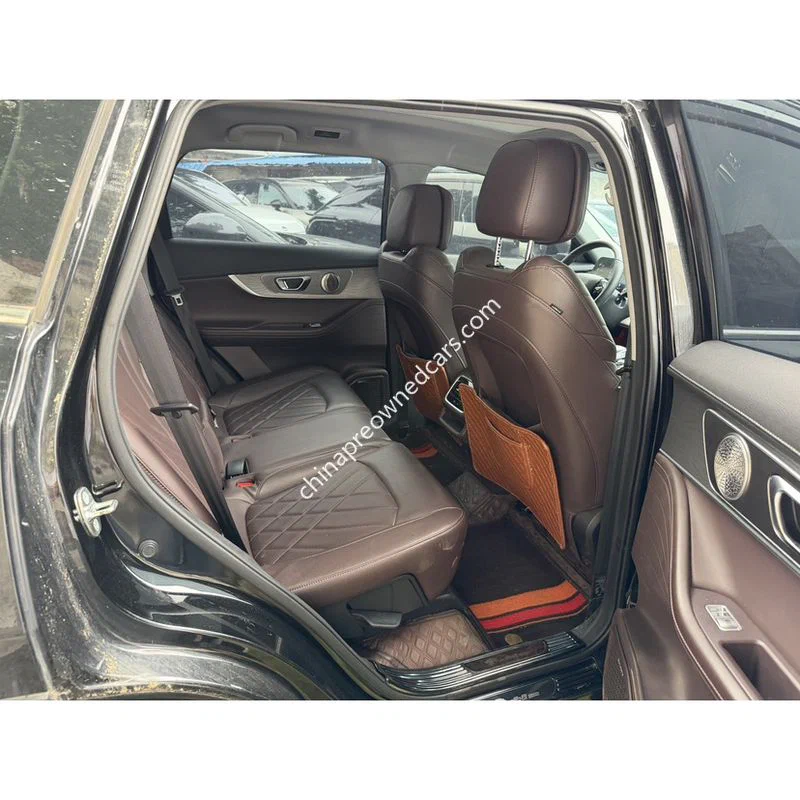
Evaluating the condition and history of 7-seater SUVs is crucial for buyers looking to import vehicles from China, especially as demand for these models grows in markets like Ghana, Nigeria, and Kenya. Buyers must understand how used vehicles are assessed to ensure their investment meets quality expectations. This article focuses on vehicle grading, inspection processes, and practical guidance for verifying claims about condition and history before purchase.
Used vehicles are typically graded based on their cosmetic condition, mechanical health, mileage, and service history. Cosmetic condition refers to the external and internal appearance of the vehicle, including any dents, scratches, or wear on upholstery. Mechanical health encompasses the functionality of key components such as the engine, transmission, and brakes. Mileage bands can indicate usage intensity, with lower mileage generally suggesting less wear. Service history provides insight into previous maintenance and repairs, which can be critical in assessing future reliability. Buyers should always request detailed service records and consider having an independent mechanic conduct a pre-purchase inspection.
Pre-shipment inspections are vital in the export process. They assess the vehicle’s condition and ensure compliance with both domestic regulations and those of the destination market. However, these inspections may not cover every aspect of the vehicle’s history, such as previous accidents or undisclosed repairs. Buyers should be aware that “export-grade” or “dealer-grade” vehicles usually meet a certain standard suitable for resale but do not guarantee perfection. Verifying the vehicle’s history through VIN checks or similar services is important to uncover any potential red flags.
One significant area of concern when evaluating used vehicles is the condition red flags that buyers should watch for. Signs of major repairs, such as mismatched paint or inconsistent panel gaps, might indicate past accidents that could affect the vehicle’s integrity. Additionally, unusual engine noises or warning lights during a test drive should raise concerns about the vehicle’s operational health. Buyers should also consider the age and emission standards applicable in their market, as these factors can impact import eligibility and future registration.
In terms of market trends, Chinese 7-seater SUVs such as the BYD Atto 3 and Chery Tiggo 8 Pro have gained traction in the African used car market, often positioned competitively against European and Japanese alternatives. These vehicles are generally more affordable and come with modern features, appealing to budget-conscious buyers. The increasing availability of electric and hybrid SUVs in the Chinese market aligns with global sustainability trends, which are also evident in the growing demand for environmentally friendly vehicles in regions such as Kenya and Nigeria.
Buyers should be mindful of practical guidance when considering 7-seater used cars for sale. Payment terms can vary significantly, and understanding the exporter’s policies regarding deposits and balances is essential. Shipping lead times for RoRo (Roll-on/Roll-off) or container shipping can also influence the purchasing decision, typically ranging from 15 to 30 days. After-sales support is another key consideration; having access to local service centers or parts suppliers can enhance the ownership experience and provide peace of mind.

FAQ
Q: What should I check before purchasing a used SUV?
A: Inspect the vehicle’s cosmetic condition, request service history, and conduct a mechanical inspection to assess its overall health.
Q: How can I verify the vehicle’s history?
A: Use VIN checks and request detailed reports to uncover any accidents, repairs, or title issues that may not be disclosed by the seller.