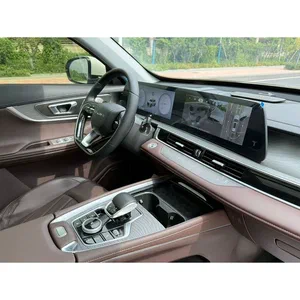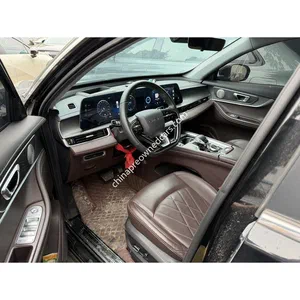
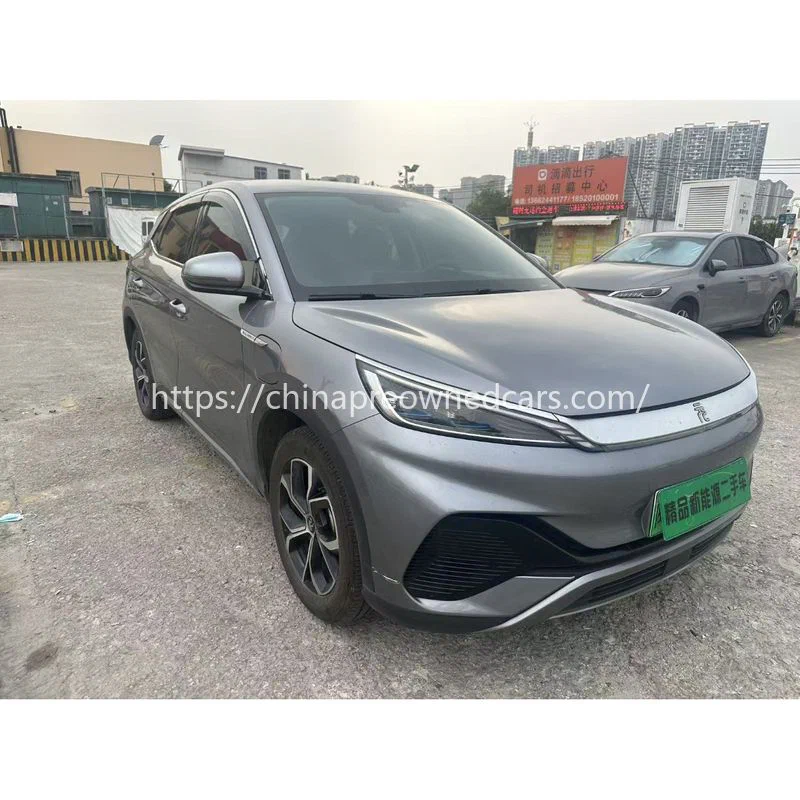
Chinese-brand electric and hybrid SUVs are increasingly appealing for markets in Africa, the Middle East, and South America. This article compares key vehicle features and specifications to assist buyers in making informed decisions about which models best fit their needs. It also covers essential export procedures and market-specific requirements.
Vehicle Comparison

When selecting an electric or hybrid SUV, the powertrain significantly impacts performance and suitability for different markets. The BYD Atto 3 features a fully electric drivetrain with an impressive range, making it ideal for urban settings where charging infrastructure is developing rapidly. In contrast, the Chery Tiggo 7 Plus and Chery Tiggo 8 Pro offer hybrid options that combine fuel efficiency with the flexibility of gasoline engines, benefiting regions where electric charging may not be widely accessible yet. Buyers should consider their regions’ existing infrastructure when evaluating range and refueling options.
Fuel consumption and emission standards are critical factors as well. Many African countries are adopting stricter emission regulations, and models like the Geely Coolray provide competitive fuel economy, which may help buyers comply with local standards. It is important to verify the specific emission requirements of the destination market, as these can vary significantly. While most of the Chinese inventory is left-hand drive, potential buyers in countries with right-hand drive requirements should confirm compatibility.
Export Procedures and Documentation
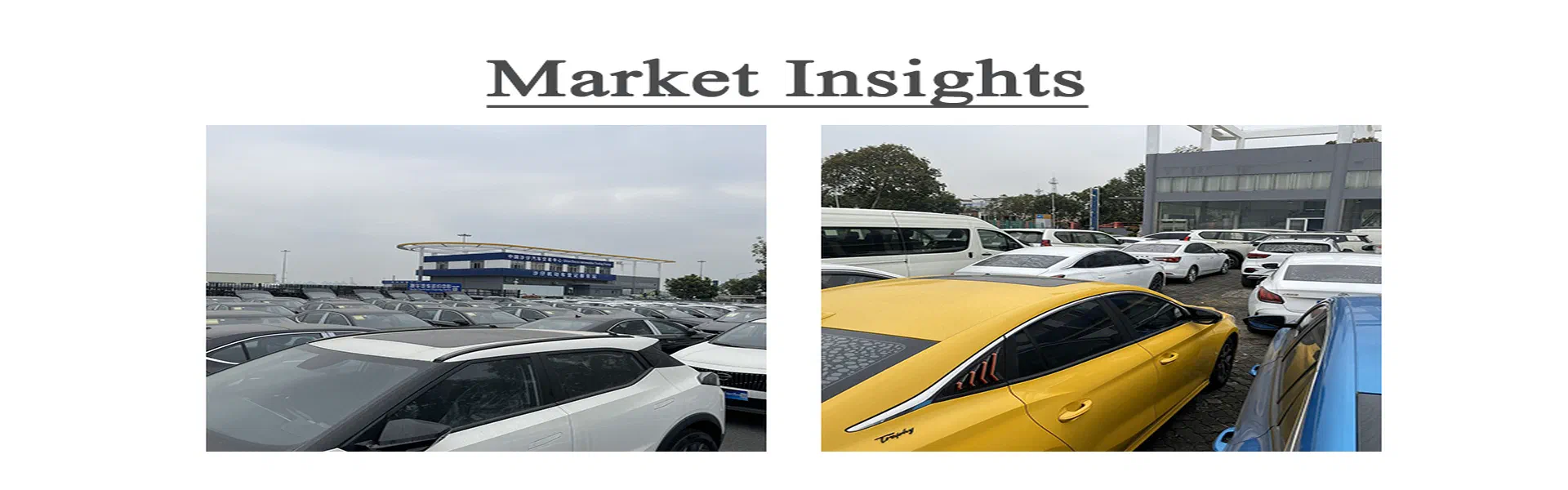
Exporting vehicles from China involves several steps, including customs clearance and compliance with export documentation. Pre-shipment inspections are essential to ensure that vehicles meet the necessary quality standards before departure. Buyers should also be aware of the shipping methods available: Roll-on/Roll-off (RoRo) is often more economical, while container shipping provides greater protection during transit. Each method has its pros and cons, so assessing the trade-offs is advisable.
Documentation is also crucial for smooth customs clearance. Required documents typically include the export license, bill of lading, and customs declaration. Ensuring that all paperwork is correctly filled out can prevent delays at the port. Buyers should consult with their exporters to understand the specific documentation needed for their country.
Market-Specific Requirements
Market preferences are also shifting, with an increasing focus on fuel-efficient and environmentally friendly vehicles. In countries like Ghana, Nigeria, and Kenya, the demand for electric and hybrid SUVs is rising. Buyers should be aware that import regulations may impose age limits on vehicles, restrict certain models, or require compliance with local safety standards. Checking the latest requirements for each market is essential to avoid compliance issues.
Moreover, after-sales support and parts availability for the chosen model can influence long-term ownership satisfaction. Chinese brands are beginning to establish service networks in various regions, though the extent of support may vary. Ensuring that parts and service are accessible in the buyer’s market can mitigate future inconvenience.
FAQ
Q: What should I check before purchasing a used SUV?
A: Buyers should verify vehicle history, condition, and whether it meets local import regulations. A pre-purchase inspection is highly recommended.
Q: How long does shipping usually take for vehicles exported to Africa?
A: Shipping lead times generally range from 15 to 25 days, depending on the method chosen and the destination port.