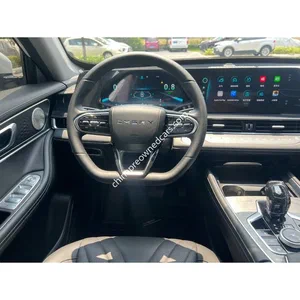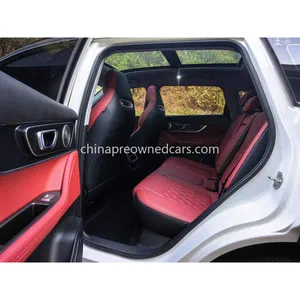
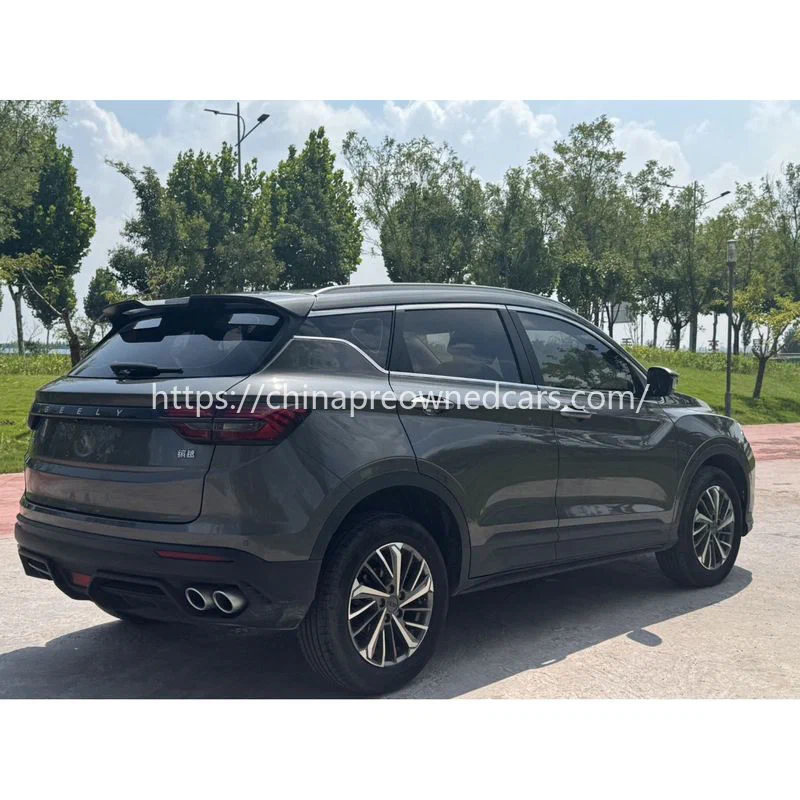
Chinese electric and hybrid SUVs are gaining traction in export markets such as Africa, the Middle East, and South America. This article compares key aspects of these vehicle types, focusing on models available for export, like the BYD Atto 3 and Chery Tiggo series. Understanding these differences can aid second hand car buying decisions, particularly regarding performance, compliance with local regulations, and post-sale support.
Electric vehicles (EVs) such as the BYD Atto 3 offer a different driving experience and lower operating costs compared to hybrid models like the Chery Tiggo 7 Plus and Chery Tiggo 8 Pro. The Atto 3, designed with a powerful electric motor, delivers a quieter, smoother ride and zero emissions, aligning well with increasingly strict emission standards in various markets. In contrast, hybrids combine internal combustion engines with electric power, providing greater range and versatility, especially in regions with limited charging infrastructure. Buyers should assess their local charging capabilities and vehicle range requirements when considering these options.
When analyzing suitability for export, left-hand drive (LHD) configurations dominate the inventory, as they cater to most African and Middle Eastern markets. Models such as the Geely Coolray and Haval H6 are also available, offering a mix of features and performance characteristics. Buyers in right-hand drive markets should seek specific models tailored to their needs. Emission standards vary considerably, with many African countries enforcing different regulations on vehicle age and emissions. Buyers must verify local rules to ensure compliance before finalizing a purchase.
Logistics play an essential role in the export process. All vehicles undergo pre-shipment inspections to ensure they meet quality and safety standards. Customs clearance procedures require careful documentation, including export licensing, and payment terms typically vary by buyer agreement. Shipping methods, such as RoRo (Roll-on/Roll-off) or container shipping, also influence delivery times and costs. Depending on the destination, shipping lead times can range from 15 to 25 days, making it crucial for buyers to plan ahead.

In the competitive landscape of the used vehicle market, Chinese brands are increasingly preferred due to their affordability and value proposition. Compared to European and Japanese alternatives, these vehicles often come at lower price points while still providing essential features and technology. As demand shifts towards greener options, electric and hybrid models are becoming more attractive to environmentally conscious consumers.
FAQ
Q: What should I check when buying a used electric or hybrid vehicle? A: Buyers should verify battery health, vehicle history, and compliance with local emission standards.
Q: How long does shipping typically take for exported vehicles? A: Shipping lead times can range from 15 to 25 days, depending on the method and destination.
Q: Are most Chinese vehicles left-hand drive? A: Yes, most of the inventory consists of left-hand drive vehicles suitable for markets in Africa and the Middle East.