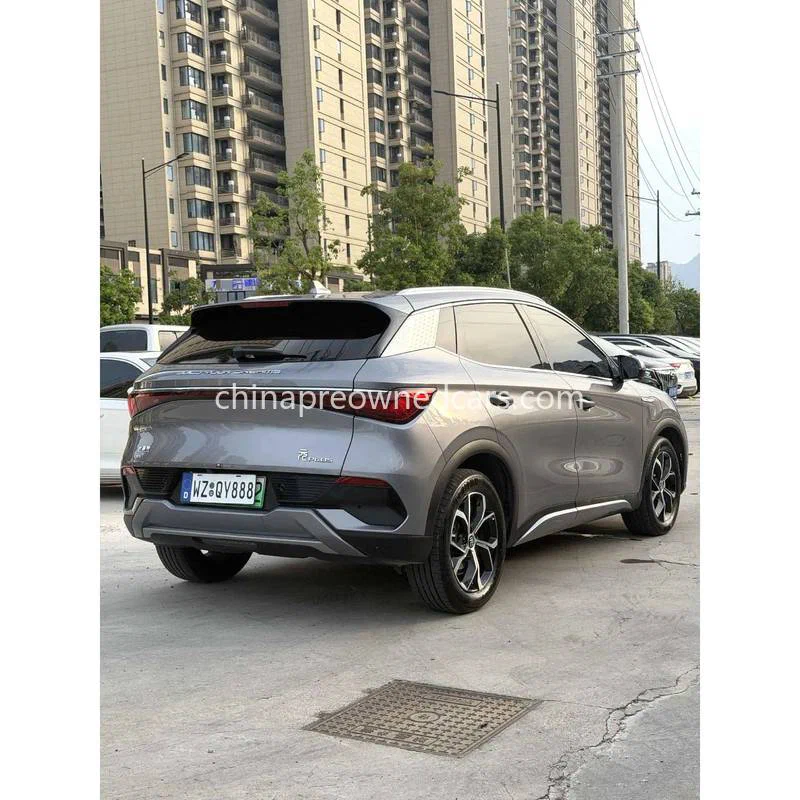
Choosing a used SUV for Ghana requires more than comparing purchase prices and equipment lists. Buyers need to assess left-hand-drive compatibility, import eligibility, road conditions, fuel or charging access, and the paperwork required to clear a vehicle through customs. For vehicles sourced from China, these checks should guide the selection before payment and shipping arrangements begin.
Matching an SUV to Ghana’s Driving Conditions
Ghana’s road network includes paved urban roads, busy intercity routes, and sections where potholes, uneven surfaces, or unpaved shoulders place greater demands on suspension and tyres. Buyers should assess ground clearance, tyre condition, suspension wear, braking performance, and underbody damage rather than relying on an SUV’s appearance. A vehicle suited to smooth city streets may need closer inspection before it is assigned to regular rural travel or heavily loaded journeys.
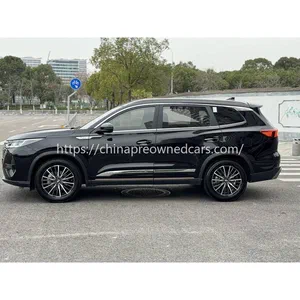
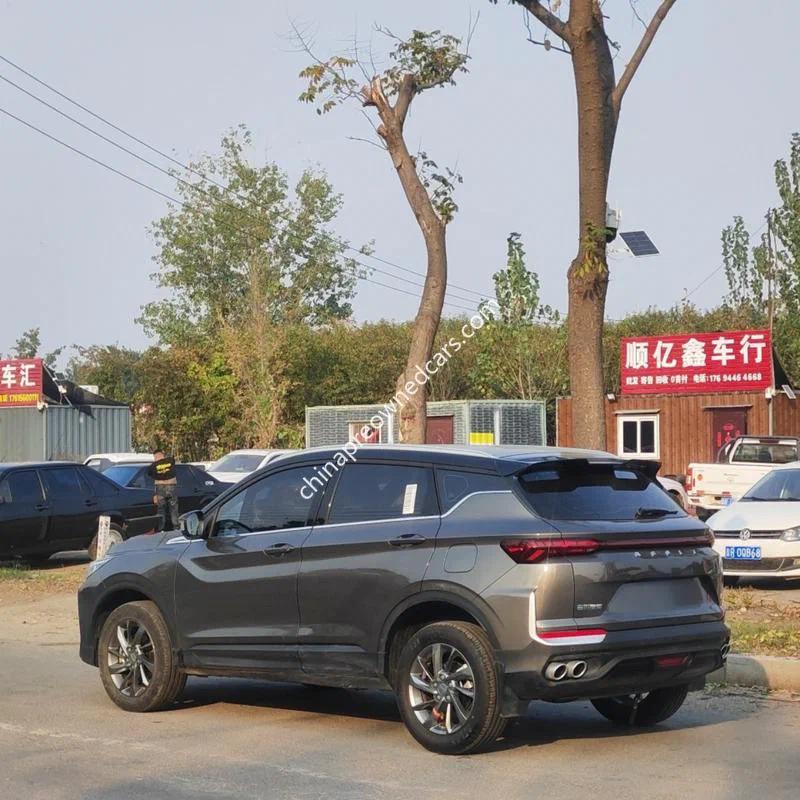
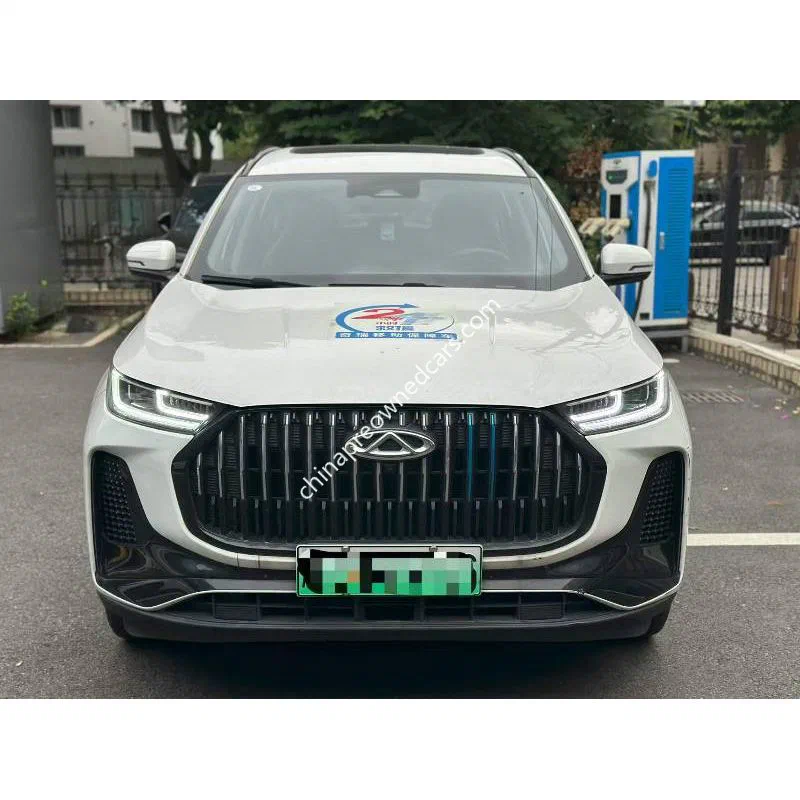
The BYD Atto 3, Chery Tiggo 7 Plus, Chery Tiggo 8 Pro, Geely Coolray, and Haval H6 offer different options for Ghanaian buyers. The Atto 3 is fully electric, making it relevant to operators with dependable charging access and predictable daily routes. The Tiggo 7 Plus and Geely Coolray suit buyers comparing compact-to-midsize SUV formats, while the Tiggo 8 Pro offers a larger vehicle layout for families or passenger transport. The Haval H6 is another midsize SUV option. Exact equipment, powertrain, and dimensions vary by model year and configuration, so buyers should confirm the specifications of the individual vehicle being offered.

Drive Side, Import Rules, and Vehicle Condition
Drive side is an early screening requirement. Ghana drives on the right, so left-hand-drive vehicles are generally aligned with its road layout. Most vehicles sourced from China’s domestic market are left-hand drive, but the steering position must still be confirmed from photographs and vehicle records before a purchase is agreed. Buyers should also verify that the specific model and configuration can be registered for road use in Ghana.
Import eligibility requires separate attention. Ghana’s current rules may address vehicle age, emissions, roadworthiness, customs valuation, duties, taxes, and required documentation. These requirements can change, and the treatment of a particular vehicle may depend on its classification and import circumstances. Before committing funds, the importer should confirm the current rules with Ghanaian customs or a qualified local clearing agent, including any restrictions that apply to older vehicles or particular emissions categories.
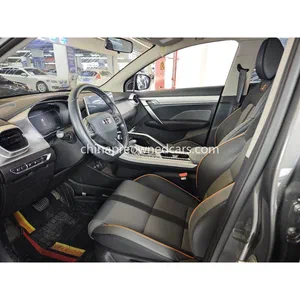
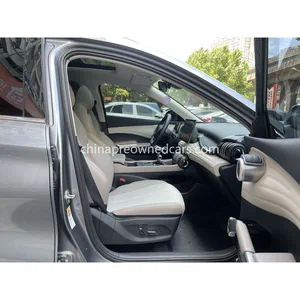
A listing on a used car for sale online platform is a starting point, not proof of suitability. Request the VIN, registration or ownership records available from the source, model year, odometer reading, service history where available, and clear photographs of the exterior, interior, tyres, engine bay, and underbody. An independent pre-shipment inspection should document visible damage, warning lights, mechanical concerns, and equipment operation. Mileage and condition should be assessed against the evidence; neither should be treated as guaranteed merely because a vehicle has been graded or inspected.
Fuel, Charging, Shipping, and Total Import Cost
Ghana’s climate and operating conditions also affect vehicle selection. Heat, seasonal rain, standing water, and humid conditions make cooling-system performance, air conditioning, tyre condition, electrical connections, and signs of corrosion worth checking. A combustion-engine SUV should be assessed for leaks, cooling performance, transmission behaviour, and maintenance needs. Buyers should also confirm the fuel type specified by the manufacturer and consider local fuel availability and servicing capability.
The BYD Atto 3 introduces a different set of questions. Its practical suitability depends on the battery’s measured state of health, usable capacity, charging compatibility, and access to reliable charging at the intended operating location. Buyers should request a battery diagnostic report where available and verify the charging connector and vehicle configuration. Public charging availability can vary by location, so a route-dependent business should map its charging options before selecting a fully electric vehicle. A petrol-powered SUV may offer more flexibility where charging is limited, although its fuel consumption and maintenance condition still require evaluation.
Export logistics affect the final landed cost. China-based exporters generally coordinate export licensing, customs declarations, pre-shipment inspection, documentation, and shipping arrangements. Vehicles may travel by roll-on/roll-off (RoRo), where they are driven onto and off the vessel, or inside a shipping container. The appropriate method depends on the vehicle, carrier availability, cargo arrangements, and the buyer’s requirements. Before payment, confirm what the quoted amount covers, including inland transport, export handling, freight, insurance if included, and destination charges that remain the buyer’s responsibility.
Documentation should be checked before dispatch. Depending on the transaction and applicable requirements, the file may include a commercial invoice, purchase contract, vehicle identification details, export and customs documents, inspection records, and shipping documents. The buyer or clearing agent should confirm which originals, copies, translations, or additional records Ghana requires for clearance and registration. Shipping schedules vary with vessel availability, routing, port congestion, and documentation readiness, so an estimated transit period should not be treated as a guaranteed arrival date.
For fleet buyers and dealers, the purchasing process should also define payment milestones, inspection access, document delivery, and responsibility for resolving discrepancies. Any deposit or balance payment should follow written terms that identify the vehicle by VIN and explain what happens if inspection findings differ materially from the agreed description. After-sales support should be discussed before purchase, particularly for electronic diagnostics, replacement parts, EV battery issues, and access to compatible service equipment. A lower initial purchase cost can be offset by repair delays or parts that are difficult to source locally.
FAQ
Q: Can a left-hand-drive SUV from China be imported into Ghana?
A: Left-hand-drive vehicles are generally compatible with Ghana’s right-hand traffic system, but import eligibility and registration depend on current Ghanaian requirements. Confirm the specific vehicle’s compliance before purchase.
Q: Is the BYD Atto 3 suitable for daily driving in Ghana?
A: It can suit drivers with dependable charging access and routes compatible with its verified battery condition and range. Check battery state of health, charging compatibility, and local service support before ordering.
Q: What documents should a buyer check before shipping a used SUV from China to Ghana?
A: Confirm the vehicle’s VIN and ownership records, purchase invoice or contract, applicable export and customs documents, inspection records, and shipping paperwork. A Ghanaian clearing agent should verify the current requirements for clearance and registration.