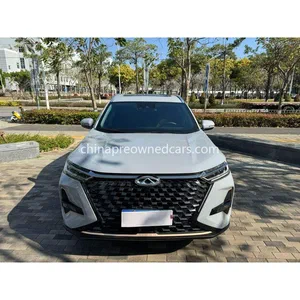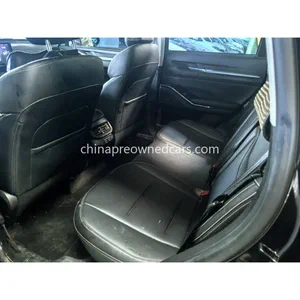
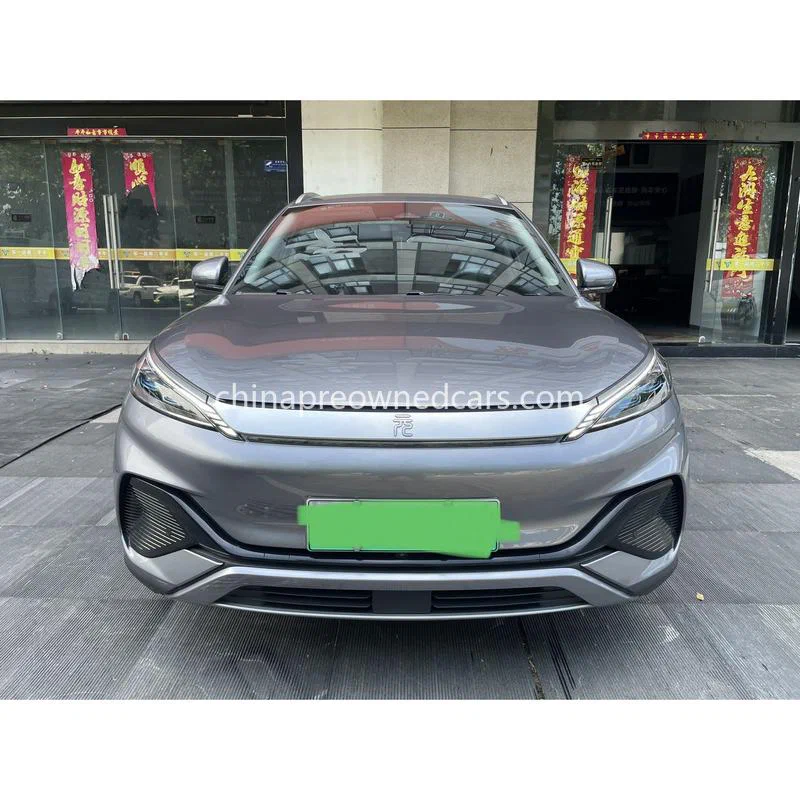
If you’re considering importing a used car from China into Ghana, Nigeria, or other African markets, getting the vehicle certified is a smart step. Certification ensures the car meets safety and performance standards, which is especially important when dealing with international imports.
Certification typically involves a thorough inspection of the car’s mechanical systems, mileage verification, and checking for accident history. While most exporters in China provide basic inspection reports, buyers can also request third-party certifications to validate the vehicle’s condition independently. Some agencies specialize in pre-export vehicle inspections for international buyers, offering detailed reports on engine performance, body condition, and service history.
When importing into Africa, remember that certification may affect your landed cost. For example, if the inspection uncovers issues requiring repair, this could increase your total cost of ownership. Additionally, import duties and customs fees are calculated based on the vehicle’s declared value, which includes certification and any additional services performed prior to shipment. These factors should be accounted for when budgeting for your purchase.

Shipping methods also play a role in certification. Cars shipped via roll-on/roll-off (RoRo) tend to undergo inspections at the port, but container shipping offers more security and might be a better option for higher-value vehicles. Ensure that all certifications are properly documented and accompany the vehicle during transit, as customs officials often require these papers upon arrival.
Ultimately, certification is an investment in peace of mind. By confirming that the car is in good condition before it leaves China, you can avoid unexpected repair costs and ensure the vehicle is ready for immediate use upon arrival in Africa.

FAQ
Q: Can certification help reduce import disputes at customs? A: Yes, having a certified inspection report can prevent issues with customs officials by validating the car’s condition and declared value.
Q: Are certification costs included in the CIF price? A: Typically, no. Certification costs are usually separate and need to be factored into your budget during procurement.

Q: Can I certify the car after it arrives in Africa? A: While possible, it’s better to certify it before shipment to avoid risks and extra costs post-arrival.