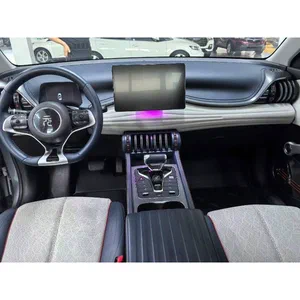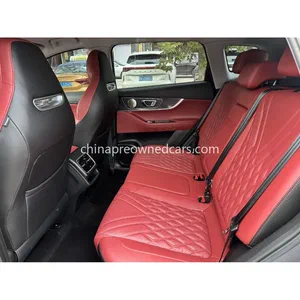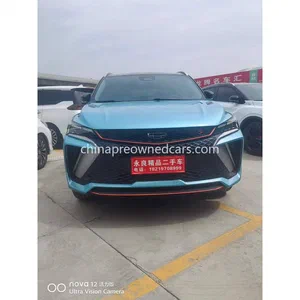
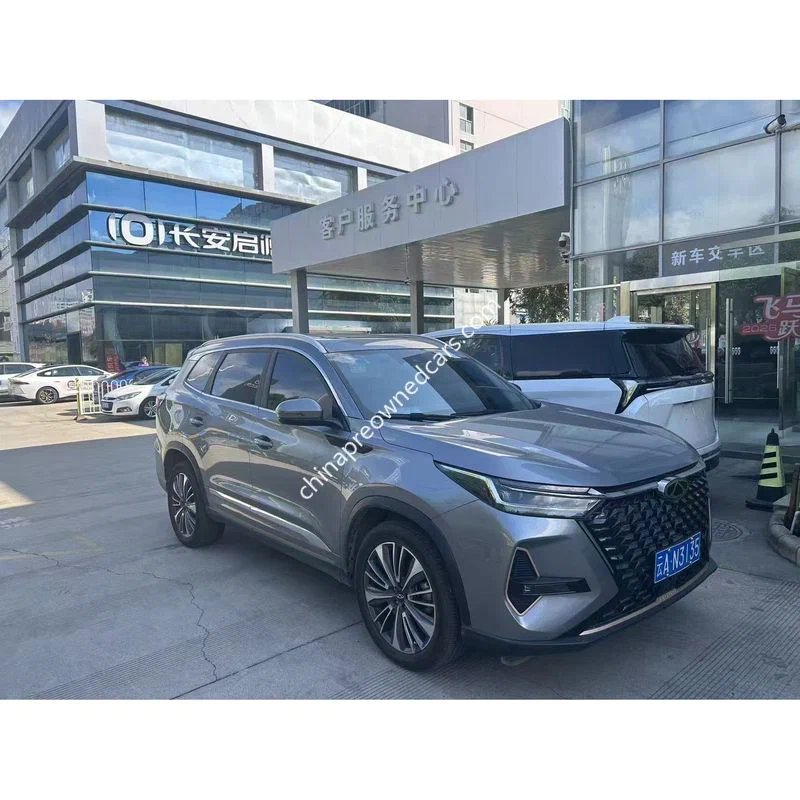
The BYD Atto 3 and Chinese hybrid SUVs serve different operating needs in overseas used vehicle markets. For importers supplying Ghana, Nigeria, Kenya, Uganda and Tanzania, the choice depends on charging access, fuel costs, vehicle condition, local service support and import eligibility. Comparing the Atto 3 with the Chery Tiggo 7 Plus, Chery Tiggo 8 Pro, Geely Coolray and Haval H6 helps buyers assess which powertrain and vehicle format suit their intended customers.
The BYD Atto 3 is a fully electric SUV, so it has no petrol engine, fuel tank or exhaust emissions during driving. Its operating range depends on battery capacity, battery health, driving speed, temperature, terrain and air-conditioning use. Buyers should request the exact battery specification and confirm the vehicle’s original rated range rather than relying on a general model description. A battery health assessment should include available state-of-health data, diagnostic fault codes, charging performance and evidence of unusual degradation. The inspection should also check the high-voltage system, charging port, cables and any warning messages. A pre-owned EV can offer lower routine powertrain maintenance, but battery repairs may require specialist equipment and trained technicians. The purchase decision therefore needs to account for local repair capability as well as the vehicle’s initial condition.

Hybrid SUVs provide a different compromise. The Chery Tiggo 7 Plus, Chery Tiggo 8 Pro, Geely Coolray and Haval H6 should be assessed according to the exact engine and powertrain version offered, since specifications can vary by model year and market. A conventional hybrid combines a combustion engine with electric assistance, while a plug-in hybrid can also charge from an external power source. These systems are not interchangeable. Buyers should confirm the specific configuration from the VIN, manufacturer documentation and vehicle inspection. Hybrid fuel consumption also varies with traffic, load, road conditions and driving style. Frequent stop-start journeys may favour a suitable hybrid, while sustained high-speed travel can reduce the relative benefit of electric assistance. For plug-in hybrids, the buyer must assess both charging access and fuel use when the battery is depleted. Service checks should cover the engine, transmission, hybrid battery and cooling systems.
Charging access is a commercial consideration, not simply a technical specification. An Atto 3 buyer should confirm the connector type, supported AC and DC charging arrangements, charging power and compatibility with equipment available in the destination market. The vehicle’s onboard charger and charging inlet must match the intended supply and connector arrangement; adapters should not be assumed to solve every compatibility issue. Public charging coverage may be concentrated in particular urban areas, while depot charging can make fleet operation more practical if the site has adequate electrical capacity. Importers should estimate daily distance, overnight parking arrangements and the cost of installing charging equipment before choosing an EV. Battery transport and shipping documentation also require attention, because lithium-ion batteries are subject to transport requirements that do not apply in the same way to conventional petrol vehicles. A hybrid may be easier to deploy where charging is limited, although its engine and electrical systems both require maintenance.
Fuel and emissions compliance need separate checks. The Atto 3 produces no tailpipe emissions in operation, but that does not automatically make it eligible for import or registration. Hybrid SUVs have combustion engines, so their emissions classification and supporting documents may affect eligibility under destination rules. Importers should verify the precise model year, engine specification, applicable emissions requirements and any required conformity or roadworthiness assessment before committing funds. Ghana, Nigeria, Kenya, Uganda and Tanzania each have their own vehicle import procedures, and rules may change. Vehicle age limits, inspection arrangements, tax treatment and documentation requirements should be confirmed with the relevant authorities or a qualified local clearing agent. A vehicle that meets the rules in one market may not qualify in another. The exporter can prepare the available vehicle records and shipping documents, but the buyer should independently confirm the current import conditions for the intended country and port.
Drive side can determine whether an otherwise suitable vehicle is commercially viable. Most Chinese domestic-market vehicles are left-hand drive, including many examples of the models considered here. Buyers supplying Ghana, Nigeria, Kenya, Uganda or Tanzania must establish whether the destination permits the specific left-hand-drive vehicle and under what conditions. Right-hand traffic does not mean right-hand-drive registration, and the two concepts should not be confused. A market’s road layout, registration rules and customer preferences are separate considerations. If a right-hand-drive vehicle is required, sourcing must be confirmed specifically rather than assumed from the model name. Parts support deserves similar attention. Before selecting an Atto 3, check access to compatible diagnostic equipment, battery specialists, charging components and high-voltage safety training. For hybrid models, verify the availability of engine parts, transmission components and hybrid-system expertise. Ask local distributors or repair workshops about actual parts lead times and whether software or diagnostic access is restricted. These checks help estimate downtime and total ownership costs.
Vehicle condition and export preparation should be assessed before payment. A useful inspection record includes exterior damage, structural repairs, tyre wear, suspension, brakes, cabin equipment, diagnostic results and evidence of previous repairs. Buyers should compare the odometer reading with available service records and electronic data where accessible; mileage alone does not establish condition. For EVs and hybrids, request powertrain-specific checks rather than accepting a general mechanical report. VIN verification helps confirm vehicle identity and compare the available specifications and history, although records may not reveal every past incident. Chinapreownedcars.com sources pre-owned vehicles from China’s domestic market and handles export logistics, pre-shipment inspection, documentation and shipping arrangements. Buyers should agree in writing on the inspection scope, payment milestones, document package, responsibility for destination charges and procedure for handling discrepancies. Search phrases such as for sale used cars by owner may help identify private-sale listings, but an individual seller’s description is not a substitute for independent verification or export readiness.
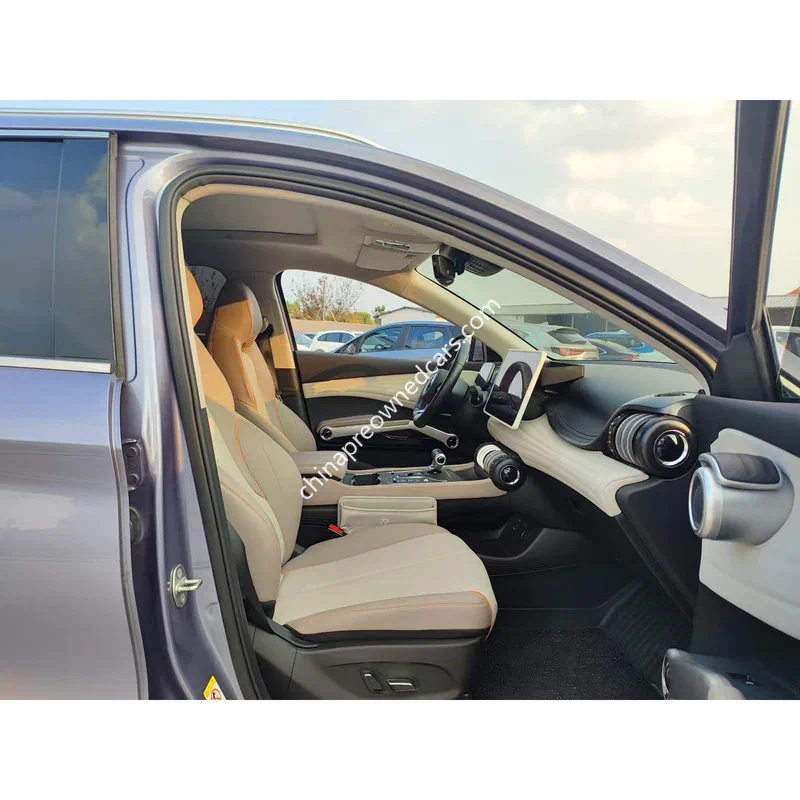
Shipping method affects loading arrangements, cost structure and vehicle handling. Roll-on/roll-off shipping allows suitable vehicles to be driven onto and off a vessel, subject to carrier and port acceptance. Container shipping places the vehicle inside a container and may offer different handling or consolidation options, depending on the shipment. The choice depends on vehicle dimensions, carrier schedules, route availability, cargo requirements and the buyer’s budget. Neither method removes the need for export licensing, customs declaration or required pre-shipment inspection in China. The export documentation package should be agreed before dispatch and may include the commercial invoice, sales contract, vehicle identification details, export and customs records, shipping documents and inspection paperwork where applicable. Transit time varies with the sailing schedule, transshipment, port congestion and customs processing, so a quoted estimate should not be treated as a guaranteed arrival date. Before releasing final payment, both parties should understand the agreed inspection evidence, shipping booking status and conditions for document release. After-sales support should also be defined in practical terms, including access to technical information, assistance identifying parts and the process for reporting a discrepancy after arrival.
FAQ
Q: Is the BYD Atto 3 a better export choice than a hybrid SUV?
A: The Atto 3 may suit buyers with dependable charging access and the ability to service electric vehicles locally. A hybrid SUV may be more practical where charging is limited or long-distance operations depend on conventional refuelling.
Q: What should importers verify before shipping a used SUV from China?
A: Confirm the vehicle’s identity, condition, powertrain specification, applicable import rules, drive-side eligibility and inspection requirements. Agree on export documentation, payment milestones and shipping arrangements before authorising dispatch.