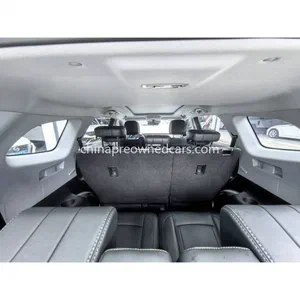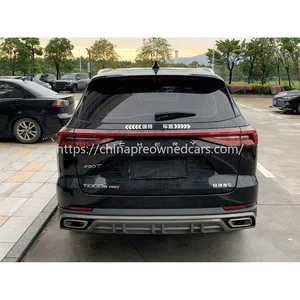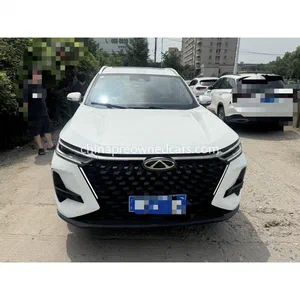
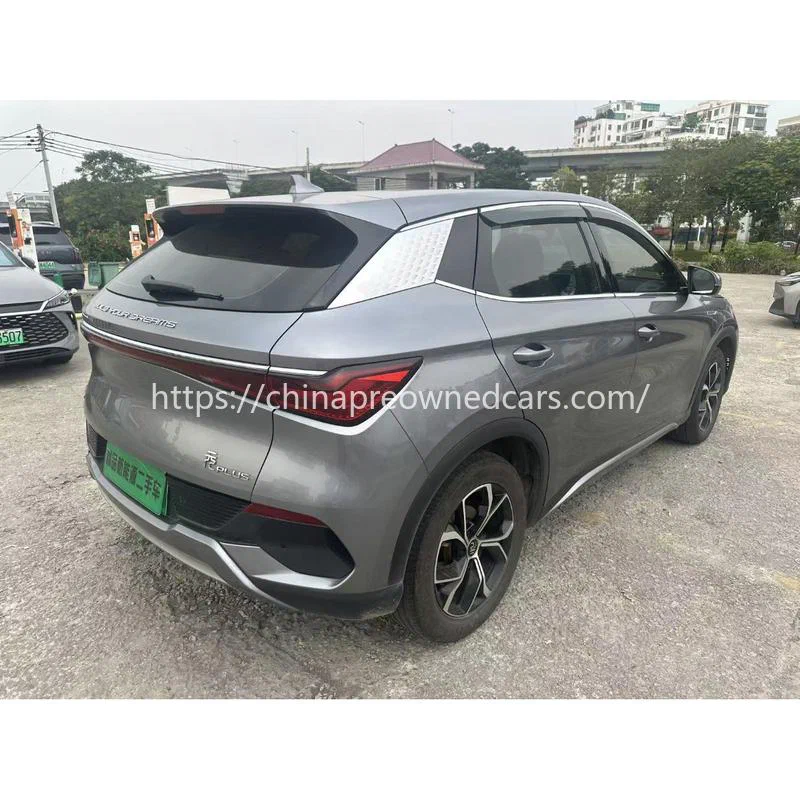
BYD Atto 3 and Chery Tiggo 7 Plus appeal to different export buyers even though both compete in the compact SUV segment. This comparison focuses on the technical differences that influence import planning, operating costs, and long-term fleet suitability for African markets rather than headline features alone. It also explains how export procedures affect purchasing decisions.
The largest difference is the powertrain. The BYD Atto 3 is a battery electric SUV, while the Chery Tiggo 7 Plus available through this export channel is a petrol-powered model. That distinction changes more than daily operating costs. Battery range, charging equipment, battery state of health, and transport requirements all become part of the purchase process for the Atto 3. The Tiggo 7 Plus instead depends on conventional fuel availability and routine engine maintenance. Buyers comparing good websites to find used cars should also compare inspection standards rather than focusing only on specifications. For a used EV, battery condition deserves the same attention that engine performance and service history receive on a combustion vehicle. Neither mileage nor battery health should be assumed without supporting inspection records and verification.
Technical factors that affect export decisions
Charging infrastructure is one of the main considerations for the BYD Atto 3. Urban areas in Ghana, Nigeria, Kenya, Uganda, and Tanzania continue to expand charging availability, but coverage differs between cities and regions. Fleet operators with predictable routes may find an electric SUV practical, while buyers serving remote areas often prefer the flexibility of a petrol vehicle such as the Chery Tiggo 7 Plus. Replacement parts also follow different supply chains. Mechanical service for petrol SUVs is familiar in many markets, whereas EV maintenance may require technicians trained to work with high-voltage systems. Neither approach is universally better. The intended operating environment usually determines which platform offers the better fit. Since most vehicles sourced from China’s domestic market are left-hand drive, importers should also confirm that the destination market accepts left-hand-drive vehicles before placing an order.
Vehicle compliance should be checked before shipment rather than after arrival. Import rules may include requirements covering vehicle age, emission standards, roadworthiness, and documentation, and these conditions vary between destination markets. Requirements can also change over time. Exporters in China complete export licensing, customs declaration, and pre-shipment inspection before dispatch. Vehicles are then transported either by RoRo vessel or inside shipping containers, depending on the shipment plan and destination port. Used electric vehicles require additional attention because battery transport follows separate shipping procedures. Buyers should also verify the VIN, inspection findings, maintenance records where available, and any reported repairs before confirming payment. These checks reduce uncertainty regardless of whether the vehicle is electric or petrol.

Market demand and sourcing considerations
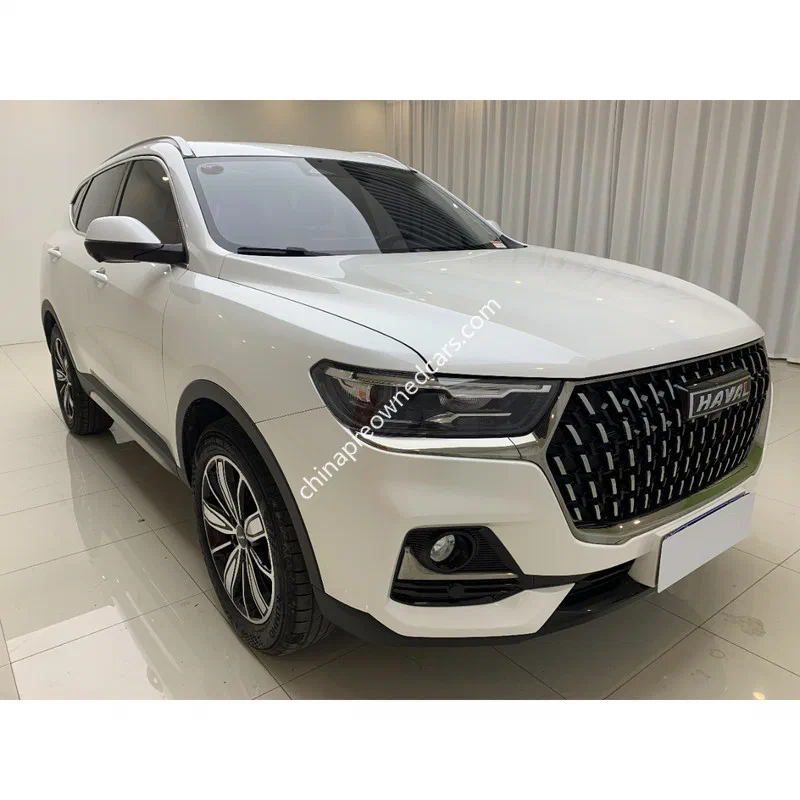
Demand patterns across West African markets continue to evolve. Interest in Chinese-brand SUVs has grown as buyers compare equipment levels with similarly priced European and Japanese used vehicles. The BYD Atto 3 attracts businesses exploring lower running costs where charging access supports regular operation. The Chery Tiggo 7 Plus remains attractive for buyers seeking familiar refuelling practices and broad serviceability. Other models in the same export portfolio, including the Chery Tiggo 8 Pro, Geely Coolray, and Haval H6, provide additional choices for buyers whose capacity or performance requirements differ. Market preferences are not identical across Ghana, Nigeria, Kenya, Uganda, and Tanzania, making local import conditions and operating patterns more important than a simple specification comparison.
Selecting the right exporter is as important as selecting the vehicle itself. Documentation should include the paperwork required for customs clearance in China together with the export documents requested by the destination market. Shipping schedules normally fall within a typical commercial range, although port congestion, vessel availability, and customs processing can extend transit times. Payment terms should be agreed before shipment begins, and buyers should understand which inspection reports will be provided before the vehicle leaves China. Those researching good websites to find used cars for international sourcing should compare the quality of export support as closely as the vehicle listings. A structured inspection process, accurate documentation, and practical after-sales communication often have greater value than the widest inventory.
FAQ
Q: Which model is better for areas with limited charging infrastructure? A: The Chery Tiggo 7 Plus is generally the simpler choice where charging facilities are limited because it uses a conventional petrol powertrain.

Q: What should be verified before importing a used BYD Atto 3? A: Battery state of health, VIN details, inspection results, shipping requirements, and destination import regulations should all be confirmed before purchase.
Q: How are these vehicles shipped from China? A: Used vehicles are typically exported by RoRo vessel or in containers after export licensing, customs declaration, and pre-shipment inspection are completed.