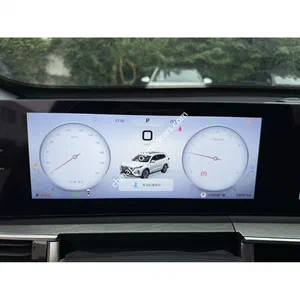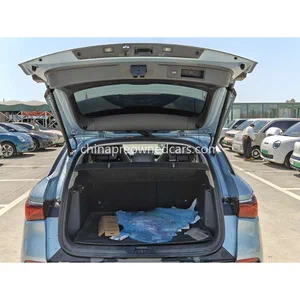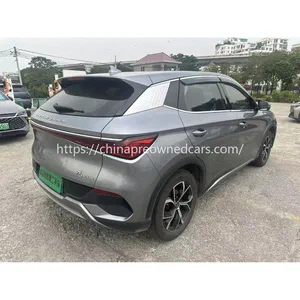
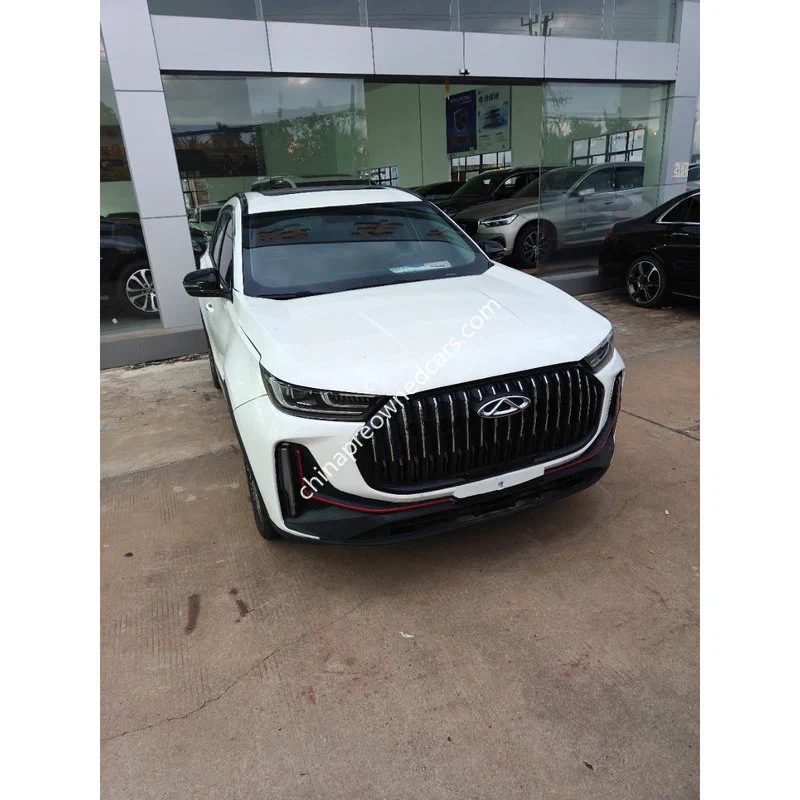
The BYD Atto 3 and Chery Tiggo 7 Plus represent two different purchasing decisions for buyers sourcing Chinese SUVs for export to West Africa. The Atto 3 is a battery-electric vehicle, while the Tiggo 7 Plus is available with combustion and electrified powertrain configurations depending on the version. Their differences affect operating costs, servicing requirements, import compatibility and resale prospects in Ghana, Nigeria, Kenya, Uganda and Tanzania.
Demand for Chinese-brand SUVs is developing alongside established European and Japanese used-car supply. Japanese models remain familiar to many buyers because of their service networks and established parts channels. European vehicles also retain demand in certain segments, particularly among buyers prioritising equipment and driving comfort. Chinese brands compete through relatively recent model years, modern interiors and extensive factory-fitted technology. The BYD Atto 3 attracts interest from importers exploring electric mobility, while the Chery Tiggo 7 Plus serves buyers who prefer a conventional refuelling system. This distinction matters in markets where charging infrastructure remains uneven. Buyers comparing 2017 second hand cars with newer Chinese SUVs should also account for differences in technology, maintenance requirements and expected resale demand rather than comparing purchase prices alone. The wider availability of Chinese domestic-market vehicles has expanded sourcing options, but the condition and specification of each individual vehicle still require examination.
The Atto 3’s electric powertrain removes petrol consumption and conventional engine servicing from its operating profile. Its practical driving range, however, depends on battery condition, temperature, driving speed, load and air-conditioning use. A published new-vehicle range should not be treated as the expected range of a pre-owned export unit. Buyers need a battery state-of-health assessment, charging and fault-history checks, and a test of the charging system. The Tiggo 7 Plus offers a different operating arrangement. Combustion versions can refuel through established petrol distribution networks, making them easier to operate where public charging remains limited. Some versions use hybrid technology, but buyers must establish the exact powertrain from the VIN, factory specification and vehicle documentation. Fuel consumption figures also vary by engine, transmission and driving conditions. A hybrid version should not automatically be treated as equivalent to the fully electric Atto 3. For fleet operators, the decision depends on daily mileage, access to energy infrastructure and the availability of suitable servicing facilities.

Charging compatibility is a separate procurement issue for the Atto 3. Buyers should confirm the actual charging connector, supported AC and DC charging functions, onboard charging capacity and compatibility with equipment available at the intended destination. Connector standards and charging networks are not uniform across African markets. An imported vehicle that cannot use local charging equipment without additional arrangements may create operational difficulties. Battery transport requirements also need attention during export planning, as lithium-ion batteries are subject to shipping documentation and handling procedures. RoRo and container operators may apply different acceptance conditions. The Tiggo 7 Plus avoids these particular battery-charging logistics in its conventional petrol configuration, although hybrid variants still require powertrain-specific checks. For both vehicles, left-hand drive is a critical consideration. Most Chinese domestic-market stock is LHD, which generally aligns with the driving configuration used in Ghana, Nigeria, Kenya, Uganda and Tanzania. Nevertheless, importers must confirm the current vehicle eligibility and registration requirements in the destination country rather than assume that drive-side compatibility alone establishes import approval.
Import regulations also influence which model offers the stronger commercial proposition. Ghana and Nigeria, for example, require buyers to consider applicable vehicle-age restrictions, customs procedures and assessment requirements. Kenya, Uganda and Tanzania have their own rules covering vehicle age, roadworthiness, emissions and import documentation. These requirements can change, and the applicable conditions should be checked before a purchase commitment. Emission compliance is particularly relevant when comparing combustion and hybrid Tiggo 7 Plus versions with the electric Atto 3. A fully electric vehicle has no tailpipe emissions, but that does not automatically exempt it from every import, inspection or registration requirement. The Tiggo’s compliance depends on its precise engine and emissions specification. European and Japanese alternatives may have familiar certification histories, but Chinese vehicles should be evaluated against the same destination-specific criteria. Buyers should obtain the VIN, manufacturing details, engine or motor specifications and available compliance documents before confirming an order. Export preparation in China also involves the required export licensing, customs declaration and pre-shipment inspection. Documentation must match the actual vehicle being shipped.
Parts availability and after-sales support can influence long-term demand more than headline specifications. Japanese alternatives often benefit from established independent repair networks, while European models may require more specialised diagnostic equipment or components. Chinese-brand support is developing, but availability varies by location and model. The Atto 3 requires technicians familiar with high-voltage systems, battery diagnostics and electric drive components. Its maintenance profile differs from that of a petrol SUV, and ordinary workshop experience may not be sufficient for electrical repairs. The Tiggo 7 Plus has a more familiar combustion-service structure in petrol form, although electronic systems, turbocharged engines and hybrid components can still require model-specific expertise. Other listed inventory models, including the BYD Atto 3, Chery Tiggo 8 Pro, Geely Coolray and Haval H6, illustrate the range of Chinese SUVs available to overseas buyers, but parts interchangeability should never be assumed across brands or variants. Before purchase, importers should request service records, mileage evidence, diagnostic results, underbody photographs and a condition assessment. Exporters should also clarify what post-sale documentation and sourcing assistance they can provide. Payment milestones, inspection approval and shipping responsibilities should be agreed in writing. Once a vehicle is selected, RoRo shipping may suit standard drive-on vehicles, while container shipping can offer additional protection and flexibility for suitable cargo. The choice depends on carrier acceptance, cost structure and destination-port arrangements.
FAQ
Q: Is the BYD Atto 3 or Chery Tiggo 7 Plus better for export to West Africa?
A: The Atto 3 suits buyers with dependable charging access and the capacity to support EV maintenance. The Tiggo 7 Plus is generally more practical where petrol infrastructure is established but charging access remains limited.
Q: What should buyers check before importing a used BYD Atto 3?
A: Request a battery state-of-health report, charging-system inspection, diagnostic scan, VIN verification and service history. Confirm connector compatibility and battery-related shipping requirements before shipment.
Q: Can the Chery Tiggo 7 Plus be imported into Ghana, Nigeria, Kenya, Uganda and Tanzania?
A: Eligibility depends on the specific vehicle’s age, emissions specification, drive configuration and current destination-country regulations. Buyers should verify applicable import rules and documentation requirements before paying for the vehicle.