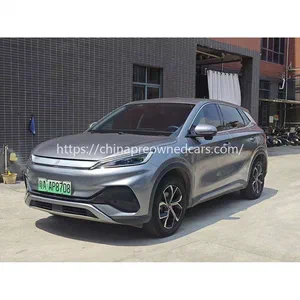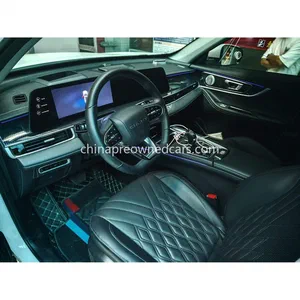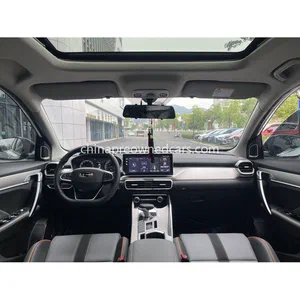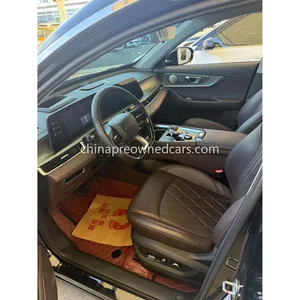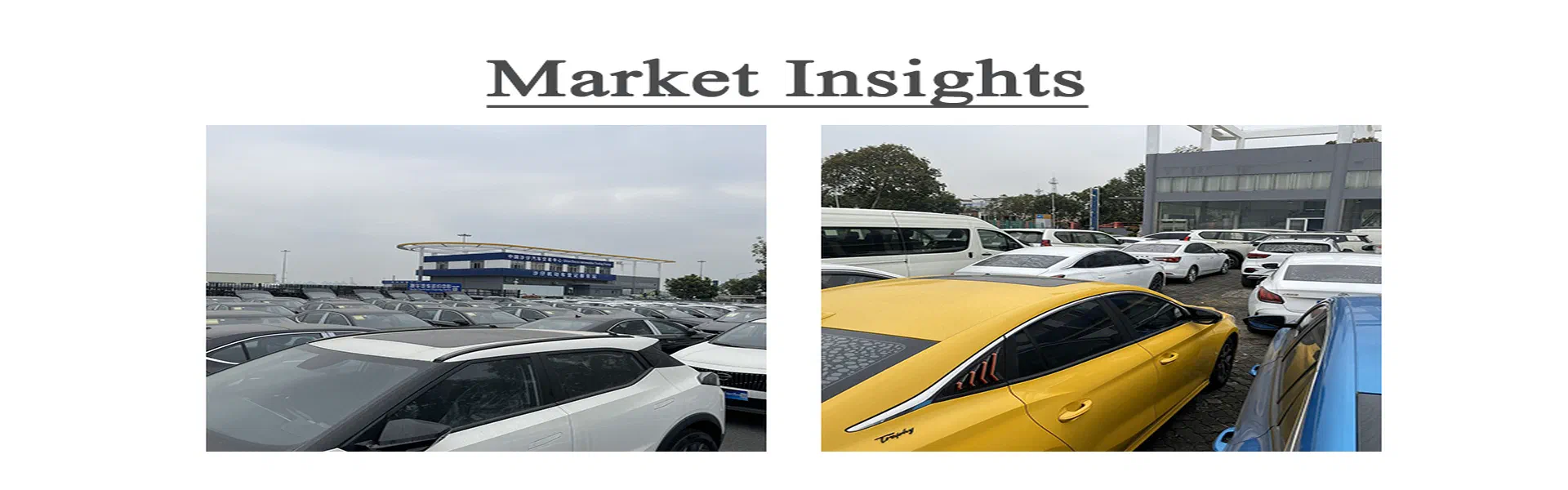
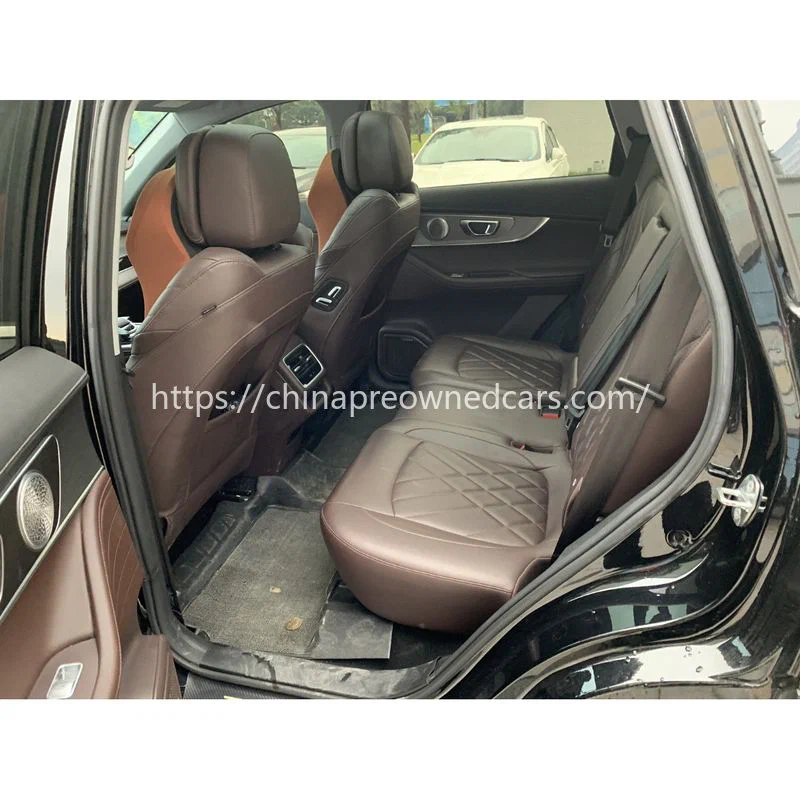
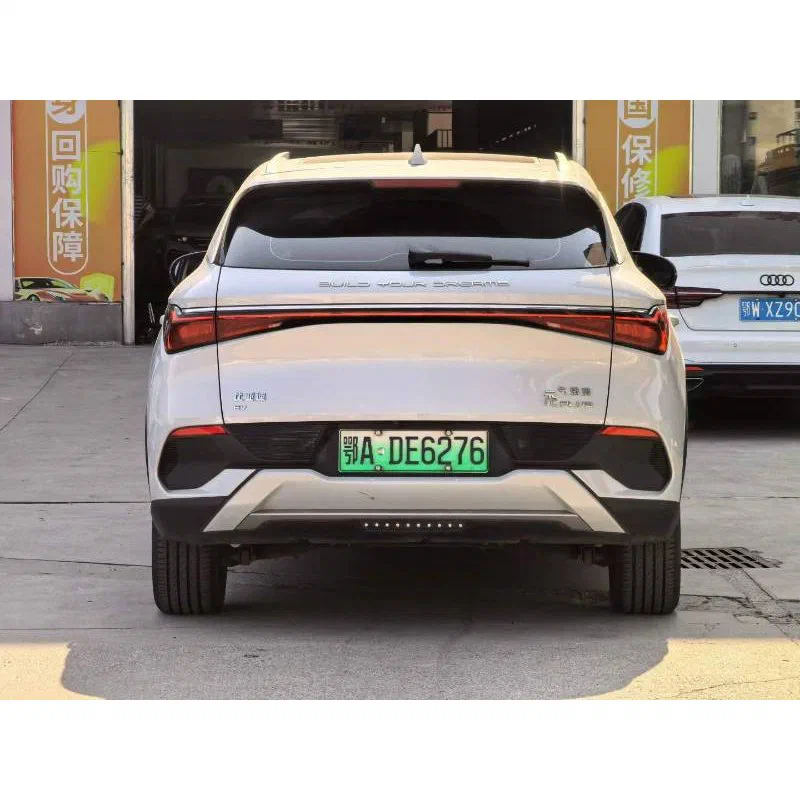
BYD Atto 3 has become a reference model for buyers examining Chinese used electric SUVs for export. This article reviews the vehicle features, export suitability, market position, and checks that matter before shipment to markets such as Ghana, Nigeria, Kenya, Uganda, and Tanzania.
The BYD Atto 3 is a compact electric SUV built around a front-wheel-drive layout and a battery electric powertrain. Used units are commonly evaluated by battery condition, charging performance, mileage records, exterior condition, and service history rather than appearance alone. For export buyers, battery health assessment is a key step because EV ownership depends heavily on remaining battery capacity and charging system condition. A used car 1000 search may bring many low-cost listings, but export decisions require more detailed verification than headline pricing.
In the West Africa used vehicle market, Chinese-brand SUVs are gaining attention as buyers compare them with established European and Japanese used vehicles. The BYD Atto 3 offers an electric option alongside models such as Chery Tiggo 7 Plus, Chery Tiggo 8 Pro, Geely Coolray, and Haval H6, giving importers more choices across different fuel and powertrain categories. Demand patterns vary by market, with electric vehicle adoption influenced by charging availability, electricity access, local service capability, and buyer expectations. In regions where charging networks are still developing, hybrid SUVs and conventional vehicles remain important alternatives.

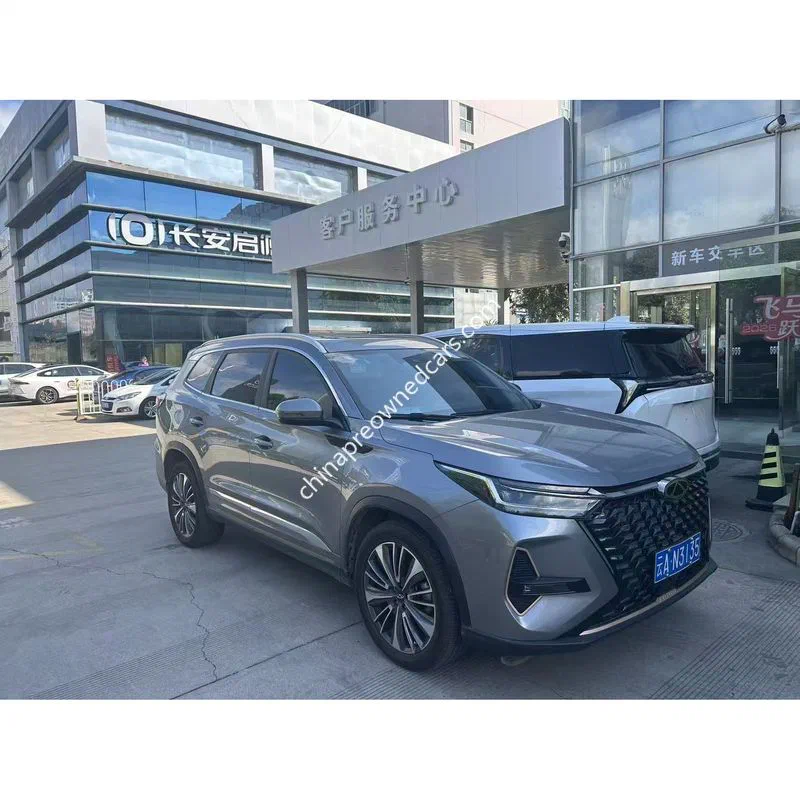
Condition grading is central to used vehicle export operations. A BYD Atto 3 selected from China’s domestic market should be checked through vehicle records, VIN verification, battery testing information, accident history review, and physical inspection. Common inspection points include battery health, charging port condition, suspension wear, tire condition, interior status, and electronic systems. Exporters normally arrange pre-shipment inspection before customs procedures and shipping. The inspection process helps overseas buyers understand the vehicle condition before it leaves China.
For destination markets including Ghana, Nigeria, Kenya, Uganda, and Tanzania, buyers must confirm local requirements before purchase. These requirements can include vehicle age restrictions, emission standards, import regulations, roadworthiness rules, and drive-side requirements, which differ by country and can change over time. Most Chinese domestic vehicles are left-hand drive, including many BYD Atto 3 units, so buyers in markets with different driving systems should confirm compatibility before ordering. Used EV exports also require attention to battery transport considerations and documentation.
Export preparation involves more than selecting a vehicle. Chinese used vehicle exports require export licensing, customs declaration, and pre-shipment inspection before shipment. Vehicles may be transported by RoRo shipping or loaded into containers depending on route, vehicle condition, and buyer requirements. Export documentation, payment terms, shipping lead time, and after-sales support arrangements should be reviewed clearly between the exporter and importer. For businesses comparing Chinese SUVs with older imported alternatives, the BYD Atto 3 represents a shift toward newer electric technology, but practical factors such as service access and market regulations remain decisive.
FAQ
Q: What should buyers check before exporting a used BYD Atto 3? A: Buyers should verify battery health, VIN records, inspection results, mileage information, and vehicle condition before shipment. Local import requirements should also be confirmed.
Q: Is the BYD Atto 3 suitable for African export markets? A: Suitability depends on charging infrastructure, regulations, service availability, and buyer needs in each destination market. A pre-purchase assessment is recommended before export.