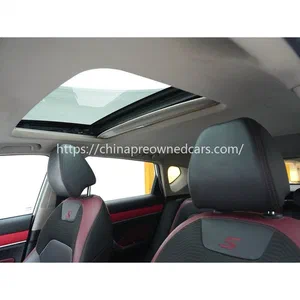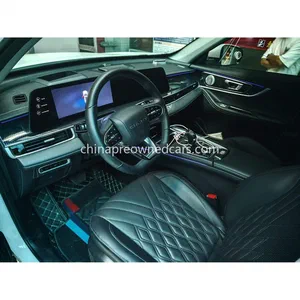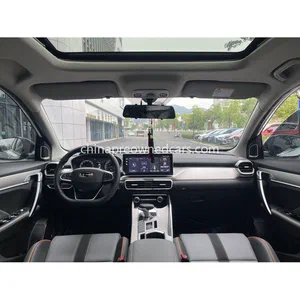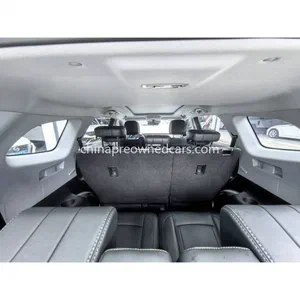
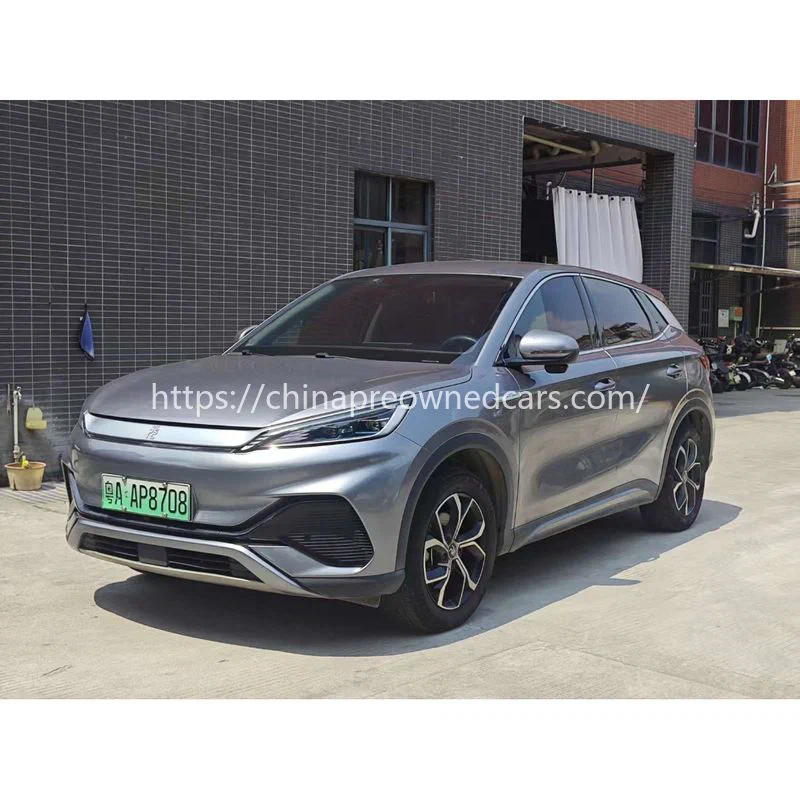
The BYD Atto 3 is a compact electric SUV that can fit the price-sensitive export segment, but its suitability depends on battery condition, charging access, drive-side rules, and local support. This article reviews the vehicle’s export-relevant specifications, used-unit grading, and demand prospects in West and East African markets.
Powertrain and export specifications
The Atto 3 uses a battery-electric powertrain with a front-mounted motor and front-wheel drive. Depending on production year and trim, Chinese-market versions commonly use battery capacities around 50 kWh or 60 kWh, with quoted driving ranges varying by test method and specification. Buyers should request the exact battery size, rated range, charging equipment, and software configuration for the identified vehicle rather than relying on a model-level description.
For export use, the main operating benefit is simple: there is no engine oil, exhaust system, or tailpipe emission equipment. Energy consumption is generally lower than fuel use in a comparable petrol SUV, particularly in urban traffic. Actual range will fall with high temperatures, air-conditioning use, heavy loads, tyre pressure, traffic, and battery aging. The Atto 3 normally supports AC charging and DC fast charging, but plug type, charging speed, and included cables must be checked before shipment.
Most Chinese domestic-market Atto 3 units are left-hand drive. That is generally more compatible with Ghana and Nigeria, where traffic keeps to the right, but it may create registration or operating issues in Kenya, Uganda, and Tanzania, where left-side traffic is used. A left-hand-drive vehicle is not automatically prohibited in every right-driving or left-driving market, so the importer should confirm current rules covering steering position, conversion requirements, inspection, and registration.
Used-unit condition and battery assessment

Condition grading should separate cosmetic wear from mechanical and electrical risk. A higher-grade unit may show limited paint correction and interior use, while a lower grade can include repaired panels, wheel marks, seat wear, or replacement trim. The grade is not a substitute for evidence. A buyer should receive dated photographs, the VIN, service records where available, accident disclosures, and a pre-shipment inspection report tied to the actual vehicle.
Battery state of health is the central check for a used Atto 3. The report should identify the test method, available capacity or health percentage, charging performance, warning history, cell balance, and any recorded battery or high-voltage system fault. A short road test should confirm smooth acceleration, regenerative braking, cooling operation, dashboard status, and DC charging if equipment is available. Battery transport also requires attention to dangerous-goods handling and shipping documentation, issues that do not apply in the same way to a petrol Haval H6 or Geely Coolray.
Position in African used-car demand
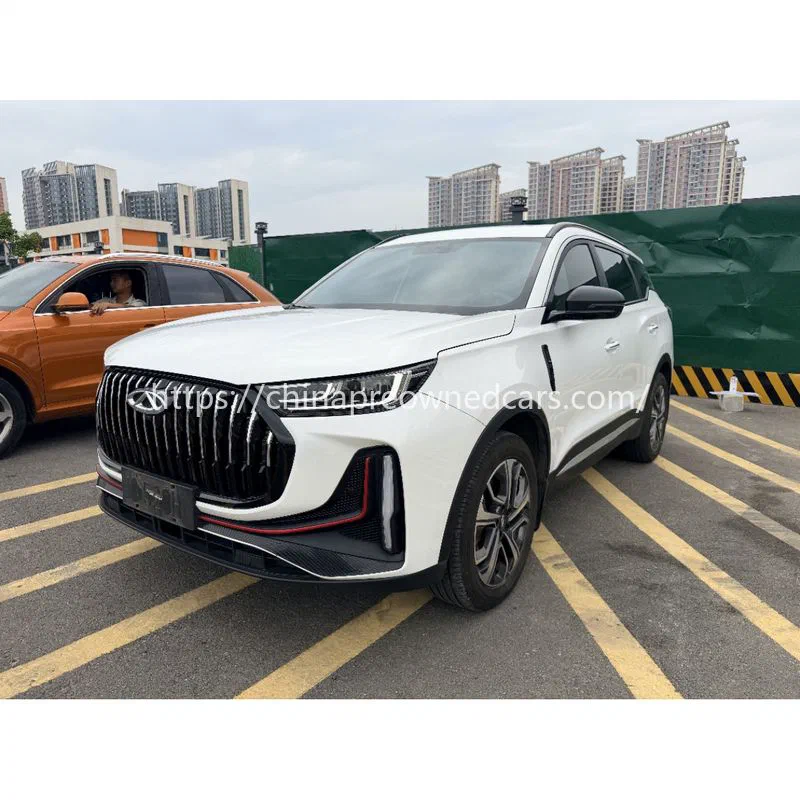
The Atto 3 occupies a different position from the Chery Tiggo 7 Plus, Chery Tiggo 8 Pro, Geely Coolray, and Haval H6. Those models use petrol powertrains and can serve buyers who depend on widespread fuel stations and independent engine workshops. The Atto 3 appeals more to fleet operators, city commuters, and businesses able to install charging at a depot or residence. Its compact SUV body, high seating position, and cabin technology match preferences already visible in the Chinese-brand SUV segment.
Chinese used cars are often assessed against European and Japanese alternatives on more than purchase cost. Toyota and other Japanese brands retain strong recognition, parts channels, and resale confidence in many African markets. European SUVs may offer familiar badges and established repair knowledge but can carry higher acquisition or maintenance costs in comparable specifications. Chinese vehicles bring newer cabin design and equipment at a lower used-vehicle positioning in some cases, although resale history and long-term parts supply remain important questions.
Demand is not uniform across the target markets. Ghana and Nigeria may offer a clearer fit for LHD Atto 3 units because of right-hand traffic, subject to each country’s current import controls and inspection procedures. Kenya, Uganda, and Tanzania require closer review because left-side traffic can make LHD vehicles less practical or restrict registration. In all five markets, charging infrastructure is developing unevenly, so buyers should identify reliable public chargers and assess whether home or workplace charging is possible.
Commercial checks before purchase
The most important comparison is total landed cost, not the Chinese purchase price alone. Freight, port handling, customs valuation, import duty, taxes, inspection charges, inland transport, registration, and charging equipment can change the final position against a used petrol SUV. An Atto 3 may be attractive for urban operation, while a petrol Coolray or H6 may remain easier to resell outside major cities where charging is limited.
The exporter should provide the VIN for verification before payment, along with the vehicle specification, ownership or sourcing documents, condition grade, battery test, and inspection scope. Payment terms should state the deposit, balance trigger, cancellation conditions, and documents released at each stage. Export licensing, customs declaration, and pre-shipment inspection are required steps in China. Shipping may be arranged by RoRo or by loading the vehicle into a container, depending on port, schedule, vehicle preparation, and cargo requirements.
A practical order file should cover the commercial invoice, packing or shipping documents, export declaration, inspection records, VIN details, and bill of lading when issued. Importers must also confirm the destination country’s current rules on vehicle age, emissions classification, steering position, roadworthiness, battery or electric-vehicle treatment, and registration. For an affordable used vehicle, transparent verification matters more than a low headline price. After-sales planning should include access to diagnostic equipment, charging advice, replacement parts, and a clear contact process if a fault appears after arrival.
FAQ
Q: Is the BYD Atto 3 suitable for Ghana or Nigeria?
A: Its left-hand-drive layout and electric powertrain may suit some buyers in Ghana and Nigeria, but current import, registration, charging, and roadworthiness rules must be confirmed before purchase.
Q: What battery information should be requested?
A: Request a vehicle-specific battery health report showing test method, available capacity, fault history, cell balance, and charging performance. The report should match the VIN of the unit being exported.
Q: Can a used Atto 3 be shipped by RoRo?
A: Electric vehicles can be shipped by RoRo when the carrier and port accept them under applicable battery and dangerous-goods procedures. Container shipping may be used when RoRo availability or cargo requirements make it more suitable.