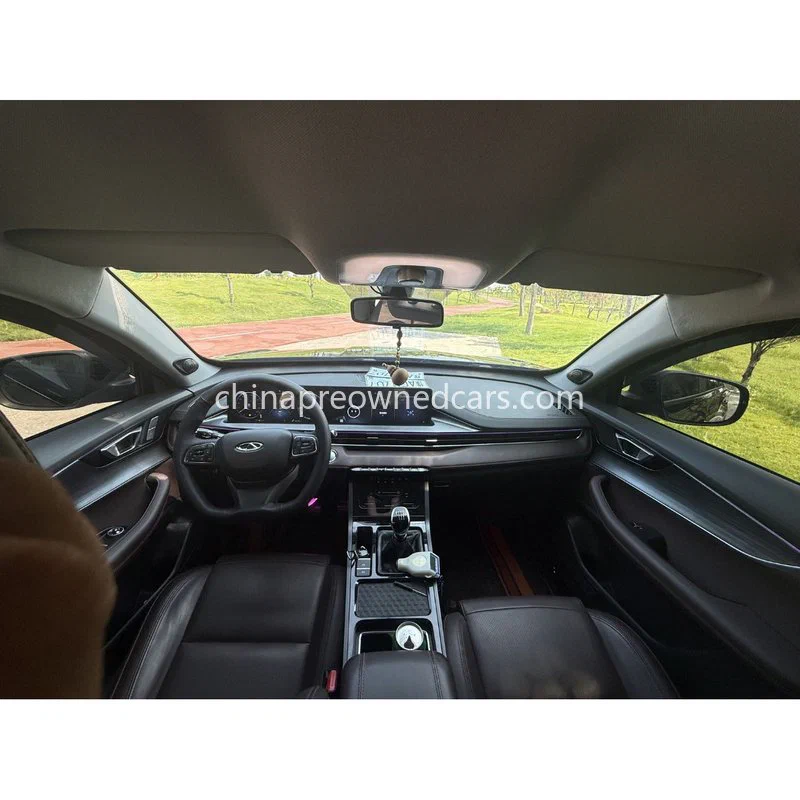
Buying a used SUV for Nigeria requires more than comparing mileage and purchase price. Buyers need to assess right- or left-hand-drive compatibility, local import rules, road conditions, fuel availability, and the cost of getting the vehicle through customs. For importers sourcing from China, these checks should begin before payment.
Nigerian Road Conditions and Vehicle Selection
Road quality varies considerably across Nigeria. Urban roads may involve heavy traffic and frequent braking, while rural routes can include potholes, uneven surfaces, and unpaved sections. Ground clearance, suspension condition, tyre quality, and underbody damage deserve close inspection. Buyers should request photographs of the underbody, tyre tread, suspension components, and engine bay, supported by a pre-shipment inspection report.
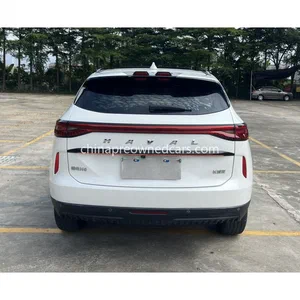
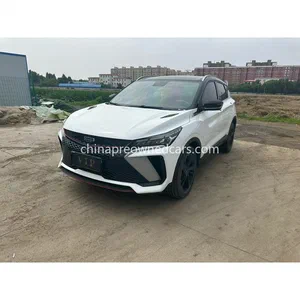
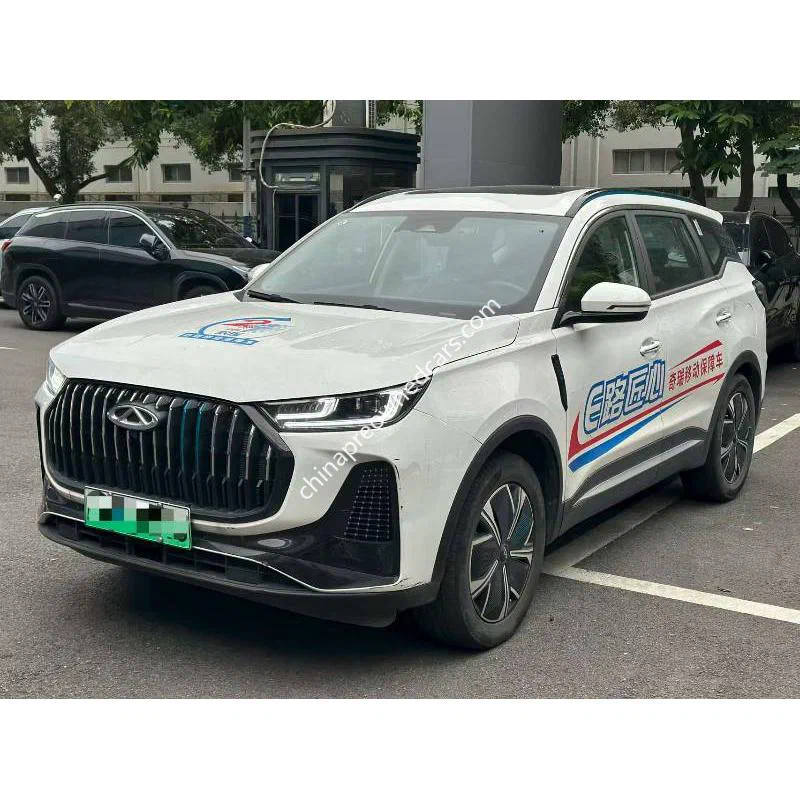
The Haval H6 and Chery Tiggo 7 Plus are worth considering for buyers seeking conventional SUV practicality. The larger Chery Tiggo 8 Pro may suit businesses serving families or customers who need additional passenger capacity. The Geely Coolray offers a smaller SUV format for urban use. Model specifications vary by year and version, so buyers should confirm engine type, drivetrain, ground clearance, safety equipment, and parts availability for the exact vehicle.
Import Compliance, Fuel and Electric Options
Most Chinese domestic-market vehicles are left-hand drive. Nigeria uses left-hand traffic, so steering position and current vehicle import requirements must be checked carefully before selecting a unit. Import eligibility, vehicle age restrictions, applicable emissions rules, duties, levies, and documentation requirements can change. Importers should confirm current requirements with Nigerian customs authorities or a licensed clearing agent before arranging shipment.
The BYD Atto 3 is a battery-electric SUV, while some versions of the available Chery and other Chinese-brand models may offer electrified powertrains depending on specification. Electric vehicles require a separate assessment of battery state of health, charging compatibility, and access to dependable charging facilities along intended routes. Petrol-powered options may be more practical where charging access is limited, but fuel economy and local servicing still matter. These are essential tips for buying 2nd hand car imports intended for commercial use.
Inspection, Shipping and Documentation
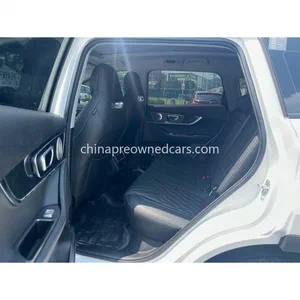
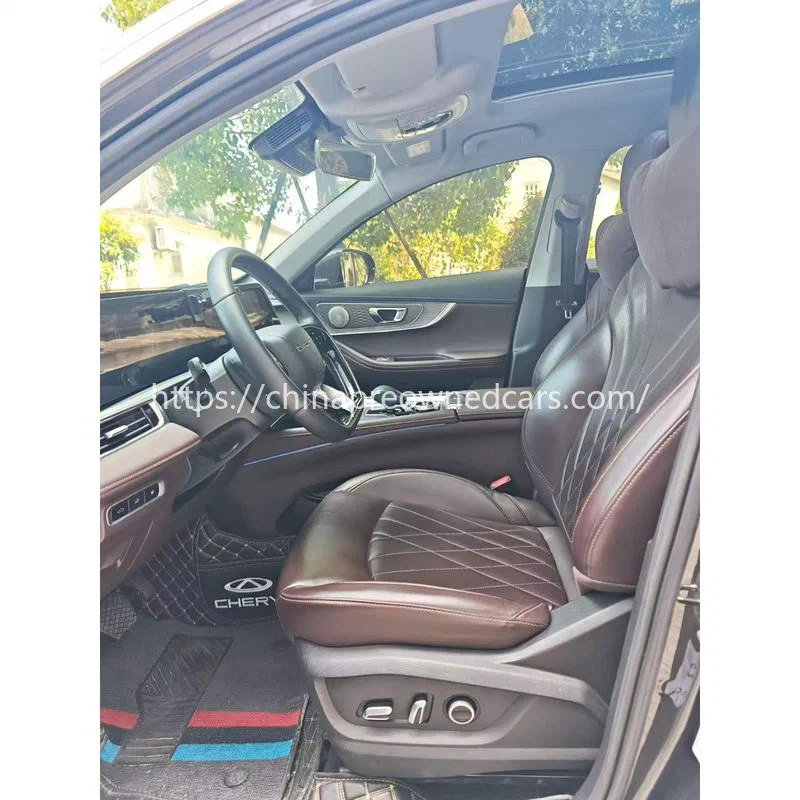
Before confirming an order, request the VIN, manufacturing year, mileage records where available, service history, accident-damage evidence, and a written condition assessment. Verify that the vehicle details match the export documents. Used vehicle exports from China require the applicable export licensing, customs declaration, and pre-shipment inspection procedures.

RoRo shipping is generally suitable for vehicles that can be driven onto and off the vessel, while container shipping offers enclosed transport and may suit selected vehicles or consolidated cargo. The choice affects handling, costs, and loading arrangements. Confirm payment milestones, inspection responsibilities, shipping estimates, destination charges, and the scope of after-sales support in writing. A clear landed-cost calculation should include freight, insurance where applicable, customs charges, port handling, and local clearance expenses.
FAQ
Q: Are Chinese used SUVs suitable for Nigerian roads?
A: They can be suitable when ground clearance, suspension condition, tyres, and underbody damage are assessed carefully. Suitability depends on the exact vehicle specification and the roads where it will operate.
Q: Should Nigerian importers choose an electric or petrol SUV?
A: The decision depends on charging access, daily travel distances, energy costs, and local service capability. Electric SUV buyers should obtain a battery health assessment before purchase.
Q: What documents should be checked before shipping a used SUV from China?
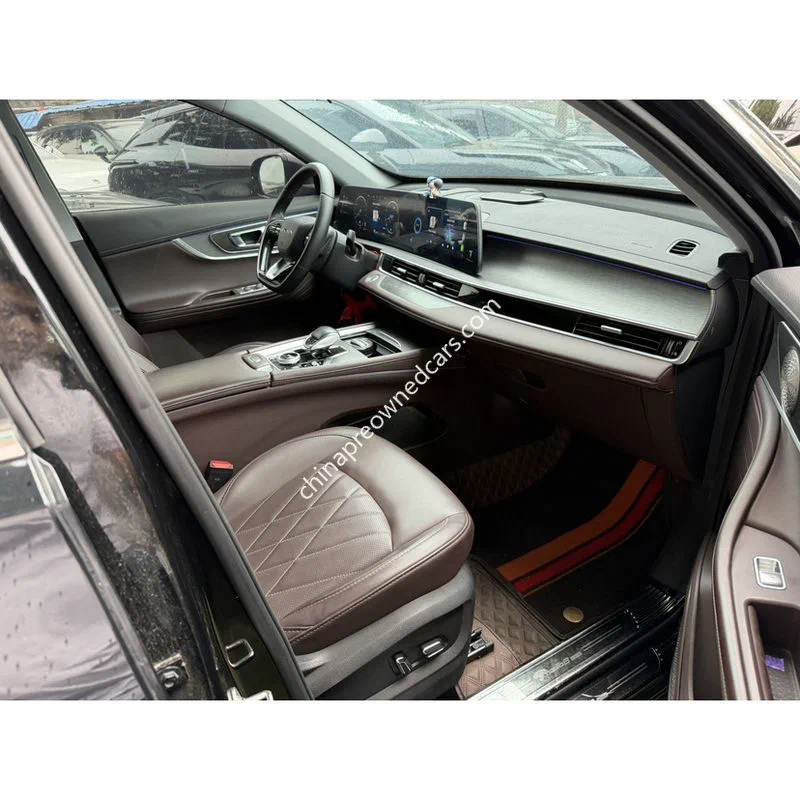
A: Buyers should verify the VIN, ownership and export documents, customs declaration requirements, and pre-shipment inspection records. Nigerian import rules and applicable duties should be confirmed with a licensed clearing agent before shipment.