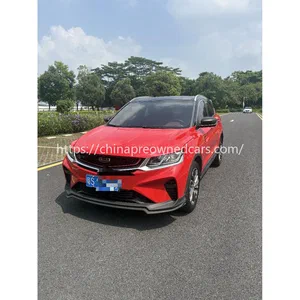
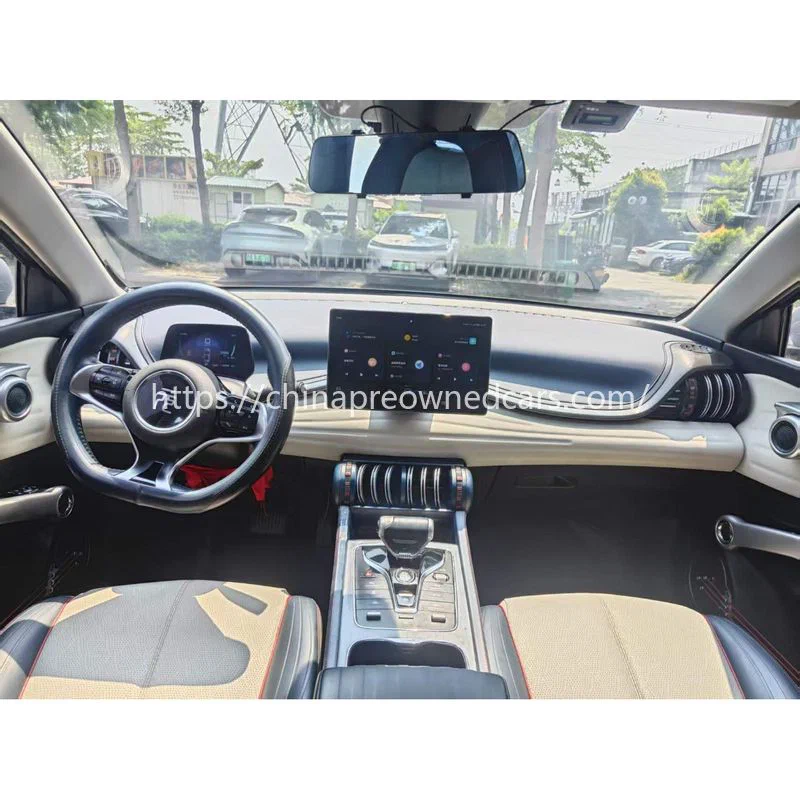
A vehicle showing 90,000 miles on the odometer can still be a viable export purchase, but mileage alone does not establish its value or remaining service life. For buyers importing Chinese used SUVs into Ghana, Nigeria, Kenya, Uganda and Tanzania, the key is to verify the vehicle’s history, mechanical condition and compliance costs before committing funds. These checks also help explain why two vehicles of the same model and mileage can command different prices.
Mileage, condition and model selection

For a used car 90000 miles is a significant point for closer inspection, not an automatic reason to reject the vehicle. Request dated service records and compare recorded mileage across maintenance invoices, inspection documents and available electronic vehicle data. Check for inconsistent wear on the steering wheel, pedals and driver’s seat. Ask for the VIN and compare it with the vehicle identification plate, registration records and export documents. Review accident history where records are available, paying particular attention to structural repairs, airbag deployment and flood damage. An independent pre-shipment inspection should document engine operation, transmission behaviour, suspension, brakes, tyres, warning lights and visible repairs. For electric vehicles such as the BYD Atto 3, request battery state-of-health information, charging tests and diagnostic results. Hybrid vehicles also require checks of the high-voltage battery and combustion powertrain. A dashboard reading or seller’s statement is not sufficient evidence of condition.
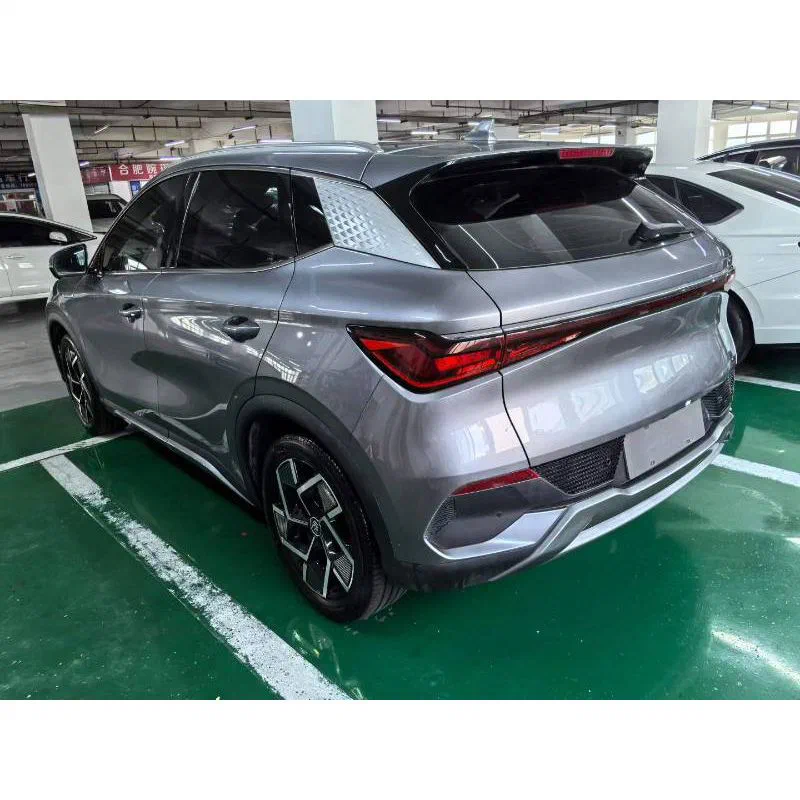
Model choice reflects different buyer priorities across West Africa. The BYD Atto 3 may appeal to buyers with suitable charging access and the capacity to support EV maintenance. The Chery Tiggo 7 Plus and Geely Coolray offer SUV formats for buyers balancing cabin space and acquisition cost, while the Chery Tiggo 8 Pro provides a larger family-oriented option. The Haval H6 also competes in the established SUV segment. Compared with European and Japanese alternatives, Chinese-brand vehicles can offer newer designs and substantial equipment at a competitive purchase price, although local parts availability, technician familiarity and resale demand affect the total ownership calculation. Buyers in Ghana and Nigeria should assess charging access and EV repair support before selecting an electric model; conventional or hybrid powertrains may suit operations where charging remains inconvenient. These are purchasing considerations, not fixed market-wide preferences. Actual demand varies by city, customer segment and vehicle specification.
Export documents, payment and shipping risks
Before payment, request the inspection report, VIN details, available service history, sales contract and a written breakdown of vehicle cost, export handling, freight and other agreed charges. Confirm that the exporter can arrange the required export licensing, customs declaration, pre-shipment inspection and shipping documentation. Verify the company’s registered details, business contact information, physical operating presence and ability to provide consistent vehicle records. A credible exporter should explain discrepancies rather than dismiss them. Payment arrangements vary, but deposits followed by a balance at an agreed, documented milestone are common commercial structures. The contract should define inspection acceptance, refund conditions, payment deadlines and responsibility for port or shipping delays. Never treat a bank transfer receipt as proof that a vehicle has been shipped. RoRo shipping generally suits vehicles that can be driven or handled through the vessel’s vehicle decks, while container shipping offers enclosed transport and may suit consolidated cargo. Compare freight, handling, loading arrangements and insurance before choosing. For Ghana, Nigeria, Kenya, Uganda and Tanzania, confirm current import rules on vehicle age, emissions, steering position, roadworthiness and duties with the relevant authorities or a licensed clearing agent. Most Chinese domestic vehicles are left-hand drive, which can restrict eligibility in right-hand-drive markets. Buyers should also establish the likely shipping schedule with the carrier and allow for customs or port delays. Common problems include mileage discrepancies, undisclosed accident repairs, missing documents, unexpected destination charges and EV battery condition that differs from the seller’s description. Written evidence and independent checks reduce these risks.
FAQ
Q: Is 90,000 miles too much for a used SUV intended for export?
A: Not necessarily. Maintenance records, inspection findings, operating conditions and repair costs matter more than mileage alone.
Q: What documents should a buyer request before paying?
A: Request the VIN, available service history, pre-shipment inspection report, sales contract and a clear cost breakdown. Confirm that export licensing and customs documentation can be completed and that shipping records will be provided.
Q: What additional checks are needed for a used electric SUV?
A: Request battery state-of-health data, diagnostic results and a charging test. Confirm battery transport requirements, destination charging compatibility and access to local servicing before purchase.