
The under-$3,000 search bracket needs careful interpretation in the West African used-car trade. This article examines how age, mileage, service records, inspection results, and export costs affect the value of cars for sale used under 3000, including Chinese SUVs sourced for Ghana, Nigeria, Kenya, Uganda, and Tanzania.
Condition grading that matters
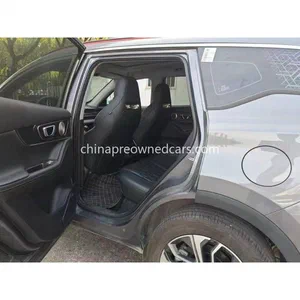
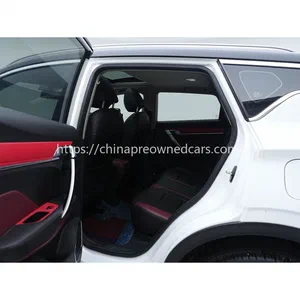
A useful grading report separates appearance from mechanical condition. Cosmetic grades normally record paint fading, dents, panel alignment, glass, wheels, upholstery, and signs of flood or fire exposure. Mechanical assessment covers cold starting, engine or motor operation, transmission response, steering, suspension, braking, air-conditioning, warning lamps, lights, tyres, and underbody damage. These categories should not be collapsed into one score. A clean-looking vehicle can still have weak suspension or incomplete maintenance records.

Mileage is best read in bands rather than treated as a single quality guarantee. Lower-mileage vehicles may have less wear, but long storage, short-trip use, or delayed servicing can create separate faults. Higher-mileage vehicles can remain commercially suitable when maintenance is documented and major components test correctly. For the BYD Atto 3, battery state of health, charging performance, thermal management, and diagnostic records matter more than an attractive odometer figure alone. For petrol models such as the Chery Tiggo 7 Plus, Chery Tiggo 8 Pro, Geely Coolray, and Haval H6, oil changes, cooling-system work, transmission service, and suspension repairs deserve close review.
A service history should show dates, mileage, workshop details, replaced parts, and invoices where available. Digital records need to match the vehicle identification number and dashboard reading. Export-grade usually means the unit has passed the seller’s preparation and inspection process, with faults disclosed and documents assembled for shipment. Dealer-grade is not a universal legal certification. It should mean the vehicle is presented to a retail or wholesale standard, but the buyer still needs the underlying inspection report, photographs, diagnostic results, and ownership history.
Market fit and export checks
Demand in West Africa is moving beyond the simple search for the lowest purchase price. Buyers in Ghana and Nigeria continue to compare Chinese SUVs with older European and Japanese vehicles on fuel use, cabin space, equipment, and access to parts. The Chinese options often offer newer interiors and modern safety or infotainment features at a competitive vehicle price, while established alternatives may have wider independent-repair familiarity. That difference affects resale and workshop planning. In Kenya, Uganda, and Tanzania, drive-side requirements and local import rules can narrow the usable supply because most Chinese domestic-market vehicles are left-hand drive.
The inspection stage reduces uncertainty but does not remove it. A pre-shipment inspection can identify visible damage, mechanical symptoms, diagnostic faults, tyre condition, fluid leaks, and discrepancies in supplied documents. It cannot predict every future repair, confirm how a vehicle will perform after ocean transport, or replace a destination-country compliance decision. EV buyers should request a battery health report, charging test, fault-code scan, charge-port photographs, and confirmation of battery transport arrangements. Buyers of combustion vehicles should seek a cold-start video and evidence of road testing, not only static photographs.
Red flags include fresh underbody coating that hides corrosion, uneven paint texture, mismatched panel gaps, new warning lights that disappear after starting, water marks in the cabin, unexplained mileage changes, and service entries without supporting detail. Payment terms should identify the deposit point, inspection timing, balance requirement, cancellation treatment, and documents released after payment. Export licensing, customs declaration, pre-shipment inspection, and export documentation must be handled before shipment. RoRo shipping generally suits a drivable vehicle, while container shipping can offer different loading options and protection; the choice depends on port, route, vehicle condition, and cargo planning.
A quotation should distinguish vehicle price from inland transport, inspection, customs clearance, port charges, freight, insurance, and destination fees. Shipping lead times are estimates rather than fixed promises because vessel schedules and port procedures change. Before ordering, the importer should confirm current rules on vehicle age, emissions, left- or right-hand drive, roadworthiness, battery entry, and registration with the relevant authority in Ghana, Nigeria, Kenya, Uganda, or Tanzania. These rules are not interchangeable. A model that suits one market may require a different specification or may not be eligible in another.

FAQ
Q: Does a low price prove that a used vehicle is poor quality?
A: No. Price can reflect age, mileage, equipment, local supply, repair needs, and export costs. A low-priced unit still requires records and an independent review.
Q: What should be checked on a used BYD Atto 3?
A: Request battery state of health, charging and diagnostic tests, fault-code results, accident evidence, and the VIN-linked service history. Confirm that the battery and shipping arrangements meet the destination and carrier requirements.
Q: Is an export-grade vehicle ready for registration in West Africa?
A: Not automatically. Export preparation covers the seller’s inspection and shipment documents, while Ghana, Nigeria, Kenya, Uganda, and Tanzania apply their own current rules on age, emissions, drive side, roadworthiness, and import clearance.