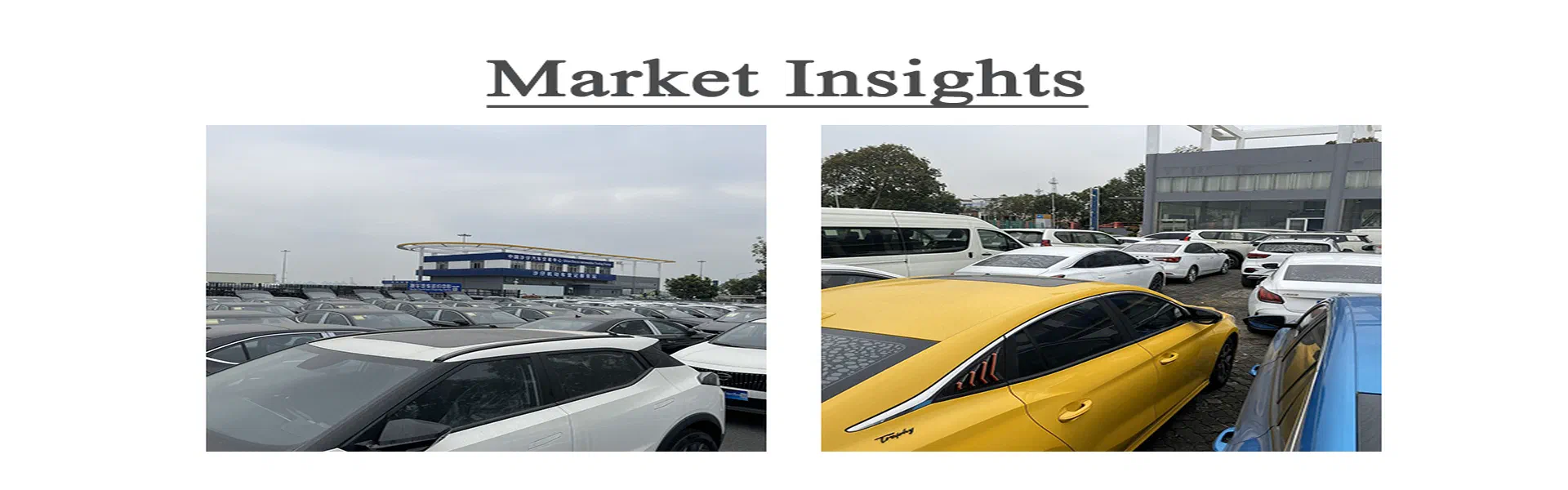
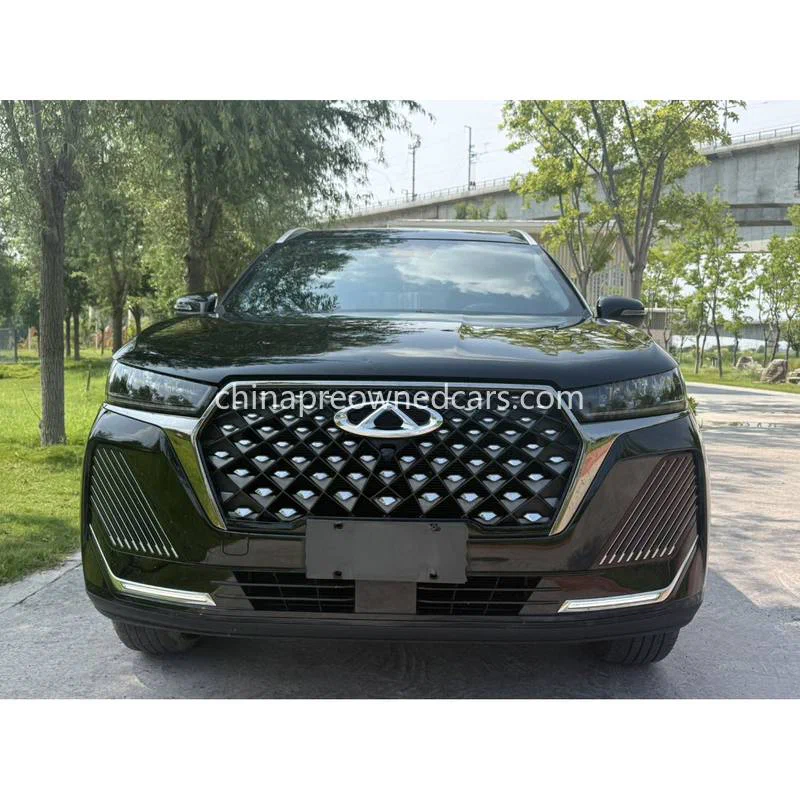
Tanzania’s used SUV market requires buyers to look beyond the initial purchase price. Diesel vehicles remain relevant for long-distance travel and areas with limited charging access, while hybrid SUVs offer a different balance of fuel consumption and urban usability. For importers comparing Chinese used vehicles, the decision depends on driving conditions, local regulations, fuel availability and the total cost of ownership.
Tanzania’s SUV Market: Diesel Demand and the Shift Towards Hybrid Vehicles
Diesel SUVs have traditionally appealed to buyers who cover long distances, travel outside major urban centres or need a vehicle for demanding road conditions. Their torque characteristics suit heavier vehicles and uneven terrain, while conventional diesel refuelling remains practical across much of Tanzania. This makes diesel a familiar choice for commercial operators, regional traders and households travelling between towns. However, maintenance history matters. Buyers should examine the engine, turbocharger, fuel injection system, transmission and exhaust components rather than assuming that a diesel vehicle is economical simply because of its fuel type. The second hand car diesel price also needs to be assessed against expected maintenance expenditure and fuel consumption.
Hybrid demand reflects a gradual change in buyer priorities. Urban drivers increasingly have reason to consider lower fuel consumption, particularly where daily journeys involve congestion and frequent acceleration. A hybrid combines an internal combustion engine with an electric motor, reducing reliance on the engine under certain operating conditions. Unlike a fully electric vehicle, it does not depend on public charging to complete ordinary journeys. This distinction is important in Tanzania, where charging infrastructure remains less developed outside major urban areas. Buyers comparing diesel and hybrid SUVs should therefore consider their actual routes, annual mileage and access to qualified repair facilities. A hybrid is not automatically the better purchase for every operating environment.
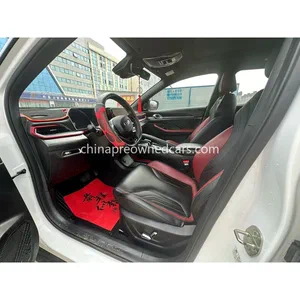
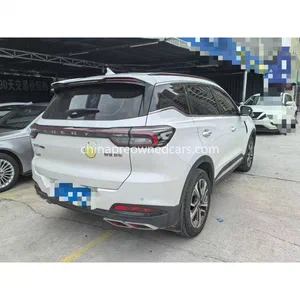
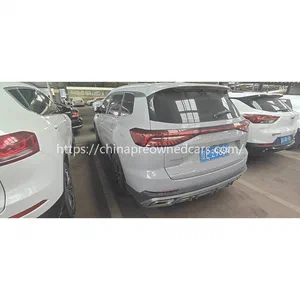
Chinese brands are gaining attention because their equipment levels and purchase positioning can make them competitive against older European and Japanese imports. The Chery Tiggo 7 Plus and Haval H6 offer SUV formats suited to family and general-purpose use, while the larger Chery Tiggo 8 Pro may interest buyers who need additional passenger capacity. The Geely Coolray targets a different segment, with a more compact urban-oriented design. These models are not direct substitutes for every diesel SUV in the market. Their suitability depends on powertrain configuration, ground clearance, service requirements and the condition of each individual vehicle. Importers should compare equivalent vehicle categories rather than treating all SUVs as interchangeable.
Matching Chinese Inventory to Tanzanian Operating Conditions

The BYD Atto 3 represents a different purchasing decision. It is a fully electric SUV rather than a diesel or conventional hybrid, so its suitability depends heavily on charging access and driving patterns. Buyers operating mainly in Dar es Salaam or another urban centre may find an EV more practical than operators regularly travelling through rural districts. Battery condition becomes a central part of the assessment. A pre-owned Atto 3 should be evaluated through battery state-of-health information, diagnostic records, charging performance and available service support. Transport arrangements also require attention because lithium-ion batteries are subject to applicable shipping and dangerous-goods handling requirements. An attractive purchase price cannot compensate for inadequate charging access or uncertain battery condition.
Physical road conditions also influence model selection. Tanzania’s paved urban roads, regional highways and unpaved rural routes place different demands on suspension components, tyres and underbody protection. Buyers should inspect suspension joints, shock absorbers, steering components, tyre condition and evidence of previous underbody impacts. Ground clearance should be assessed against the intended routes, particularly during periods of heavy rainfall. Cabin air conditioning, cooling system performance and electrical components deserve attention in hot operating environments. These checks apply to diesel and electrified vehicles alike. A vehicle that performs well during a short urban test drive may still require substantial work before regular regional use.
Right-hand-drive compatibility is another important screening point. Tanzania operates left-hand traffic, so right-hand-drive vehicles are generally the appropriate configuration for local use. Most vehicles in China’s domestic used-car market are left-hand drive. This creates a significant sourcing constraint for Chinese exporters. The BYD Atto 3, Chery Tiggo 7 Plus, Chery Tiggo 8 Pro, Geely Coolray and Haval H6 should not be assumed to meet Tanzania’s steering-position requirements merely because they are available for export. Buyers must confirm the actual configuration before paying a deposit. Where a particular model is unsuitable, the exporter should establish whether a compliant alternative can be sourced rather than suggesting that steering position is a minor issue.
Import Costs, Documentation and Purchasing Priorities
Import regulations can change, and Tanzania’s requirements should be checked before a vehicle is purchased in China. Buyers need to confirm applicable vehicle age restrictions, emissions requirements, roadworthiness standards, inspection procedures and customs duties with the relevant Tanzanian authorities or a qualified clearing agent. Duty and tax calculations should use the vehicle’s applicable customs valuation and classification rather than relying solely on the seller’s invoice. Import documentation generally includes the commercial invoice, purchase information, shipping documents and required export and inspection records. China’s export process involves the necessary export licensing, customs declaration and pre-shipment inspection. The exporter should clarify which documents it prepares and which responsibilities remain with the importer.
Shipping choice affects both cost structure and handling. RoRo shipping is generally suitable for vehicles that can be driven or moved under their own power and accepted by the carrier. Container shipping offers an alternative, particularly where additional protection or consolidated cargo arrangements are required. The choice depends on the vehicle, shipping route, carrier availability and destination-port arrangements. Buyers should request a written breakdown covering inland transport in China, export handling, inspection, freight, insurance where applicable and destination charges. Estimated transit times should be distinguished from customs clearance and port-release time. These are separate stages, and delays at the destination cannot be ruled out.
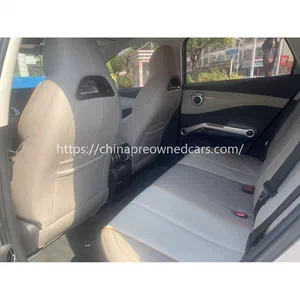
Condition assessment should take priority over headline price. A pre-owned vehicle sourced from China needs a documented inspection covering its VIN, odometer reading, accident and repair evidence, mechanical operation and visible body condition. For hybrids, the report should identify the powertrain configuration and examine the hybrid battery and related systems. For the BYD Atto 3, battery diagnostics and charging checks are essential. Buyers should also request photographs or video of the actual vehicle, not generic model images. Payment terms should identify the deposit, balance-payment conditions, inspection arrangements and the point at which shipping documents are released. After-sales support should be discussed before purchase, including access to diagnostic information, spare-parts sourcing and technical assistance. For Tanzania-bound orders, steering position and import eligibility should be confirmed before any other specification becomes a purchasing priority.
FAQ
Q: Are diesel SUVs more suitable than hybrids for rural Tanzania?
A: Diesel SUVs can be practical for long-distance routes and areas with limited charging access. Hybrids remain worth considering where fuel savings and urban driving are higher priorities.
Q: Can the BYD Atto 3 be exported from China to Tanzania?
A: It can be considered for export, but buyers must confirm Tanzania’s current import eligibility, charging arrangements and battery transport requirements before purchasing.
Q: What should Tanzanian buyers verify before importing a Chinese used SUV?
A: Confirm right-hand-drive configuration, vehicle age eligibility, emissions compliance, inspection documentation, actual vehicle condition and the full landed cost before making payment.