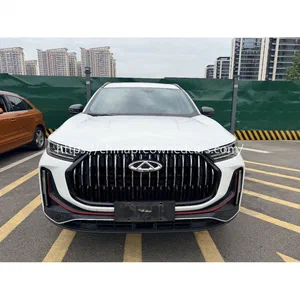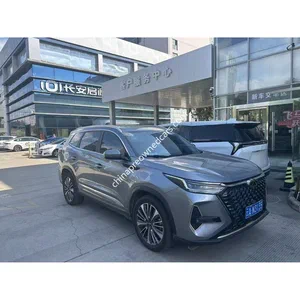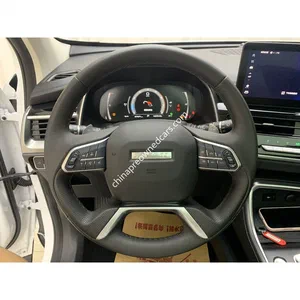
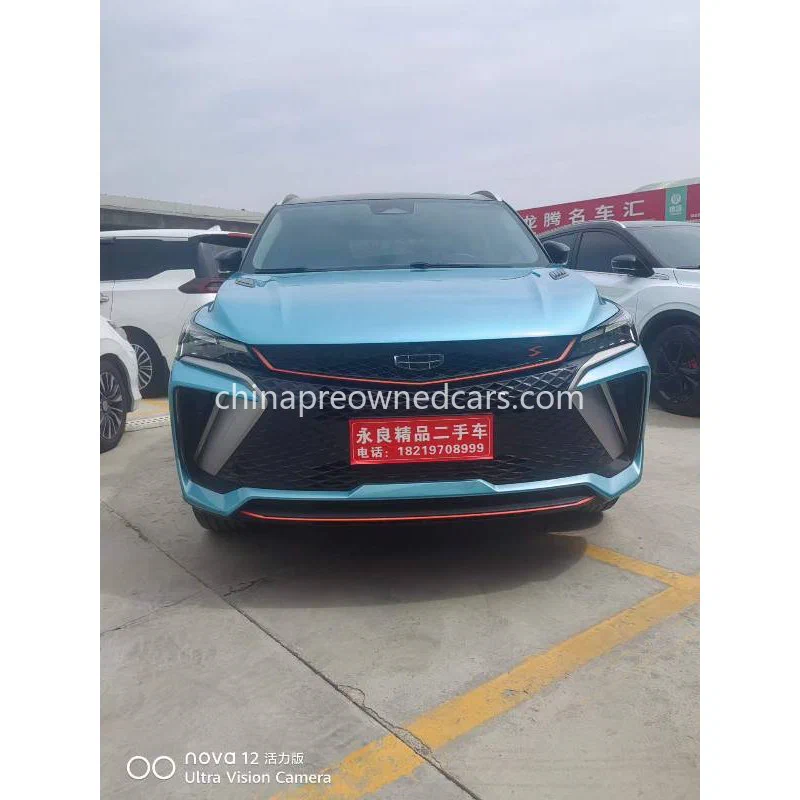
Certified pre-owned SUVs can be suitable for East African roads, but the value depends on the vehicle’s inspection results, drivetrain, import eligibility and local running costs. Buyers in Ghana, Nigeria, Kenya, Uganda and Tanzania need to assess more than the seller’s certification label. The right purchase starts with matching the vehicle to destination regulations and the conditions it will face after arrival.
What East African Markets Require from an Export SUV
Drive side is an early screening point. Ghana, Nigeria, Kenya, Uganda and Tanzania generally use left-hand traffic, so right-hand-drive vehicles are normally expected for local road use. Most Chinese domestic-market SUVs are left-hand drive (LHD), which can create a registration or compliance problem in these destinations. Importers should confirm current rules with the relevant authorities before paying a deposit, rather than assuming an LHD vehicle will be accepted.
Vehicle age and emissions requirements also affect the choice. Each destination applies its own import conditions, which may cover manufacturing year, first registration, emissions performance, roadworthiness and inspection procedures. These rules can change, and eligibility may depend on the vehicle category and its documentation. Buyers importing a BYD Atto 3, Chery Tiggo 7 Plus, Chery Tiggo 8 Pro, Geely Coolray or Haval H6 should verify the exact model year, powertrain and vehicle identification number against current local requirements. A vehicle that clears Chinese export procedures is not automatically eligible for registration in Kenya or Nigeria.
Road conditions and climate influence suitability just as strongly. Potholes, uneven surfaces, unpaved access roads and frequent speed bumps place demands on tyres, suspension, steering and underbody components. Ground clearance, tyre condition and the availability of replacement parts deserve close attention. In hot regions, the cooling system and air conditioning need to perform properly, while coastal humidity and seasonal rain make checks for corrosion, water ingress and damaged electrical connections important. A clean exterior is not evidence that these systems are in good condition.
Matching the Vehicle to Local Operating Conditions
The inventory offers different trade-offs. The Geely Coolray is a compact SUV worth assessing for urban commuting and tighter parking spaces, while the Chery Tiggo 7 Plus offers a larger crossover format for buyers balancing passenger space with everyday use. The Chery Tiggo 8 Pro may suit operators who need a larger cabin and additional seating capacity, depending on the exact configuration. The Haval H6 is another option for buyers seeking a family-oriented SUV. For every model, confirm the actual engine, transmission, trim, safety equipment and seating configuration; specifications can differ by model year and market.
The BYD Atto 3 requires a different assessment because it is fully electric. Its suitability depends on reliable charging access along regular routes, the availability of compatible charging equipment and the cost of installing a suitable home or workplace charger. Buyers should request a battery state-of-health assessment, diagnostic records and charging-system checks. Battery condition cannot be established from the dashboard range alone. Transport arrangements also matter: the exporter and shipping provider must confirm the applicable procedures for transporting the vehicle and its high-voltage battery. Where public charging remains inconvenient, a conventional petrol SUV or a suitable hybrid may be easier to operate, subject to the specific model’s powertrain and local fuel availability.

Fuel quality and maintenance access should shape the final decision. Petrol SUVs depend on suitable fuel, routine servicing and compatible engine and transmission parts. A hybrid adds electrical components and a traction battery, so technicians need the right diagnostic equipment and training. Electric vehicles avoid petrol consumption but depend on charging access and battery support. Before selecting any model, local importers should identify workshops that can service its systems, obtain common replacement parts and diagnose electronic faults. A vehicle that is easy to maintain locally may offer better long-term value than one with more features but limited technical support.
Inspection, Import Costs and Shipping Preparation
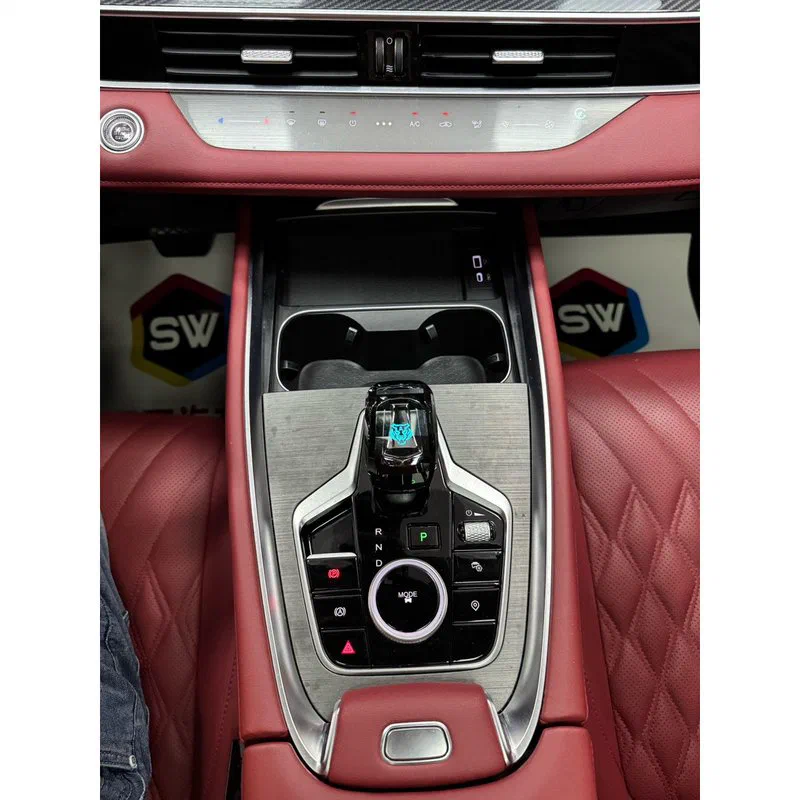
The term certified pre-owned should be treated as a description of a seller’s inspection or certification process, not as a universal guarantee. Before purchase, request the inspection checklist, available service records, odometer information and photographs of the underbody, tyres, cabin and engine compartment. Verify the VIN against the vehicle documents and check for accident repairs, corrosion, warning lights, fluid leaks and signs of flood damage. For an EV, add battery diagnostics and a review of charging performance. Independent inspection is advisable when the available report does not answer specific questions about the vehicle’s intended use.
The landed cost must include more than the purchase price. Import duties, taxes, port charges, customs handling, inspection fees and inland transport can materially change the economics. Rates and exemptions depend on the destination’s current rules and the vehicle classification, so buyers should obtain a destination-specific estimate before committing. Chinese used vehicle exports also require the relevant export licensing, customs declaration and pre-shipment inspection procedures. Documentation commonly includes the commercial invoice, purchase or sales contract, vehicle registration or ownership documents, shipping documents and other records required by the exporting and importing authorities.
Shipping is usually arranged by roll-on/roll-off (RoRo) or container. RoRo can suit vehicles accepted by the carrier for this service, while container shipping may offer different handling and protection arrangements, depending on loading and securing procedures. Neither method removes the need to verify insurance, port charges, cargo acceptance conditions and the consignee’s documents. Buyers should agree payment milestones, inspection access, responsibility for unexpected charges and the process for resolving discrepancies in writing. An exporter such as chinapreownedcars.com can coordinate sourcing, inspection, export documentation and shipping arrangements, but destination compliance should be confirmed before dispatch.
FAQ
Q: Is it worth getting a certified pre owned car for East African roads?
A: It can be worthwhile when the inspection process is documented, the vehicle suits local road conditions and its import eligibility is confirmed. Certification alone does not replace VIN checks, condition assessment or destination-specific compliance checks.
Q: What should an importer verify before shipping a used SUV from China?
A: Confirm the vehicle’s identity, condition, model year, drive side, emissions status and any required inspection records, then check current import rules and calculate the full landed cost. For electric SUVs, also verify battery health, charging compatibility and applicable battery transport requirements.