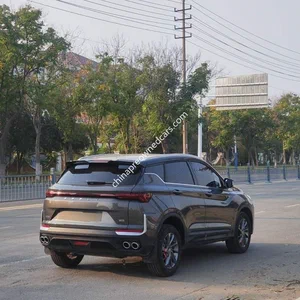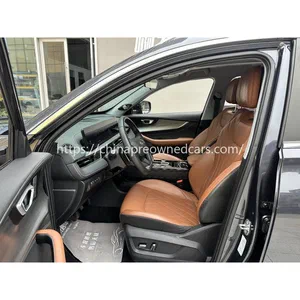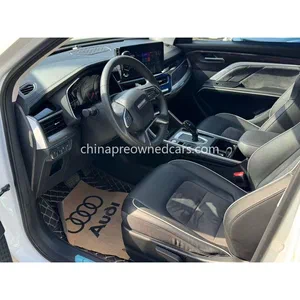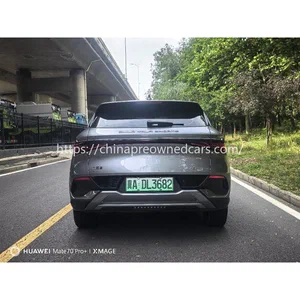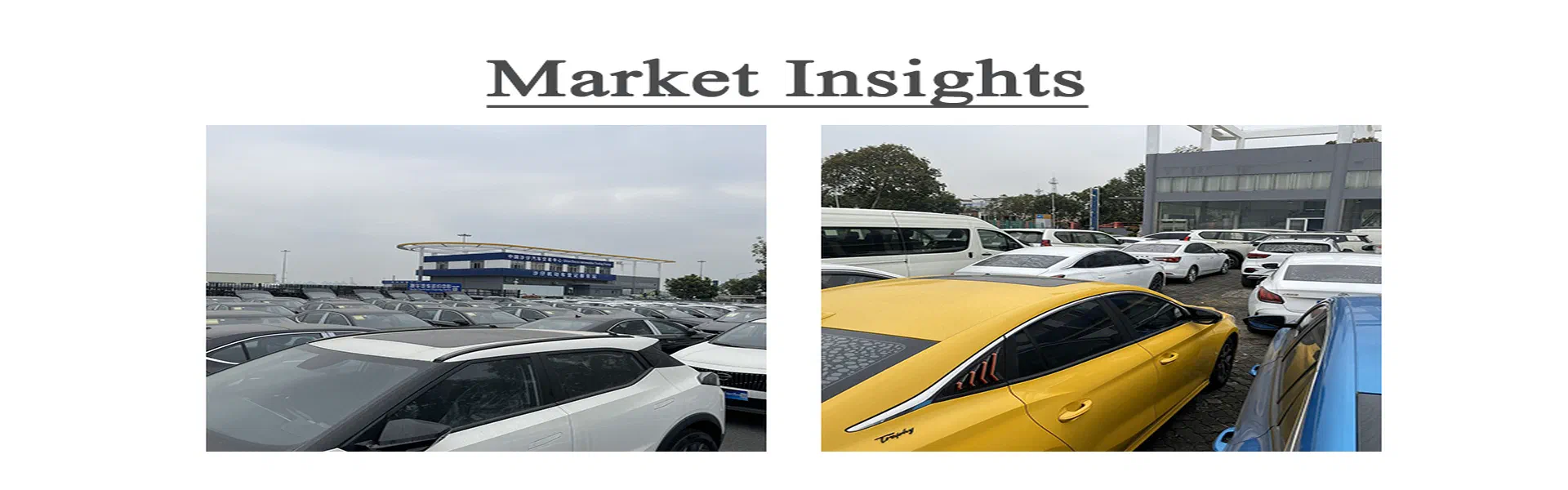
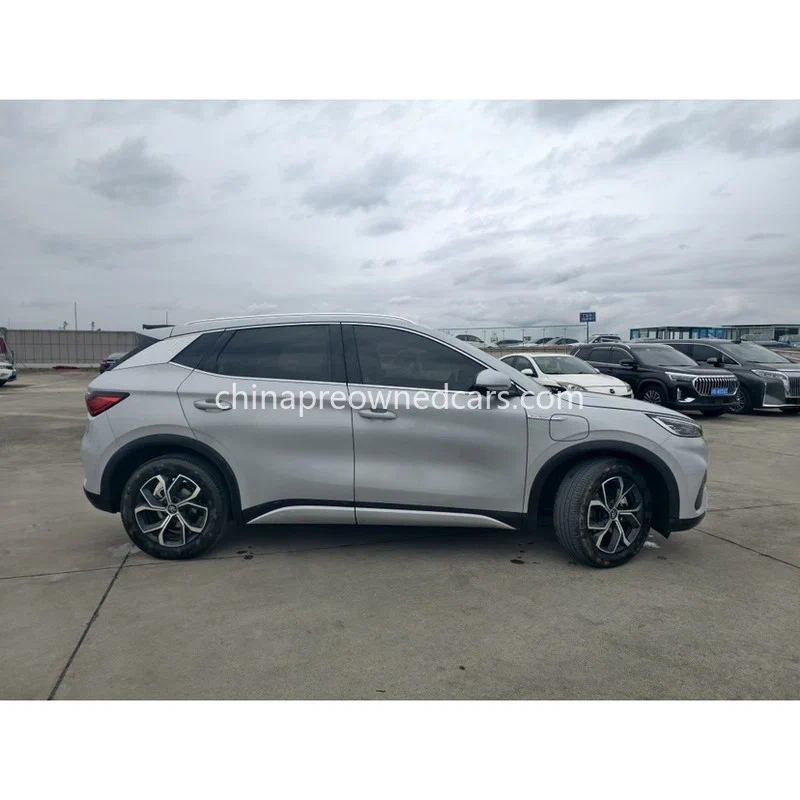
The demand for used vehicles in African markets is steadily increasing, propelled by a combination of economic growth, urbanization, and shifts in consumer preferences. This analysis focuses on how specific models from Chinese manufacturers, particularly electric and hybrid SUVs, align with the needs of markets such as Ghana, Nigeria, Kenya, Uganda, and Tanzania. Key aspects include the vehicles’ specifications, prevailing regulations, and the logistics of exporting these vehicles from China.
Chinese brands like BYD, Chery, Geely, and Haval are gaining traction in Africa due to their affordability and features tailored for local conditions. In particular, models such as the BYD Atto 3 and Haval H6 offer appealing specifications, including efficient fuel consumption and spacious interiors suitable for rugged terrains. However, buyers must consider local preferences for left-hand drive vehicles, as most of the current inventory is designed for such markets. This factor can influence purchasing decisions, especially in countries where right-hand drive is the norm.
In terms of regulatory requirements, potential buyers should be aware that many African countries have specific import regulations regarding vehicle age, emission standards, and roadworthiness. For example, while some markets may allow for older vehicles, others may impose stricter age limits. Emission standards vary widely as well, necessitating that buyers confirm compliance with the current regulations in their respective countries. Additionally, the prevalence of charging infrastructure is a significant consideration for electric vehicles, impacting their feasibility in markets where such facilities are limited.
Exporting vehicles from China involves a series of logistical steps, including pre-shipment inspections, customs clearance, and choosing between RoRo (Roll-on/Roll-off) and container shipping methods. Pre-shipment inspections are crucial for ensuring that the vehicles meet both international standards and specific destination requirements. Documentation is also essential; exporters must prepare accurate invoices, shipping documents, and customs declarations to facilitate smooth passage through ports. Understanding these processes can help buyers avoid delays and unexpected costs.
The landscape of used auto sales sites in Africa is evolving, with a noticeable shift towards online platforms that offer a more streamlined purchasing experience. Buyers are increasingly turning to digital marketplaces to compare models, review specifications, and assess vehicle conditions. This trend is particularly relevant for electric and hybrid SUVs, as consumers seek greener alternatives. Furthermore, the affordability of Chinese used vehicles compared to their European and Japanese counterparts positions them as an attractive option for budget-conscious buyers.

When considering a purchase, buyers should prioritize key aspects such as vehicle condition, mileage, and past maintenance records. Engaging in thorough due diligence, including a pre-purchase inspection, can help buyers ascertain the quality of the vehicle. Payment terms also play a significant role in the purchasing process, often requiring upfront deposits followed by balance payments upon shipment. Shipping lead times can vary based on the chosen method, typically ranging from two to four weeks.
FAQ
Q: What should I verify before purchasing a used vehicle from China?
A: Buyers should check the vehicle’s condition, mileage, and maintenance history. Additionally, a pre-purchase inspection can provide valuable insights into the vehicle’s overall state.
Q: How do I navigate the export process for used vehicles from China?
A: The export process involves securing necessary documentation, completing customs declarations, and deciding between RoRo or container shipping methods. Familiarizing oneself with these steps can mitigate potential issues.