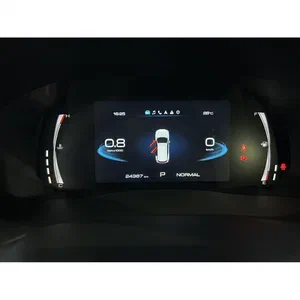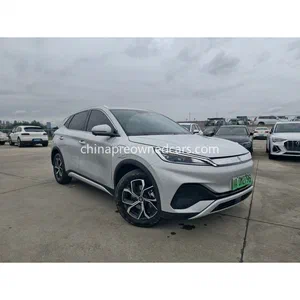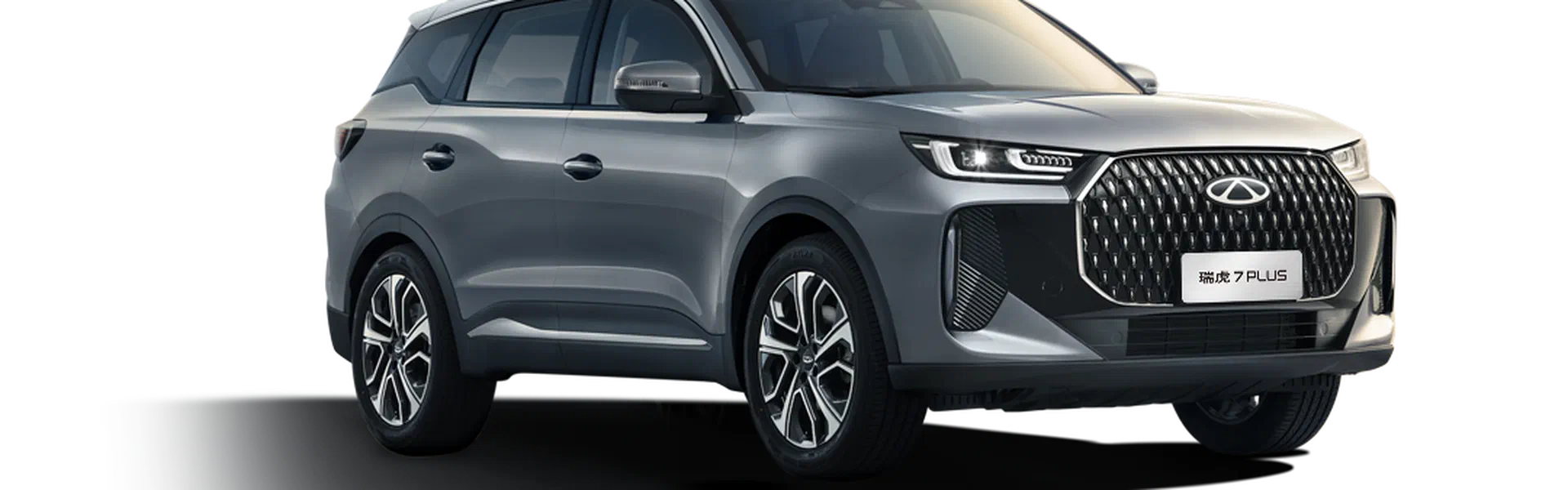
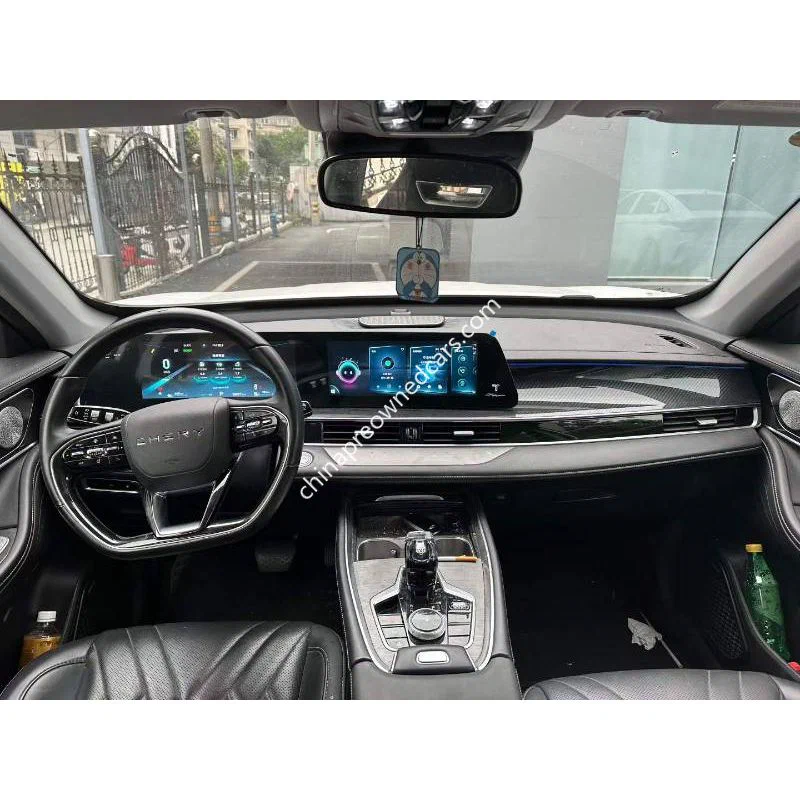
Exporting electric vehicles from China involves several technical and practical considerations that buyers should understand. Buyers need to evaluate the battery state-of-health, charging connector compatibility, and transport regulations that apply to electric vehicles. The assessment of battery health is crucial, as it directly impacts vehicle performance and resale value. Ensuring that the battery’s capacity remains sufficient for the intended market is a key factor, particularly for models like the BYD Atto 3 and Chery Tiggo 8 Pro.
Charging infrastructure is another important aspect to consider. Different countries utilize various charging standards, such as GB/T, CCS, and CHAdeMO. Buyers should confirm which charging standards are accepted in their target markets, such as Ghana or Kenya, to ensure compatibility. Understanding the local charging network will help determine the feasibility of integrating electric vehicles into the existing infrastructure, which is essential for the success of these vehicles in new markets.
Additionally, regulations surrounding battery transport need to be adhered to. Electric vehicles are classified as dangerous goods under UN 3480, requiring specific handling and packaging for shipment. This may involve obtaining special export licenses and ensuring compliance with hazardous materials regulations. Buyers should be prepared to navigate these requirements to facilitate smooth export processes.
When sourcing used electric vehicles, assessing the impact of range and battery degradation is essential. As batteries age, their capacity diminishes, which can affect the vehicle’s range and overall usability. Buyers should verify the vehicle’s mileage and battery history through pre-purchase inspections and VIN verification. This diligence helps in making informed purchasing decisions, especially when considering the resale potential in markets that favor vehicles with lower battery degradation.
Export logistics also play a vital role in the process. Buyers must decide between RoRo (Roll-on/Roll-off) and container shipping methods. Each method comes with specific documentation requirements and cost implications. RoRo shipping is generally more straightforward for vehicles, while container shipping offers added protection but may involve higher costs. Understanding the nuances of these options will help buyers select the most efficient method for their needs.
Finally, after-sales support should not be overlooked. Establishing a reliable network for service and maintenance in the destination market is crucial for enhancing customer satisfaction and ensuring the longevity of the vehicles. Buyers should consider partnerships with local service providers to facilitate ongoing support, which can influence repeat business and customer loyalty in the competitive used vehicle market.

FAQ
Q: What should I check before purchasing an electric vehicle for export?
A: Buyers should verify the battery health, charging standards, and the vehicle’s overall condition through inspections and VIN checks.
Q: How long does the shipping process usually take?
A: Shipping lead times typically range from 15 to 25 days, depending on the chosen method and destination.