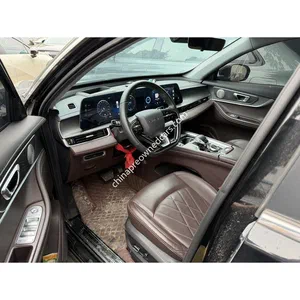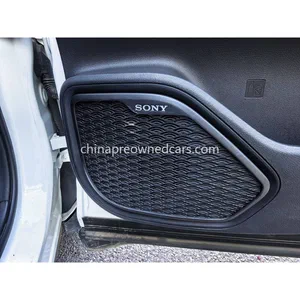

Electric SUVs are increasingly popular in East Africa due to their suitability for the region’s road conditions and climate. Models like the BYD Atto 3, Chery Tiggo 7 Plus, Chery Tiggo 8 Pro, Geely Coolray, and Haval H6 are prime candidates for export. These vehicles not only align with the growing emphasis on sustainable transport but also meet various practical requirements for buyers in markets such as Ghana, Nigeria, Kenya, Uganda, and Tanzania.
East African countries often require vehicles to be left-hand drive, which aligns with the inventory available for export. Additionally, buyers should consider the age limits and emission standards set by each destination market, as these can vary widely. While used vehicles are popular, confirming the current regulations regarding vehicle age and emissions is essential before making a purchase. Some countries might impose restrictions that can affect the import of certain models, especially older ones or those not meeting specific emission norms.

Terrain in East Africa can be challenging, with a mix of urban and rural roads. Electric SUVs are beneficial in this context, as they offer better handling and performance on rough surfaces compared to smaller cars. Moreover, many of these vehicles come equipped with features that enhance their off-road capabilities. Buyers should examine specifications like ground clearance, battery range, and charging options, especially in areas where charging infrastructure is still developing. It is crucial to assess how to test a used car before buying to ensure the vehicle’s suitability for these conditions.
Export procedures play a significant role in the purchasing process. Before shipment, vehicles must undergo pre-shipment inspections to ensure compliance with export regulations. The logistics of shipping can involve RoRo (Roll-on/Roll-off) or container shipping, depending on the vehicle’s nature and destination. Proper documentation is vital, including export licenses and customs clearance paperwork, to facilitate smooth entry into the destination country. Buyers should also be aware of the typical shipping lead times, which can generally range from 15 to 25 days.
Lastly, buyers should prioritize thorough quality assessments before finalizing their purchase. This includes verifying the vehicle’s condition, asking for maintenance records, and checking battery health, especially for electric models. Payment terms should be clear, with options typically available for various transaction methods. After-sales support, including warranty and service availability, is another critical factor that can influence the overall ownership experience. Understanding these aspects can help buyers make informed decisions and ensure their chosen vehicle fits their needs.
FAQ
Q: What should I check when buying a used SUV for East Africa?
A: Buyers should verify the vehicle’s condition, maintenance history, and ensure it meets local emission and age regulations. It’s also important to assess battery health for electric vehicles.
Q: How does the shipping process work for used vehicles?
A: Vehicles need to undergo pre-shipment inspections and must have proper documentation for customs clearance. Shipping can be done via RoRo or container, with typical lead times ranging from 15 to 25 days.
Q: What are the common import regulations for East African countries?
A: Import regulations can vary by country, but common factors include left-hand drive requirements, age limits, and emission standards. Buyers should confirm the latest regulations for their specific destination.