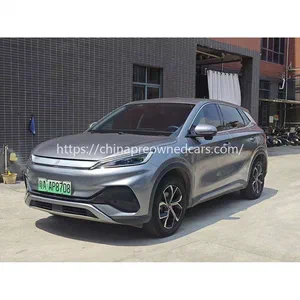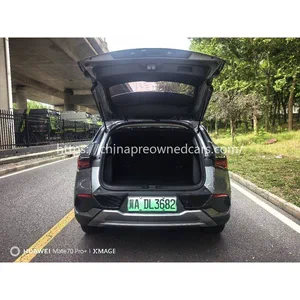
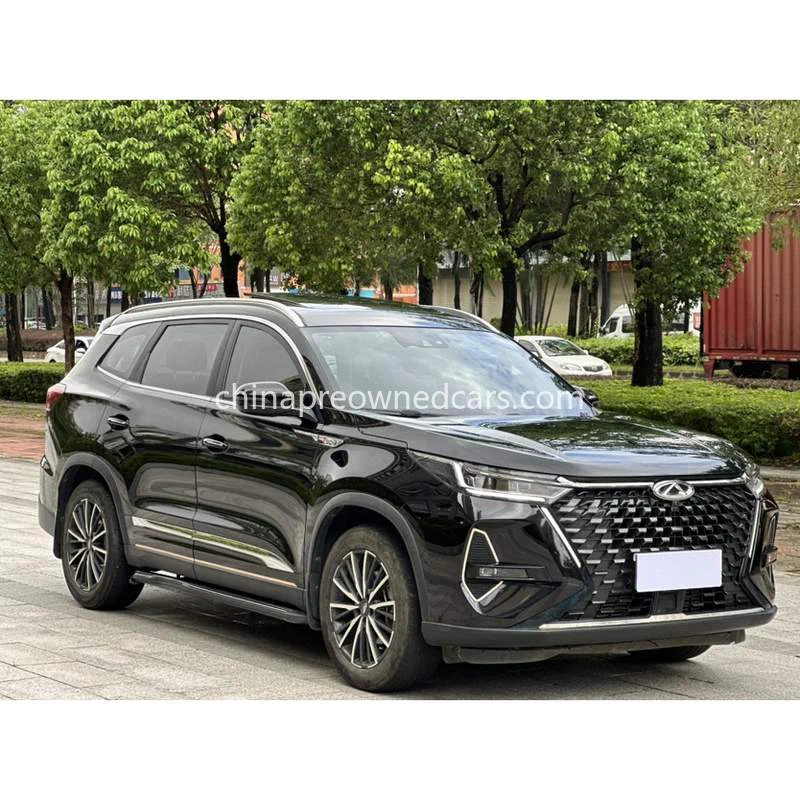
The BYD Atto 3 can suit buyers seeking a used electric SUV for export from China, provided its battery condition, charging compatibility and destination-market compliance are checked before purchase. For importers in Ghana, Nigeria, Kenya, Uganda and Tanzania, the main decision is whether the vehicle’s remaining range, local service options and landed cost fit its intended use.
Powertrain, range and operating costs
The BYD Atto 3 is a battery-electric SUV with front-wheel drive, so it has no petrol engine, exhaust emissions or conventional fuel consumption. Its driving range depends on battery version, original specification, battery degradation, speed, climate and air-conditioning use. Published range figures should not be treated as the distance a used vehicle will achieve on every charge. Buyers should request the exact battery capacity and original specification, then compare them with an independent battery assessment.
Electricity costs may be lower than petrol costs for some driving patterns, but the comparison depends on local tariffs, charging access and annual mileage. The Atto 3 is best assessed for routes where regular charging is practical. Buyers planning frequent long-distance travel should map charging points along the intended routes before committing to a shipment.
Condition grading and battery checks
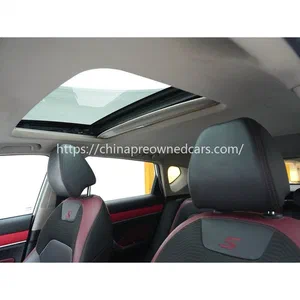
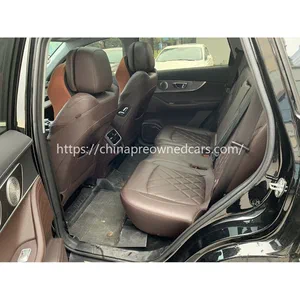
A used Atto 3 needs a different inspection process from a petrol SUV. Exterior grading can identify paint damage, dents, glass defects and signs of accident repair, while interior checks cover seat wear, warning lights, climate control and infotainment functions. These findings help establish a vehicle’s physical condition, but cosmetic grading alone says little about the battery’s remaining capacity.
Battery state of health is a central purchasing factor. Ask for a diagnostic report showing available battery-health data, stored fault codes and any recorded charging or thermal-management issues. Confirm that the charging port works, the vehicle accepts a charge and the onboard charging equipment operates correctly. Where possible, arrange an independent diagnostic check and a road test. Mileage and service records should be cross-checked against the vehicle identification number (VIN); neither low mileage nor a clean exterior proves that the battery is in good condition.

Suitability for African import markets
For buyers in Ghana, Nigeria, Kenya, Uganda and Tanzania, road conditions and charging arrangements should guide vehicle selection. The Atto 3’s SUV body and front-wheel-drive layout suit many paved urban and suburban routes, but it is not a substitute for a dedicated off-road vehicle. Poor surfaces, deep water and repeated heavy impacts can damage tyres, suspension components or the battery enclosure. Inspect the underbody carefully, especially if the vehicle has been driven on rough roads.
Service support needs equal attention. Before ordering, identify workshops that can diagnose BYD electric vehicles and source compatible replacement parts. Check local access to tyres, suspension components, charging equipment and model-specific electronic parts. A vehicle may be mechanically sound yet costly to maintain if specialist diagnostics or replacement components take a long time to obtain. Buyers comparing used cars for sale low price should calculate likely maintenance and charging costs alongside the purchase price rather than selecting solely by the initial quotation.
Drive side and export compliance
Most vehicles in China’s domestic market are left-hand drive (LHD), including many examples of the Atto 3. This can limit suitability in markets where right-hand-drive vehicles are required or preferred. Importers should confirm the current rules on steering position, vehicle age, roadworthiness and applicable standards with the destination country’s authorities or a licensed customs professional before payment.
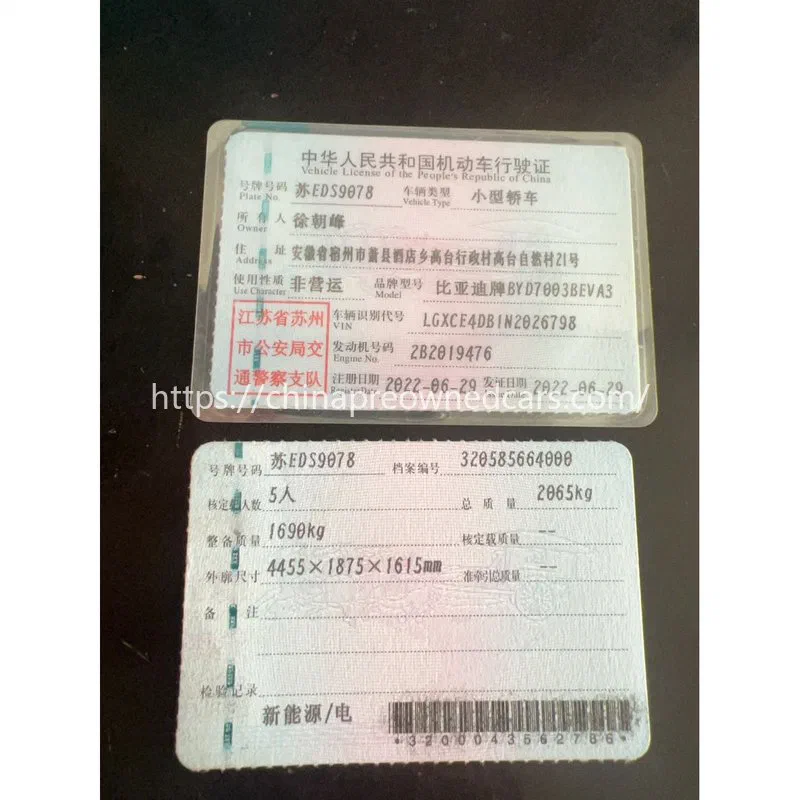
The Atto 3 has no tailpipe emissions, but that does not automatically exempt it from vehicle-import requirements. Documentation, registration eligibility and any applicable inspection rules still need confirmation. The exporter should verify the vehicle’s identity and prepare the required export documents, while the buyer confirms the destination’s current import conditions.
Shipping also affects the buying decision. RoRo transport is generally suited to vehicles that can be driven or moved aboard the vessel, while container shipping can provide enclosed transport and may suit shipments requiring additional protection. The best option depends on route availability, handling arrangements, cargo requirements and total cost. Used EVs also require appropriate handling procedures for their high-voltage batteries, particularly if damage is suspected.
FAQ
Q: What battery information should be requested before buying a used BYD Atto 3?
A: Request the battery specification, a recent diagnostic report, available state-of-health data, fault-code results and evidence that the charging system works. An independent inspection is preferable to relying on mileage or seller statements alone.
Q: Can a used BYD Atto 3 be exported to Ghana, Nigeria, Kenya, Uganda or Tanzania?
A: Export may be possible, but eligibility depends on the destination’s current import regulations, steering-position rules, vehicle documentation and inspection requirements. Confirm these conditions before purchase and arrange the necessary export licensing, customs declaration, inspection and shipping documents.