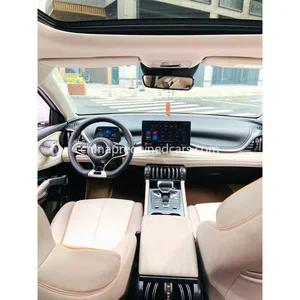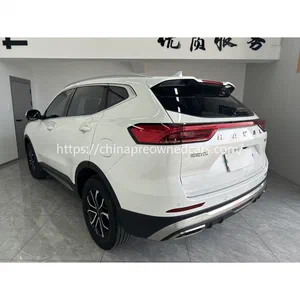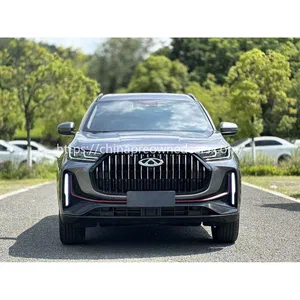
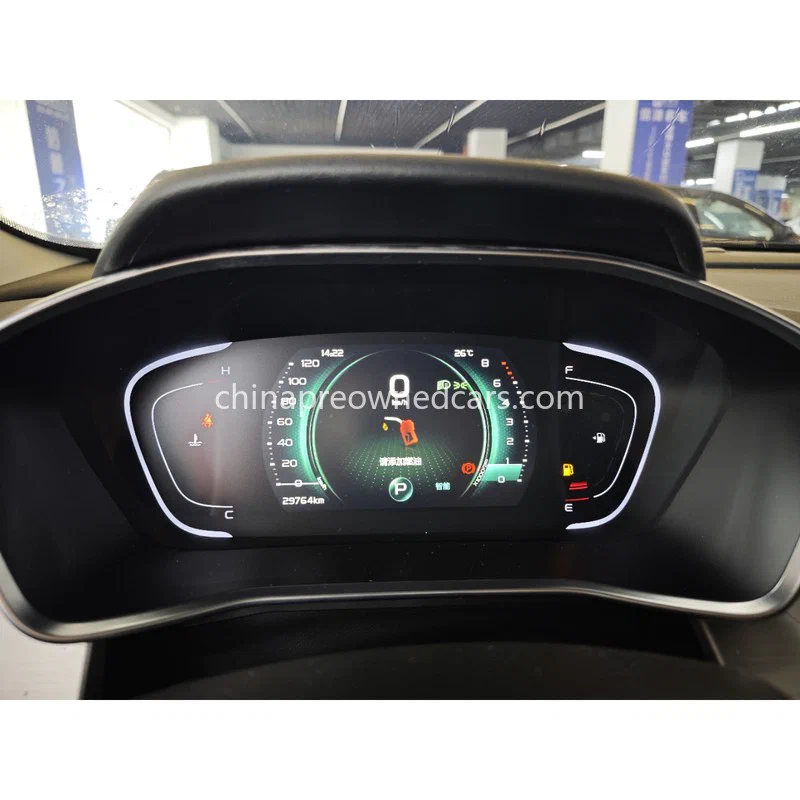
For importers in West Africa and North Africa, the difference between used vehicles and certified used vehicles comes down to inspection standards, documentation, and purchasing confidence. When buying left-hand-drive vehicles from China, dealers and fleet buyers should compare not only the vehicle price but also shipping, customs duty, landed cost, and expected resale value.
Used vehicles vs certified used vehicles
A regular used vehicle is sold based mainly on its age, mileage, condition, and market price. The inspection level can vary widely depending on the exporter or supplier. Buyers usually need to complete their own due diligence by checking accident history, service records, mileage accuracy, mechanical condition, and export documents before shipment.
Certified used vehicles follow a stricter process. Before export, the vehicle is usually inspected against defined standards covering engine performance, transmission, electrical systems, body condition, safety features, and maintenance history. A certification report gives importers clearer information about what they are purchasing and reduces the risk of unexpected repair costs after arrival.
Impact on import costs and business decisions
For Ghana, Nigeria, and other African markets, the cheapest purchase price is not always the lowest-cost option. A lower-priced used vehicle may require additional spending on repairs, spare parts, workshop labor, or preparation before resale. These costs can increase the final landed cost after adding freight, insurance, customs clearance, and import duty.
Certified used vehicles often have a higher FOB or CIF price because inspection and preparation are included. However, the improved condition can help dealers reduce after-sales issues and improve customer trust. For fleet buyers, better inspection records can also support longer service life and more predictable total cost of ownership.

Choosing the right option from China
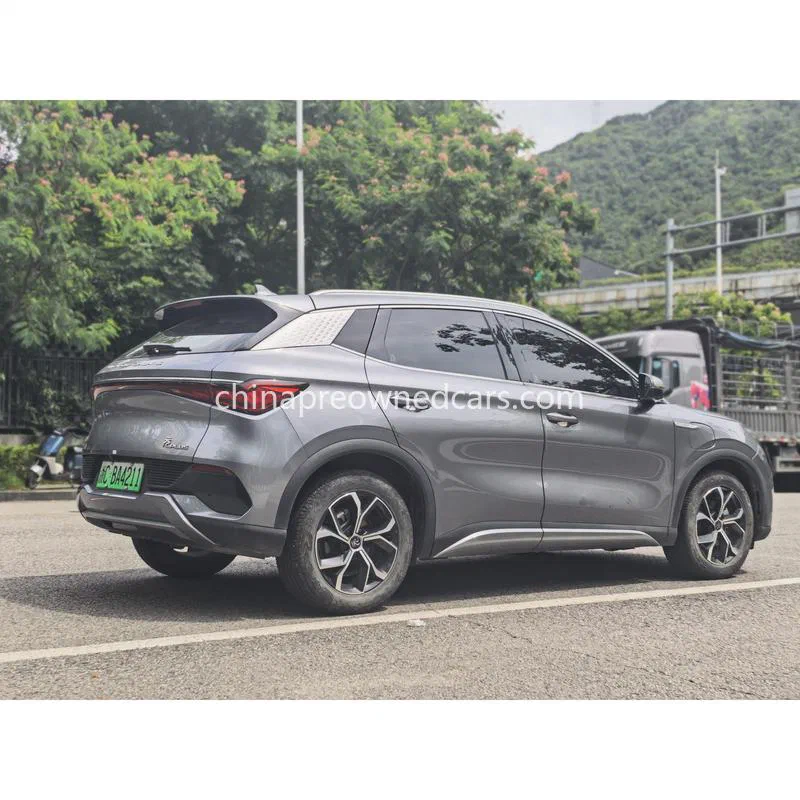
When sourcing Chinese left-hand-drive vehicles, buyers should match the vehicle type with their market needs. Popular choices for African roads often include SUVs and fuel-efficient models with good ground clearance, reliable parts availability, and strong resale demand. A certified used SUV may be a better investment than a cheaper vehicle that requires frequent maintenance.
Before signing a purchase contract, importers should request key documents such as the inspection report, vehicle history details, commercial invoice, packing information, and bill of lading arrangements. Clear payment terms and shipping agreements, including FOB or CIF terms, help avoid misunderstandings during export and port clearance.
The best choice depends on your business model. Dealers focused on competitive pricing may select carefully inspected used vehicles, while buyers prioritizing reliability and customer satisfaction may prefer certified used vehicles. Evaluating condition, documentation, shipping costs, and local demand together leads to better purchasing decisions.
FAQ
Q: Are certified used vehicles more expensive to import from China? A: Yes, they usually have a higher purchase price because they include inspection and quality checks. The higher upfront cost may reduce repair expenses after arrival.
Q: Do certified used vehicles avoid import duty in Ghana or Nigeria? A: No. Certification does not remove customs duties or taxes. Importers still need to calculate duty, clearance fees, and other landed costs.
Q: Are all exported vehicles from China left-hand drive? A: For markets requiring LHD vehicles, exporters supply left-hand-drive units that meet local market requirements and buyer specifications.