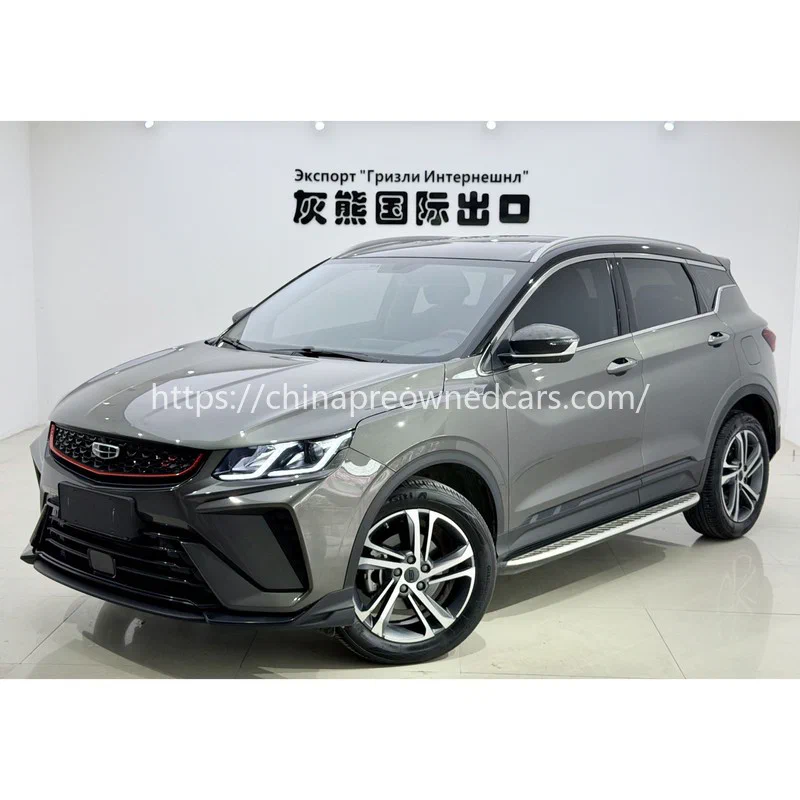
Buying a 2nd hand car for import from China requires more than checking the purchase price. Dealers and fleet buyers in Ghana, Nigeria, and North Africa need to evaluate vehicle condition, shipping options, customs costs, and final landed cost before committing to a deal.
Check vehicle condition before purchase
A low-priced used car can become expensive if hidden problems appear after arrival. Always review the vehicle’s inspection report, accident history, mileage records, and service history before payment. For Chinese used cars, confirm that the mileage is genuine and check key components such as the engine, transmission, suspension, air conditioning, and electronic systems.
For African markets, vehicle suitability is also important. Left-hand-drive (LHD) configuration is required for many target markets, so importers should confirm the steering position before shipment. Buyers should also consider ground clearance, fuel economy, spare parts availability, and whether the model matches local customer demand.
Calculate the true landed cost
The buying price in China is only one part of the investment. Importers should calculate the complete landed cost, including vehicle price, inland transport in China, export fees, freight cost, insurance, customs clearance, import duty, port charges, and local delivery expenses.
Shipping terms can significantly affect the final cost. Under FOB arrangements, buyers usually manage ocean freight separately, while CIF includes freight and insurance to the destination port. Understanding these terms helps avoid unexpected charges and allows more accurate price comparisons between suppliers.
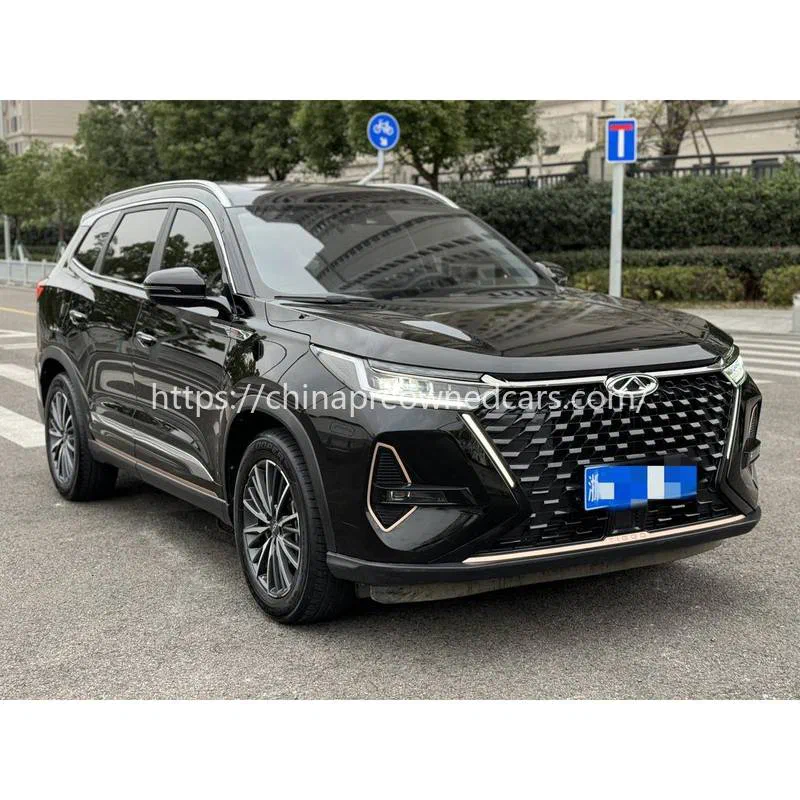
For Ghana, Nigeria, and North African markets, customs regulations and duty rates vary by country, vehicle age, engine size, fuel type, and other factors. Before purchasing large quantities, dealers and fleet operators should confirm estimated import duty and port clearance costs to avoid cash flow problems.
Choose vehicles with strong market potential
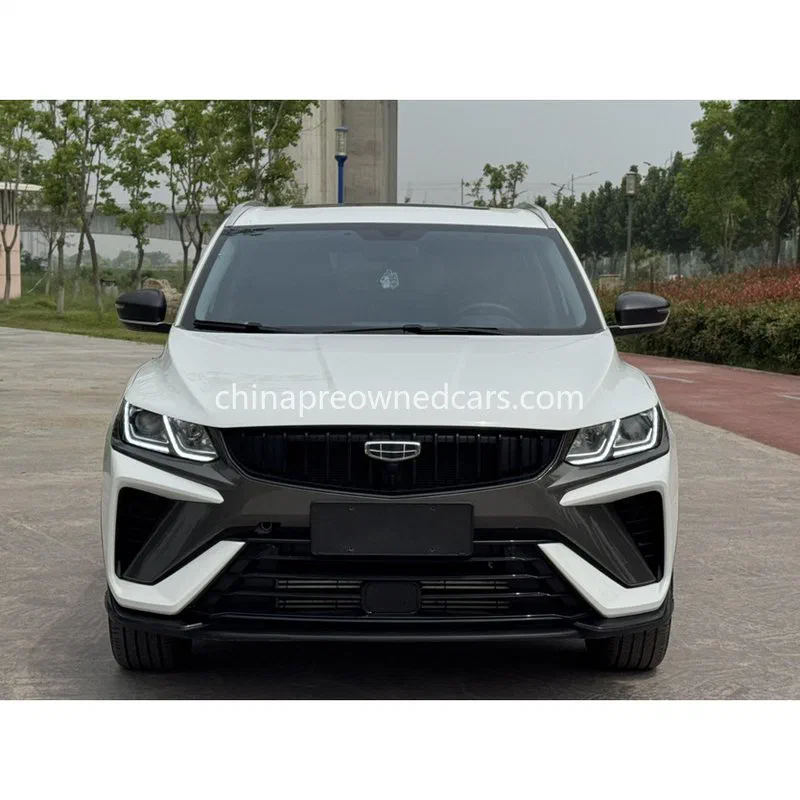
The best used cars are not always the cheapest options. Importers should focus on models with reliable demand, good resale value, and reasonable total cost of ownership. SUVs, family vehicles, and fuel-efficient models often perform well in markets where road conditions and operating costs are important factors.
When selecting vehicles from China, buyers should compare model reliability, maintenance requirements, and after-sales support. A vehicle that is easy to maintain and has accessible spare parts can provide better long-term returns than a cheaper model with limited support.
Before finalizing a purchase, confirm export documentation, payment terms, and shipping arrangements with the supplier. Important documents include the commercial invoice, vehicle information, export certificate, and bill of lading. Careful due diligence before shipment reduces risks and helps importers build a stable supply chain.
FAQ
Q: What should I check first when buying a used car from China? A: Start with vehicle history, inspection results, mileage verification, and mechanical condition. Confirm the vehicle is left-hand drive and suitable for your target market.
Q: How do I calculate the final cost of an imported used car? A: Add the purchase price, freight, insurance, import duty, customs charges, port fees, and local transport costs to estimate the landed cost.
Q: Are cheaper used cars always better for import businesses? A: Not always. Models with strong demand, reliable parts supply, and good resale value often provide better returns than the lowest-priced vehicles.
Related Articles
 How to Buy Used Cars From China Without Flying to Guangzhou
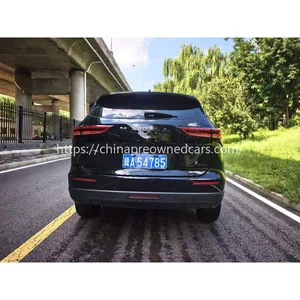 Best way to buy a used car through reliable sourcing channels from China for Ghana Nigeria buyers
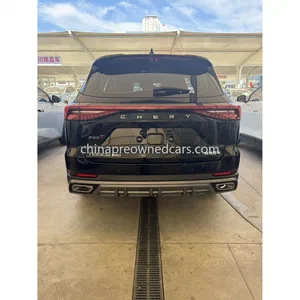 Best pre owned automobiles sourcing strategies for global buyers and vehicle dealers
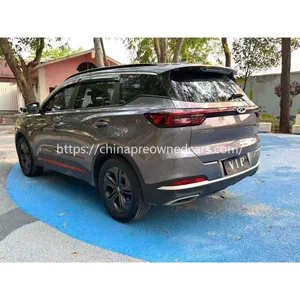 Dealership second hand cars sourcing guide for international buyers importing from China