
Used car export buyers often ask what makes a vehicle suitable for overseas resale and long-term operation. The answer depends on verified condition, inspection results, maintenance records, and whether the vehicle matches the destination market requirements. This guide explains how export-grade used vehicles are assessed before shipment from China.
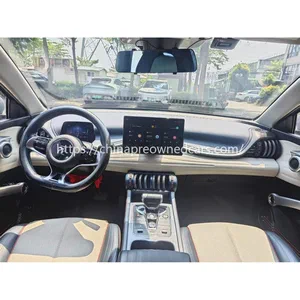
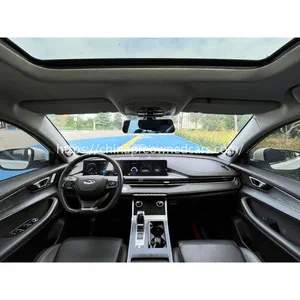
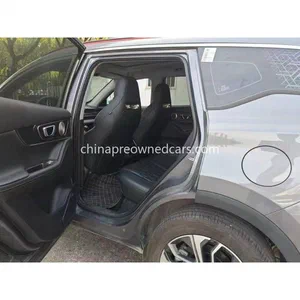
A quality assessment starts with a condition grade that separates visible appearance from mechanical status. Cosmetic checks cover paint condition, panel repairs, interior wear, glass, lights, tires, and signs of previous use. Mechanical assessment focuses on engine or electric drive systems, suspension, brakes, steering, transmission where applicable, and electronic functions. Mileage is reviewed as one factor, but it should be checked together with service history and vehicle usage records rather than treated as the only measure.
How used vehicle grading works
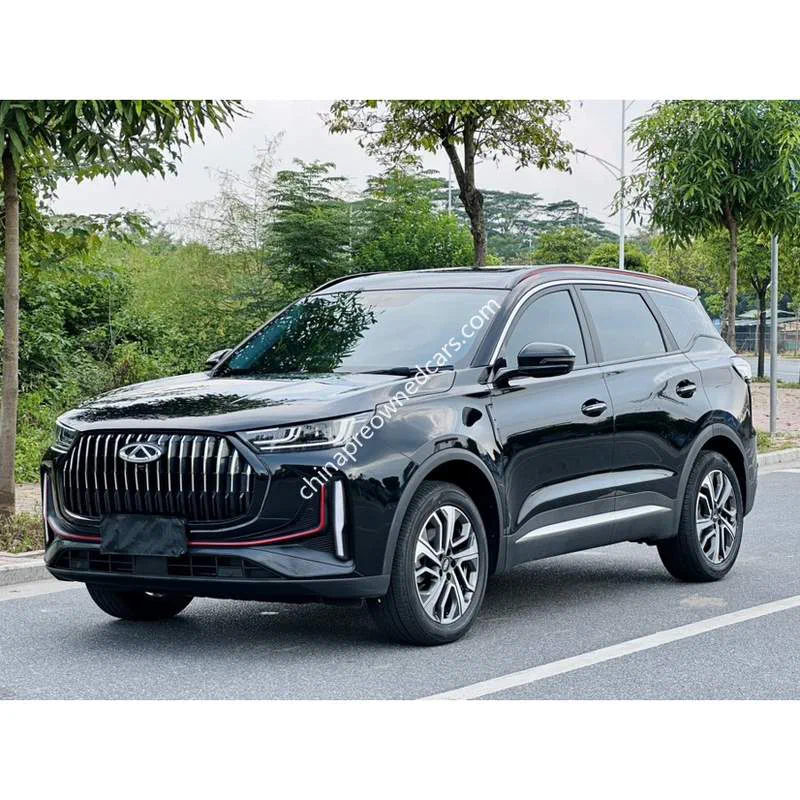
For Chinese-brand SUVs such as BYD Atto 3, Chery Tiggo 7 Plus, Chery Tiggo 8 Pro, Geely Coolray, and Haval H6, export buyers usually review three main areas: appearance, operation, and documentation. A vehicle with clean exterior condition but incomplete maintenance information may require additional verification. A vehicle with higher mileage but consistent service records can sometimes provide a clearer ownership history than one with limited records.
Inspection before purchase should identify both strengths and limitations. A professional check can confirm current vehicle condition, identify visible damage, review diagnostic information, and record important details through photos or inspection documents. It cannot predict every future repair requirement or guarantee how a vehicle will perform after arrival in another country. Buyers should treat inspection reports as evidence of current status, not as a promise of future condition.
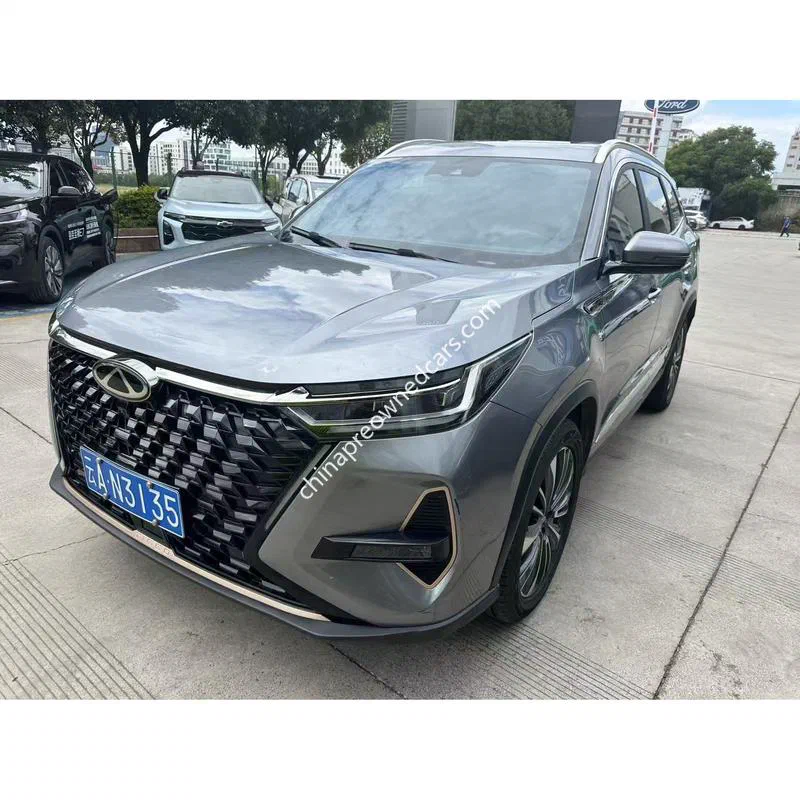
The term export-grade is often used in the used vehicle trade to describe vehicles selected for international sale after internal review. In practice, it usually means the vehicle has passed required checks for export preparation and has documentation suitable for shipment. It does not mean the vehicle is new or free from all previous use. Dealer-grade vehicles should also be reviewed through actual inspection records, VIN verification, service documents, and communication with the exporter.
What buyers should verify before shipment
A buyer evaluating what are good cars to buy used should look beyond the model name. Verification should include the vehicle identification number, ownership history where available, maintenance records, accident repair information, and inspection photos. The buyer should also confirm whether the vehicle specification fits the destination market, including left-hand drive requirements, charging compatibility for electric vehicles, and local road conditions.
Electric and hybrid SUVs require additional checks compared with combustion vehicles. For models such as BYD Atto 3, battery condition is a key inspection point. Battery state of health, charging performance, warning messages, and battery-related records should be reviewed before purchase. Battery transport and handling requirements may also affect export preparation, especially for electric vehicles shipped internationally.
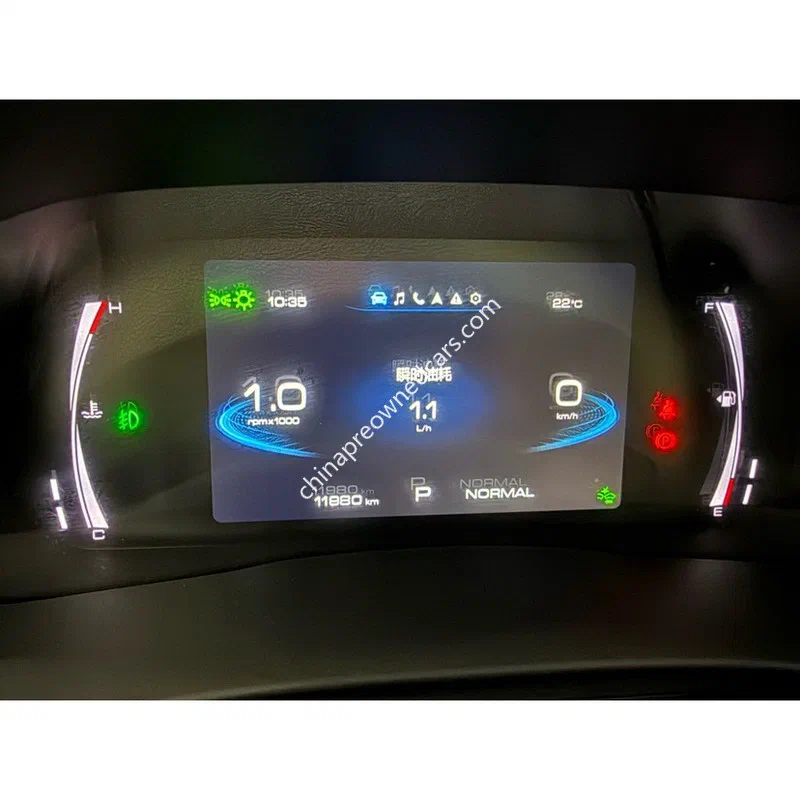
Mileage review requires context. Very low mileage does not automatically indicate better value, and higher mileage does not always mean poor condition. Buyers should compare mileage with service intervals, inspection findings, interior wear, and available records. Warning signs include inconsistent mileage information, missing maintenance history, serious structural repairs, water damage indicators, unusual dashboard warnings, and incomplete export documentation.
Export preparation and destination checks

After vehicle selection, Chinese used vehicle exports involve several procedures. The exporter handles export licensing, customs declaration, required documentation, and pre-shipment inspection before the vehicle leaves China. Shipping is arranged through methods such as RoRo transport or container shipping, depending on vehicle type, route, and buyer requirements. Documentation normally includes vehicle ownership and export-related paperwork required for customs and destination processing.
Destination rules must be checked before purchase because they differ between countries. Markets such as Ghana, Nigeria, Kenya, Uganda, and Tanzania may have their own requirements for vehicle age, emission standards, drive side, roadworthiness, and import procedures. Most vehicles sourced from China are left-hand drive, so buyers in markets that require right-hand-drive vehicles need to confirm availability before placing an order.
Condition verification also affects after-sales planning. Before shipment, buyers can request inspection records, vehicle images, technical details, and export documents for review. After arrival, local registration, maintenance support, spare parts access, and charging infrastructure should be considered. A suitable export vehicle is not only one that passes inspection but also one that fits the operating environment where it will be used.
The final purchasing decision should be based on documented information rather than general descriptions. Exporters and buyers should agree on inspection scope, payment terms, shipping arrangements, and responsibilities before shipment begins. Clear communication reduces misunderstandings and helps ensure the selected vehicle matches the buyer’s business needs and local regulations.
FAQ
Q: What does export-grade mean for a used vehicle? A: Export-grade usually refers to a used vehicle selected for export preparation after inspection and document review. It describes the preparation standard, not a guarantee that the vehicle has no previous use or future repairs.
Q: How can buyers check a used car before importing it? A: Buyers can review VIN information, inspection reports, service records, photos, and diagnostic results where available. They should also confirm destination requirements before purchase.
Q: Are used electric vehicles checked differently from fuel vehicles? A: Yes. Electric vehicles require additional checks for battery state of health, charging performance, and battery-related transport considerations. These checks are separate from normal vehicle condition inspections.