The BYD Atto 3 has become a notable option for exporters focusing on electric vehicles. With its competitive specifications, practical design, and suitability for diverse road conditions, this model meets key requirements for markets in Africa, the Middle East, and South America.
Key Specifications and Export Features
The BYD Atto 3 is equipped with an electric powertrain that delivers a range of approximately 420-480 km on a single charge under WLTP conditions. This makes it viable for long-distance travel, even in regions with sparse charging infrastructure. Its left-hand drive configuration aligns with the road systems in target export countries like Ghana, Nigeria, and Kenya. The vehicle complies with stringent emission standards, making it suitable for markets that are transitioning toward more environmentally friendly automotive solutions.
Additional features such as a front-wheel drive system and a 60.5 kWh battery pack provide both stability and sufficient energy storage for urban and intercity driving. Buyers should note that charging compatibility is critical; the Atto 3 typically supports Type 2 and CCS2 connectors, common in many global markets but requiring verification for specific regions.
Typical Condition Grading for Used BYD Atto 3 Units
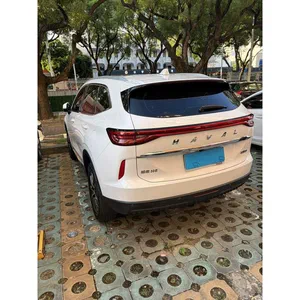
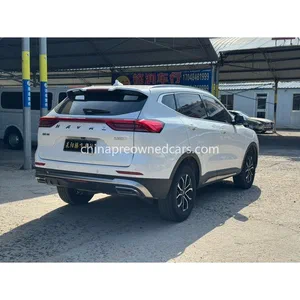
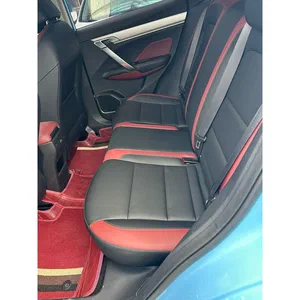
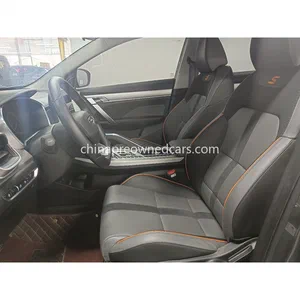
Exported BYD Atto 3 models often undergo condition grading based on mileage, exterior wear, and battery state-of-health (SOH). Low-mileage units with minimal exterior damage and an SOH above 85% are considered premium-grade options. Used models may show light wear but generally maintain functionality due to the durability of electric drivetrains. Buyers are advised to request detailed inspection reports, including photographs and VIN verification, before finalizing their purchase.
Practical Advantages for Destination Markets
The BYD Atto 3’s design and features suit the needs of export markets. Spare parts and servicing for BYD vehicles are increasingly available in regions like Africa, thanks to growing networks of authorized service centers. Additionally, the vehicle’s ground clearance and robust suspension system allow it to perform well on uneven road surfaces commonly found in both urban and rural areas of emerging markets.
Another advantage lies in the vehicle’s energy efficiency, which reduces operational costs for end-users. This is particularly important in countries where electricity is more affordable than conventional fuels, further enhancing the economic appeal of electric vehicles.
What Buyers Should Verify Before Purchase
Before committing to a purchase, buyers should ensure the vehicle complies with the import regulations of their destination country. Key factors to confirm include the maximum allowable vehicle age, emission standards, and any specific requirements for electric vehicles. Obtaining a detailed pre-shipment inspection report is crucial for assessing the vehicle’s condition, especially the battery’s SOH, as it directly affects the performance and resale value of electric vehicles.
Buyers should also verify the vehicle’s service history and confirm that the provided documentation, such as the export license and customs clearance papers, is complete and accurate. For added assurance, working with an experienced exporter who understands the nuances of “china ev export documentation” can simplify the process.

Shipping and Export Logistics
The BYD Atto 3 can be shipped via RoRo (roll-on/roll-off) or container transport. RoRo is typically more cost-effective and suitable for standard shipping requirements, while container shipping offers added protection during transit. Exporters like chinapreownedcars.com handle all aspects of shipping, including customs clearance and the required documentation for destination markets. Shipping lead times vary depending on the destination, with typical transit durations ranging from three to six weeks.
After-Sales Support and Maintenance
While the BYD Atto 3 is known for its reliability, buyers should consider the availability of after-sales support in their region. Access to authorized service centers and spare parts can significantly impact the vehicle’s long-term usability. Investing in an extended warranty, where available, may also provide added peace of mind.
Market-Specific Considerations
Each destination market has unique requirements that buyers must consider. For example, some African nations may impose stricter vehicle age limits, while others prioritize emission compliance or roadworthiness standards. Buyers should consult local import authorities or a trusted exporter to ensure full compliance with these regulations. For electric vehicles, the availability of charging infrastructure should also be a key consideration.
FAQ
Q: What should I check in the pre-shipment inspection report for a used BYD Atto 3?
A: Pay close attention to the battery state-of-health, mileage, and any documented repairs or damages. Confirm the VIN and ensure all regulatory compliance is met for your market.
Q: Is the BYD Atto 3 suitable for markets with limited charging infrastructure?
A: Yes, the vehicle’s range allows for flexibility in regions with fewer charging stations. However, confirm local charging compatibility and availability before purchase.