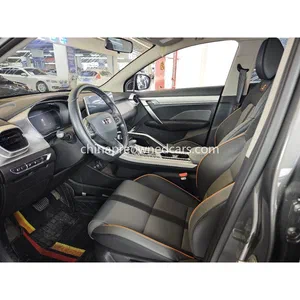
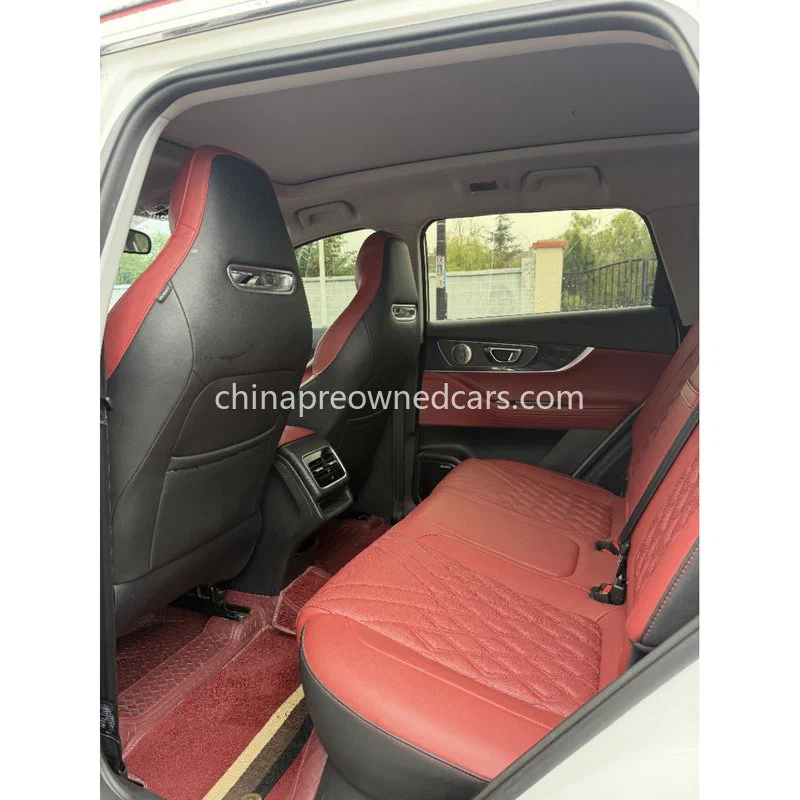
A secondhand car is a vehicle that has already been owned and used before being sold again. For importers in West Africa and North Africa, buying a secondhand car from China means choosing a tested vehicle at a lower purchase cost while carefully checking condition, shipping, customs, and final landed cost.
Understanding a secondhand car for import business
A secondhand car is not simply an old vehicle. A properly sourced used car can be a reliable business asset when its mileage, service records, accident history, and mechanical condition are verified before export. Chinese used vehicles are increasingly attractive to dealers and fleet buyers because they offer modern features, competitive pricing, and a wide range of models.
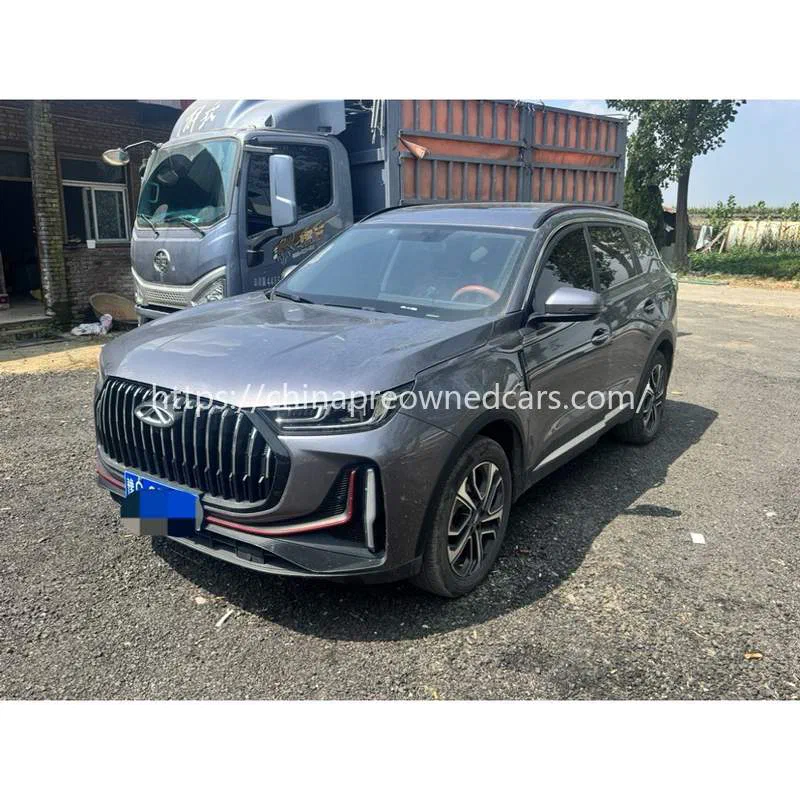
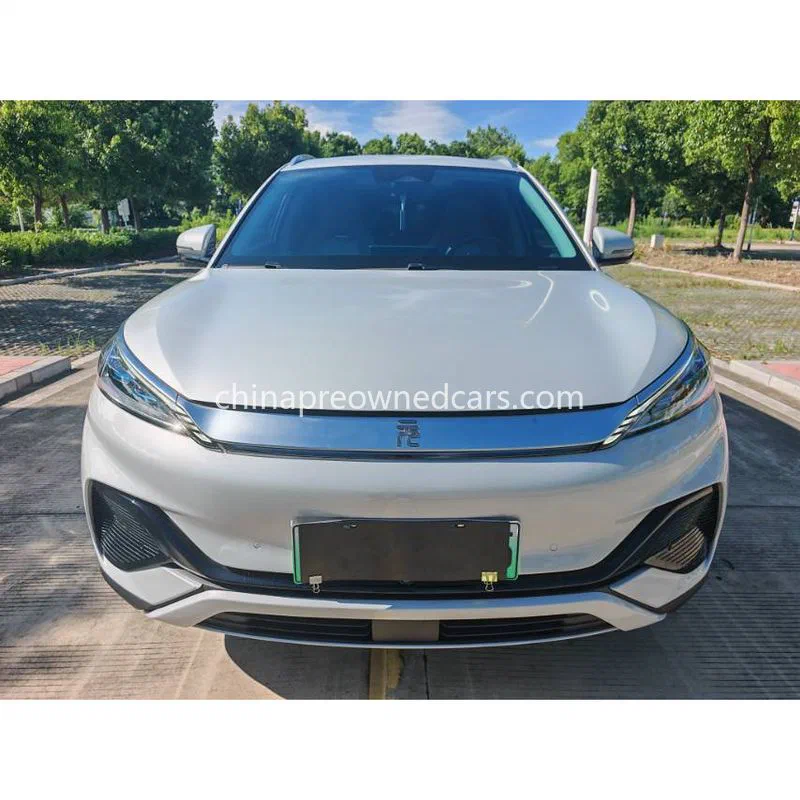
All vehicles exported by our company are left-hand drive, making them suitable for markets where LHD vehicles are required. Popular choices include SUVs, sedans, and electric vehicles that match customer demand in countries such as Ghana and Nigeria. The key is not only the purchase price but the vehicle’s condition and expected resale value after arrival.
What importers should check before buying
Before confirming a purchase, professional buyers should review:

- Vehicle inspection reports and photos or videos of the actual unit
- Mileage accuracy and service history
- Previous repairs, accident records, and overall body condition
- Availability of spare parts and local maintenance support
- Estimated shipping method, freight cost, customs fees, and port charges
A low-cost vehicle can become expensive if hidden repairs, delayed clearance, or difficult parts sourcing increase the total cost. Experienced importers calculate the complete landed cost before placing an order.
Shipping and landed cost considerations
The final price of a secondhand car includes more than the supplier’s quotation. Importers need to consider export documentation, shipping terms such as FOB or CIF, ocean freight, insurance if applicable, import duty, taxes, and port clearance charges.
For Ghana, Nigeria, and North African markets, regulations and duty calculations vary by country and vehicle type. Dealers should work with accurate documents, including the bill of lading, commercial invoice, and vehicle information, to avoid unnecessary delays.
A reliable exporter helps buyers compare different vehicles based on total cost of ownership, not only the purchase price. A slightly higher-priced car with better maintenance history may deliver stronger resale performance and fewer after-sales problems.
Choosing the right secondhand vehicle
First-time importers should focus on market demand, fuel economy, durability, and customer preferences. A vehicle with good ground clearance, affordable maintenance, and strong resale value is often more suitable for African roads and business operations.
The right secondhand car is one that balances purchase price, condition, shipping expenses, and long-term ownership value.
FAQ
Q: Are secondhand cars from China reliable for Ghana and Nigeria? A: Yes, when vehicles are properly inspected and selected based on mileage, maintenance records, and overall condition.
Q: What costs should I calculate before importing a used car? A: Buyers should include vehicle price, shipping, freight, customs duty, taxes, port clearance, and any local preparation costs.
Q: Are Chinese exported vehicles left-hand drive? A: Yes, our exported vehicles are left-hand drive and selected for markets that require LHD vehicles.