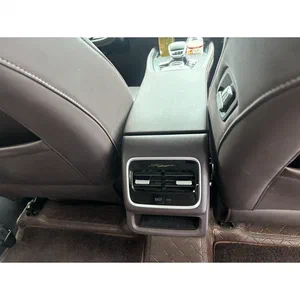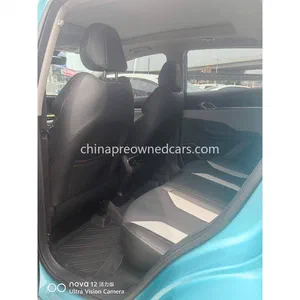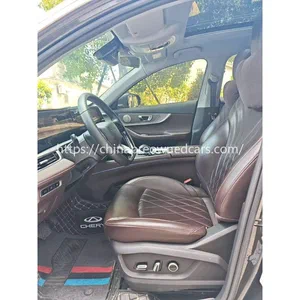
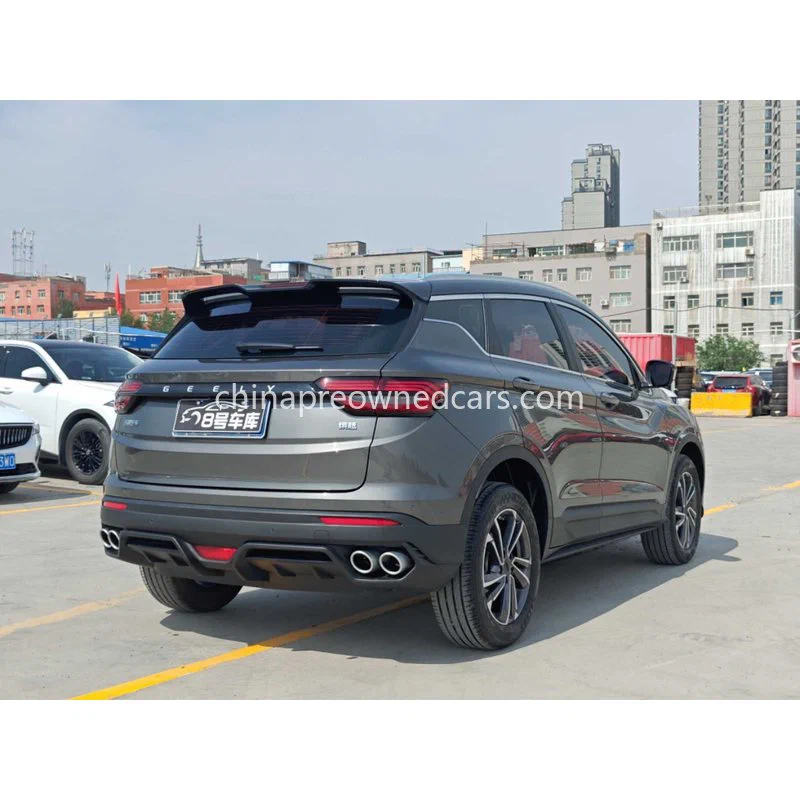
A used car inspection before export shipping checks the vehicle’s identity, mechanical condition, safety items, and export readiness. The inspection helps confirm what condition information should be provided to buyers before customs clearance and international transport.
For Chinese used vehicle exports, the inspection process normally begins with document and identity checks. The vehicle identification number, registration records, ownership documents, and available service records are reviewed to reduce the risk of mismatched information. Inspectors also check the exterior and interior condition, including paint, body panels, lights, glass, seats, dashboard functions, and signs of previous repairs. A condition report should describe findings clearly rather than present an assumption that every vehicle has the same history. Models such as BYD Atto 3, Chery Tiggo 7 Plus, Chery Tiggo 8 Pro, Geely Coolray, and Haval H6 require the same basic verification steps before export.
Main inspection areas before shipment

Mechanical checks focus on the systems that affect transport safety and future operation. The engine or electric drive system, transmission where applicable, brakes, suspension, steering, tires, and electronic functions are examined. For electric vehicles, the inspection includes battery-related information because battery condition affects vehicle use after arrival. Battery state of health, charging performance, and available battery records are important items for buyers to review. Hybrid vehicles also require checks of both the combustion system and electric components. Inspection results should be matched with the buyer’s destination requirements, since local rules may differ.
Export inspection also covers shipping preparation. Chinese used vehicle exporters must complete export licensing procedures, customs declaration, and pre-shipment inspection before shipment. The vehicle may be transported by RoRo shipping or loaded into a container, depending on the logistics arrangement and destination needs. Export documents generally include ownership-related paperwork, customs documents, and shipping records. Buyers importing vehicles into Ghana, Nigeria, Kenya, Uganda, or Tanzania should confirm local requirements for vehicle age, emission standards, drive side, and roadworthiness before purchase. Most Chinese domestic vehicles are left-hand drive, so right-hand-drive markets require specific sourcing arrangements.
What buyers should verify
A proper inspection report gives buyers a clearer view of the vehicle before payment and shipment. Important points include VIN verification, mileage records, previous repair information where available, photos of the vehicle, battery information for EVs, and the final inspection findings. A buyer should also confirm the exporter’s process for handling documentation, payment terms, shipping arrangements, and after-sales support. These checks are especially important for overseas transactions because the buyer usually cannot inspect the vehicle in person.

Inspection does not replace destination-country approval procedures. Import regulations change between markets, and customs authorities may apply different requirements depending on vehicle type and local policy. Before shipping, the exporter and buyer should confirm that the selected vehicle meets the destination’s current rules. For electric SUVs and hybrid SUVs, this includes checking charging compatibility, battery transport considerations, and local service availability where relevant. A clear inspection process helps both sides understand the vehicle condition before it leaves China.
FAQ
Q: What does a used car inspection check before export? A: It checks vehicle identity, condition, mechanical systems, safety items, battery information for EVs, and export documents. The purpose is to provide accurate information before shipping.
Q: Is an inspection enough to import a used vehicle? A: No. The destination country’s customs, import regulations, and roadworthiness requirements must also be confirmed before shipment.