
Ask an experienced importer what goes wrong and they will not describe dramatic fraud. They will describe a document that did not match, discovered at a port, while storage accrued daily.
Here are the five real failures, worst first.
1. The car is refused entry
The newest and most serious risk, and the only one with no recovery path at the destination.
From 1 October 2026, Ghana prohibits importation of used vehicles that are flood-damaged, fire-damaged, carrying chassis or safety-cage damage, assembled from spare parts, without a kilometre-per-hour speedometer, or over fifteen years old. Each unit requires a Certificate of Conformance issued in the country of origin by a GSA-approved third-party inspection body before shipment. Vehicles that do not meet the requirements will not be permitted for importation on arrival.
A car refused under those rules is not delayed. It is on the wrong continent with no clearance route.
The whole design of the rule is to force this failure to happen in China, where it is recoverable — which is exactly how you should treat it. Certify before shipping, not because the regulation says so, but because the alternative has no remedy.
2. A documentary mismatch
The most common failure by frequency, and almost always the VIN.
Ghana’s ICUMS assesses duty from the chassis number or VIN plus make, model and year. One transposed character means the system prices a different car, or none. Correcting it means amending documents already lodged, which takes days you are paying storage for.
Same category: a wrong consignee name on the bill of lading, which requires going back to the carrier to amend. Also days.
Prevention costs ten minutes. Check the VIN on the invoice against the bill of lading against the title against the inspection report, character by character, before anything sails.

3. Valuation comes back higher than you modelled
Duty is not assessed on your invoice. Ghana starts from the manufacturer’s original price at the time of manufacture, applies 0–50% depreciation for age, converts at the current rate, then adds freight and insurance. If Customs values your vehicle above your declaration, you are assessed on their figure.
A clean, well-documented file on a legitimately priced car is easier to defend than a suspiciously cheap invoice. Understating value tends to produce re-assessment and delay rather than saving.
Currency belongs in this risk too. Duty is assessed in local currency against a dollar-denominated value, so an exchange-rate move changes your bill with no policy change at all.
4. The condition is not what the listing said
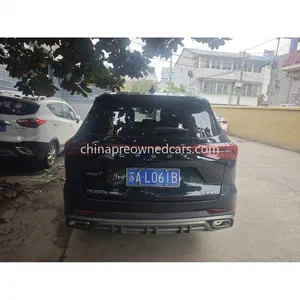
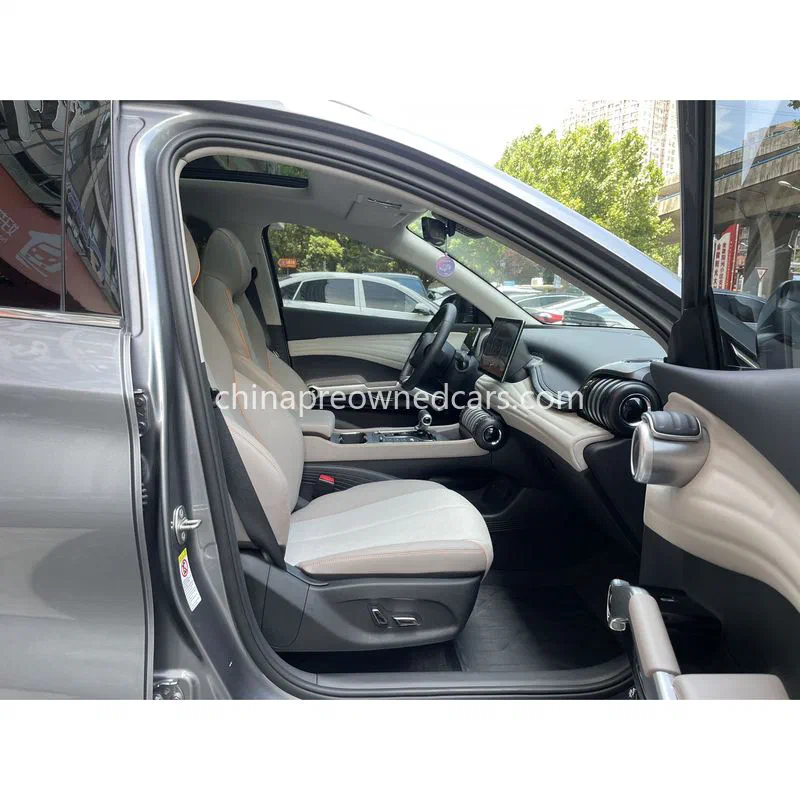
Odometer alteration first, repaired structural damage second. Both are detectable by competent inspection and close to invisible in photographs.
This is why final payment should follow documented inspection results rather than precede them. What staged payment buys you is the right to walk away after the inspection tells you something the listing did not.
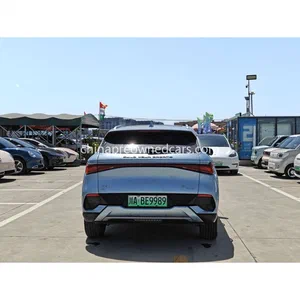
For electric vehicles add battery state of health, which cannot be assessed by eye at all. Insist on a measured diagnostic figure, cycle count, fast-charging history and any accident record affecting the pack.
5. Costs appear that were not in the quote
Not a failure exactly, but it eats margin the same way. Beyond duty, Ghana Revenue Authority itemises local shipping line charges, terminal handling, safe-bond handling and rent while the vehicle sits, a GH₵154 trade number plate, and clearing agent fees. Add inland transport and registration.
Then there are surcharges. Peak season surcharges apply on the China–West Africa trade and can be announced after you have quoted a buyer. Ask your forwarder whether one is in force or announced for your sailing window before committing to a price.
The three habits that prevent most of it
Certify and inspect before shipment. Not on arrival. From October 2026 in Ghana this is compulsory; everywhere else it is merely sensible.
Check documents against each other, not just for existence. A complete file with an inconsistent VIN fails exactly like an incomplete one.
Pay Ghana duty before arrival. With the Title and Bill of Lading in hand, GRA permits it. It turns clearance into verification rather than payment under time pressure.
What we will not promise
We will not give you an exact duty figure for a shipment that has not been filed, because nobody honestly can. We publish estimates so you can start the arithmetic; the number that counts comes from your clearing agent against the actual valuation for your VIN.
We also will not tell you a used car has no imperfections. Where our inspection finds repainted panels, replaced parts or previous repair, it goes in the condition disclosure. That loses some enquiries and prevents most disputes.
Common questions
Q: What is the worst thing that can happen? A: A vehicle refused entry under Ghana’s prohibited categories from October 2026, because there is no clearance path at the destination.
Q: What goes wrong most often? A: Documentary mismatches, particularly VIN errors, followed by valuation coming in above expectation.
Q: How do I protect myself on condition? A: Independent third-party inspection with written findings, and staged payment so the balance follows the report rather than preceding it.
Q: Can I get a firm landed cost before shipping? A: A close estimate, yes. A firm figure requires your agent’s assessment against the valuation for that specific vehicle.