Used cars dealership names are the names used by businesses that sell pre-owned vehicles and identify their role, location, or market focus. They matter because buyers use them to understand who is handling the vehicle purchase, export process, and after-sales communication.
For international buyers, a dealership name is only one part of supplier evaluation. A professional used vehicle exporter should also provide clear company information, vehicle details, inspection records, and export documents. A name can create recognition, but the actual trading process depends on verification of the business and the vehicles offered. Buyers searching for used cars dealership names often compare exporters by transparency rather than branding alone.
What a used car dealership name tells buyers
A dealership name may indicate the type of vehicles a company handles. Some businesses focus on domestic sales, while others specialize in export transactions. For a Chinese used vehicle exporter, the company identity should match its ability to source vehicles, complete export licensing procedures, arrange customs declaration, and manage shipping to overseas ports.
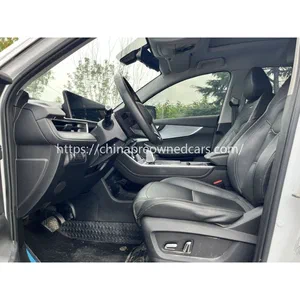
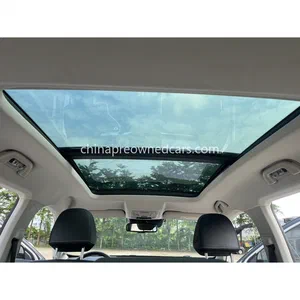
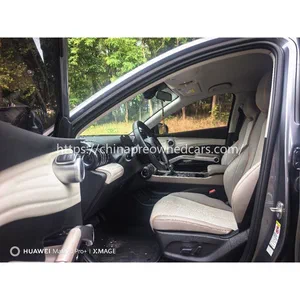
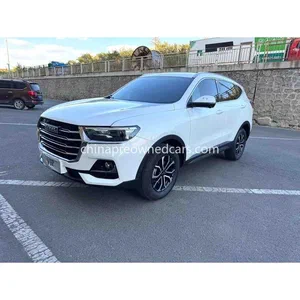
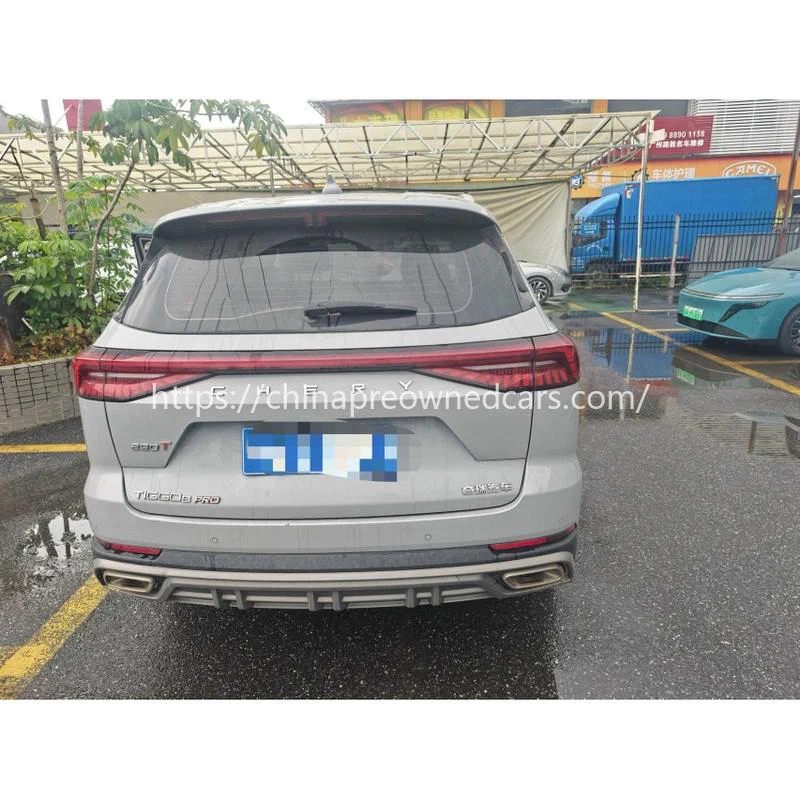
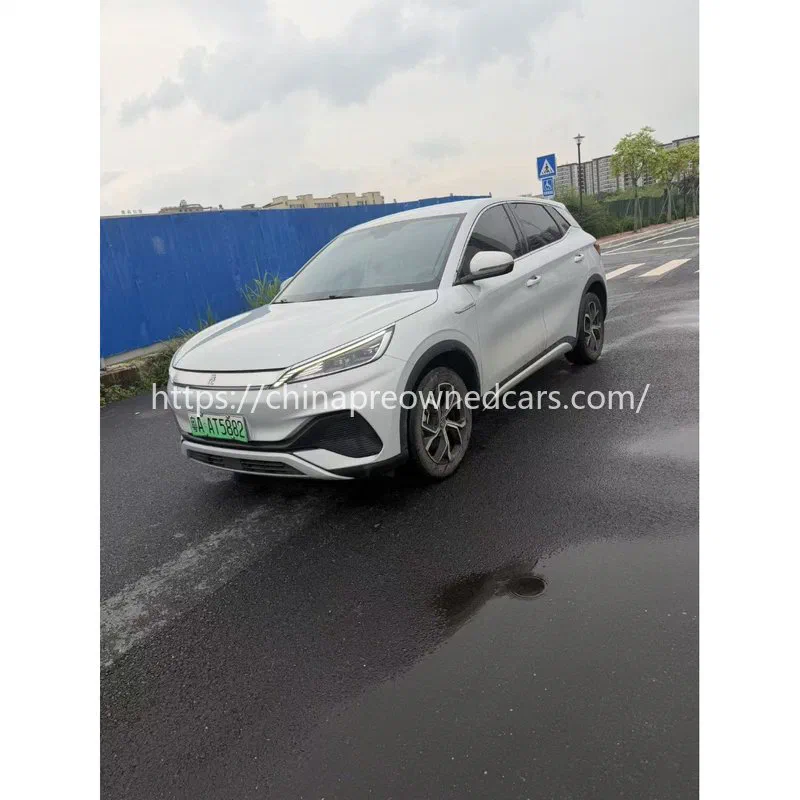
Names connected with Chinese used vehicle exports may also reflect a focus on certain categories, such as Chinese-brand SUVs, electric vehicles, or hybrid models. Models such as BYD Atto 3, Chery Tiggo 7 Plus, Chery Tiggo 8 Pro, Geely Coolray, and Haval H6 are examples of vehicles that require evaluation beyond the dealership label. Buyers should review specifications, vehicle condition grading, and available inspection information before making a purchase decision.
A dealership name does not confirm vehicle quality by itself. A proper assessment includes checking the VIN, service records where available, ownership history, mileage information, and physical inspection results. Condition grading should describe the vehicle based on inspection findings rather than general claims.

Why dealership identity matters in vehicle export
Export buyers work with different parties during a transaction, including suppliers, logistics providers, inspection organizations, and customs agents. A clearly identified exporter helps establish responsibility throughout the process. The buyer should know which company is sourcing the vehicle, preparing documents, and coordinating shipment.
China’s used vehicle export process requires export licensing, customs declaration, and pre-shipment inspection. Vehicles may be shipped by RoRo or loaded into containers depending on the vehicle type, route, and logistics arrangement. Export documentation normally needs to match the vehicle details and destination requirements, so accurate company information is important.
Destination markets such as Ghana, Nigeria, Kenya, Uganda, and Tanzania have their own import rules. These rules can differ by country and may involve vehicle age limits, emission standards, drive side requirements, and roadworthiness checks. Most Chinese domestic vehicles are left-hand drive, so buyers in markets requiring right-hand-drive vehicles need to confirm availability before purchase.
Choosing an exporter beyond the name
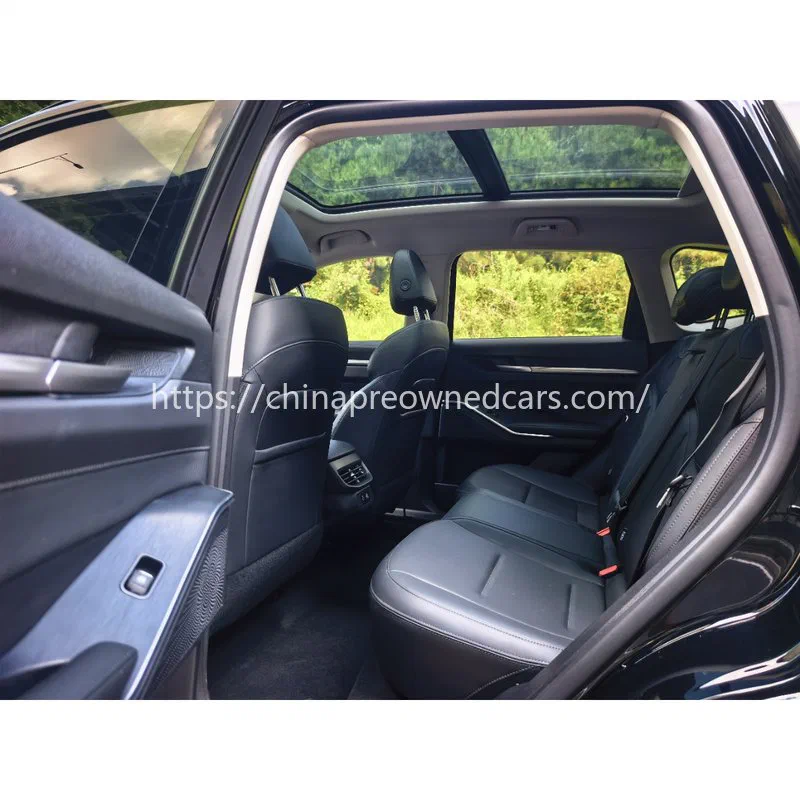
A reliable exporter selection process focuses on evidence. Buyers should request clear photos, inspection details, specifications, and documentation before payment. For electric vehicles, battery health information is especially important because used EVs require battery state-of-health checks and additional consideration for battery transport during shipping.
Payment terms should also be reviewed carefully. The agreement should define the vehicle specifications, inspection arrangements, documentation responsibilities, and shipping process. Buyers should avoid relying only on a company name or online listing because export transactions involve multiple steps after the initial vehicle selection.
After-sales support is another factor connected to exporter identity. A company familiar with overseas markets can help buyers understand parts availability, maintenance considerations, and technical information for imported vehicles. This support is particularly relevant for electric and hybrid SUVs, where local charging infrastructure and service capability may affect long-term use.
For overseas dealers, the dealership name becomes part of their own market reputation after importing vehicles. A supplier that provides accurate vehicle information and consistent communication helps reduce uncertainty during cross-border trade. The name opens the first conversation, but verified processes determine whether the transaction can move forward.
FAQ
Q: Does a used car dealership name guarantee vehicle quality? A: No. Vehicle quality should be checked through inspection records, VIN verification, condition assessment, and available history information.
Q: What should buyers check besides the exporter name? A: Buyers should review vehicle specifications, export documents, inspection arrangements, payment terms, and shipping procedures before purchase.
Q: Are Chinese used vehicles suitable for all export markets? A: Suitability depends on destination rules, including drive side, emission standards, vehicle age limits, and local road requirements.