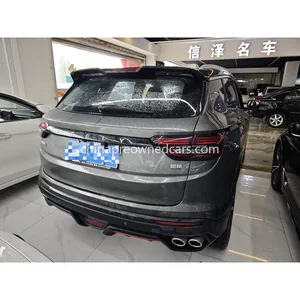
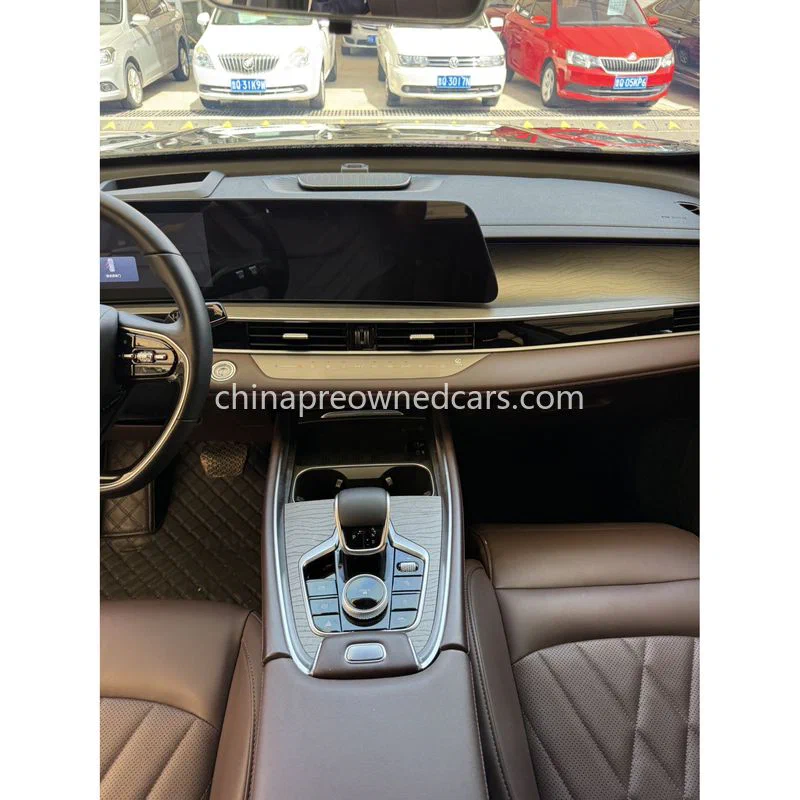
A used vehicle package normally includes the vehicle, pre-shipment inspection records, export documents, and shipping arrangements. The package is not complete until the vehicle has passed the required checks, customs procedures have been handled, and the carrier has issued shipping confirmation.
Inspection and documentation
The process begins with a physical and identity inspection. The inspection provider checks the VIN against the vehicle records, confirms the model and equipment, and examines the body, glass, lights, tyres, suspension, brakes, steering, and cabin. The engine, transmission, charging system, warning lights, and safety equipment are also tested where applicable. Photographs and a written inspection report should record visible defects rather than relying on a general condition statement.
Used electric vehicles require additional checks. For a BYD Atto 3, battery state of health, charging operation, dashboard warnings, and high-voltage system condition should be documented. A suitable battery report is important because remaining capacity affects operating range and resale value. Battery transport rules also apply during shipping, and the carrier may request technical information before accepting an electric vehicle. Hybrid models require checks of both the combustion system and the electrical drive components.
A condition grade should be supported by evidence. Buyers should compare the inspection report with mileage records, service history, auction or registration records, and current photographs. Models such as the Chery Tiggo 7 Plus, Chery Tiggo 8 Pro, Geely Coolray, and Haval H6 may differ in trim, safety equipment, infotainment language, and charging or fuel specifications. Those details should appear on the quotation and vehicle file. No mileage or history should be treated as verified until the VIN and supporting records match.
Export documentation follows inspection. The exporter must hold the required export license, complete the customs declaration, and provide the commercial invoice, purchase or sales documentation, and vehicle ownership records required for the shipment. A certificate of origin may be requested by the destination authority or used for customs processing. After loading, the carrier issues a bill of lading. The final document set should be checked for matching VIN, consignee, port, vehicle description, and shipping method.

Shipping and port handling
RoRo shipping suits a running vehicle that can be driven onto the vessel and secured in a designated deck area. It often avoids the work of preparing an individual container, but access to the vehicle during transit is limited and exposure to port handling conditions can be greater. Container shipping can protect the vehicle from some weather exposure and may fit non-running units or consolidated cargo. It usually involves loading, lashing, blocking, and container fees, so the total cost depends on vehicle size, port charges, and whether other cargo shares the container.
At the origin port, the vehicle is delivered to an approved yard, checked against the booking, and prepared for loading. Fuel level, battery charge, keys, loose accessories, and alarm status may be recorded. For EVs, the carrier’s instructions on charge level and isolation must be followed. Port storage can add charges if documents, customs clearance, or vessel space are not ready. The bill of lading should be reviewed promptly after departure because corrections are harder once the vessel has sailed.

Lead time has several parts: sourcing and inspection, document preparation, customs clearance, inland transfer, port acceptance, vessel scheduling, ocean transit, and destination release. A typical export workflow may take several weeks before departure, while the full timetable depends on port congestion, vessel frequency, customs review, and the selected route to Ghana, Nigeria, Kenya, Uganda, or Tanzania. Quoted timing should therefore separate preparation from ocean transit and should not be treated as a guaranteed delivery date.
Before payment, the buyer should confirm the agreed condition grade, VIN, inspection scope, included documents, shipping term, destination port, and responsibility for local duties and clearance. Most Chinese domestic vehicles are left-hand drive, so right-hand-drive requirements must be checked carefully for the destination and the specific unit. Ghana, Nigeria, Kenya, Uganda, and Tanzania may apply different rules on vehicle age, emissions, roadworthiness, import permits, and drive side. Local authorities and a licensed clearing agent should confirm the current requirements before shipment.
FAQ
Q: What does a used vehicle package include before overseas shipping?
A: It normally includes the inspected vehicle, inspection report or required certificate, export license and customs documents, certificate of origin where applicable, and the bill of lading after loading. The exact document set depends on the destination and shipping method.
Q: Which shipping method is better for a used SUV?
A: RoRo is often suitable for a running vehicle and may reduce handling work, while a container can suit non-running vehicles or buyers seeking added enclosure. The decision should compare total port, loading, storage, and damage-risk costs.