Used electric and hybrid vehicle prices depend on more than the purchase price. Battery state of health, charging compatibility, transport classification and local charging access all affect the total cost of exporting a vehicle from China. Buyers should assess these factors before agreeing on a vehicle and shipping arrangement.
Battery condition is one of the main variables affecting the value of a pre-owned electric vehicle. State of health (SOH) measures the battery’s remaining capacity relative to its original capacity. A battery with lower SOH generally offers less driving range and may have a lower resale value. Buyers sourcing a BYD Atto 3 should request a battery diagnostic report showing SOH, recorded fault codes, cell voltage differences and charging history where available. The report should identify the test method and date. An odometer reading alone cannot establish battery condition. A separate inspection should check the battery casing, cooling system, charging port and signs of previous repairs or impact damage.

Charging connector compatibility is another important consideration. Chinese domestic-market electric vehicles commonly use GB/T connectors, while CCS2 is widely used in many international markets. CHAdeMO is also present in some existing charging networks, although its availability varies. Ghana, Nigeria, Kenya, Uganda and Tanzania do not necessarily have identical charging infrastructure or connector coverage. Buyers should check the actual public and private charging equipment available in their intended operating area. They should also confirm whether the vehicle supports compatible AC and DC charging, whether an approved adapter is available and whether the vehicle’s onboard charging system can work with local electricity supplies. A connector adapter does not automatically guarantee charging compatibility.
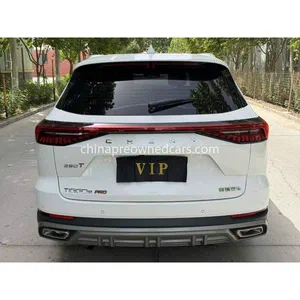
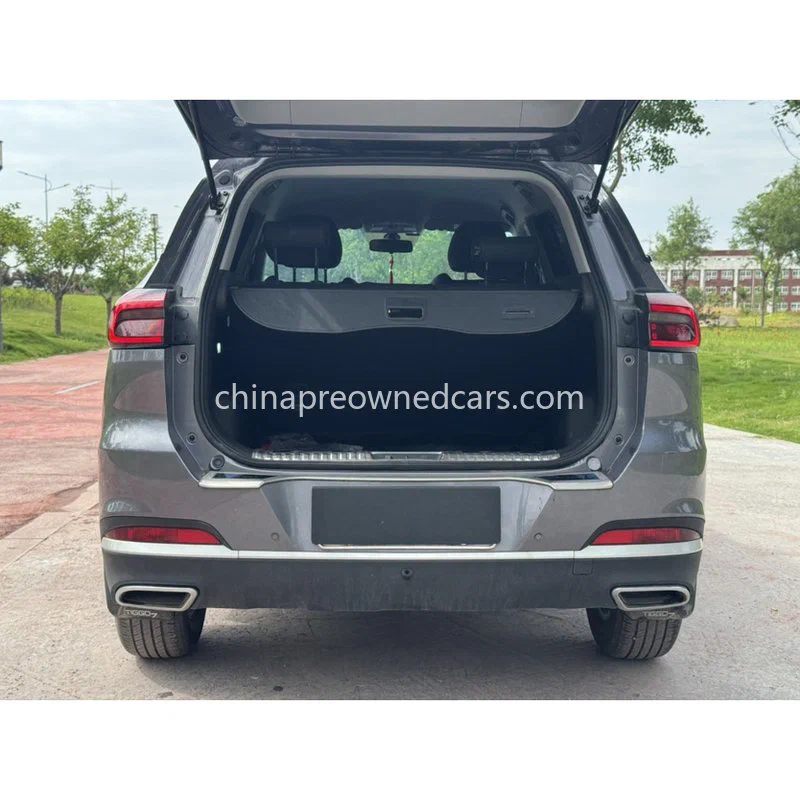
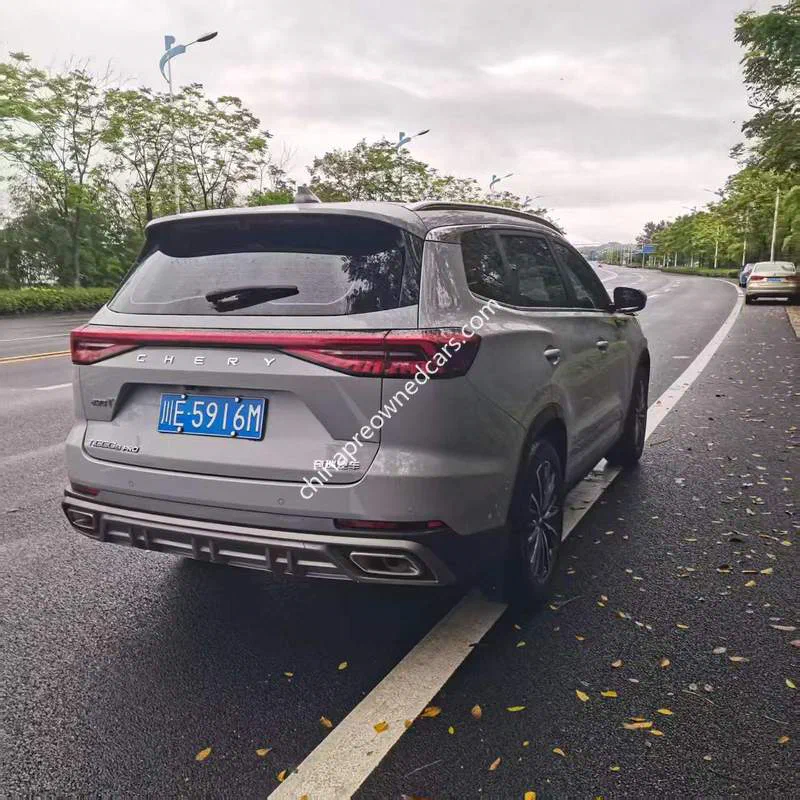
Battery degradation affects the relationship between purchase cost and future resale value. A vehicle with reduced usable range may be harder to sell in areas where public charging stations are limited or long-distance journeys are common. This is particularly relevant for buyers comparing used vehicle prices across different battery capacities and model years. The BYD Atto 3, for example, should be evaluated according to its actual battery configuration, measured SOH and remaining practical range rather than its advertised original range. Hybrid models such as the Chery Tiggo 7 Plus and Chery Tiggo 8 Pro require a different assessment. Buyers should inspect the high-voltage battery, combustion engine, hybrid control system and charging functions where applicable. Maintenance records and diagnostic results help establish the vehicle’s condition.
Export costs also include battery transport requirements. Lithium-ion batteries are subject to dangerous goods regulations, and shipment classification depends on the vehicle and battery’s transport condition. UN 3480 generally covers lithium-ion batteries shipped on their own, while UN 3481 applies to batteries contained in or packed with equipment. Electric vehicles transported as vehicles have separate applicable dangerous goods provisions, so UN 3480 should not automatically be applied to an entire EV shipment. The exporter and shipping carrier must confirm the correct classification, documentation, packaging requirements where relevant and vessel acceptance. RoRo shipping and container shipping may involve different carrier procedures. Export licensing, customs declaration and pre-shipment inspection must also be arranged before departure.
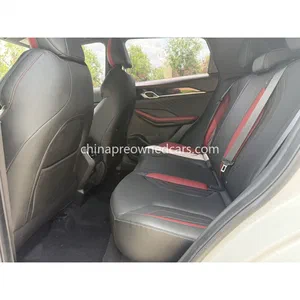
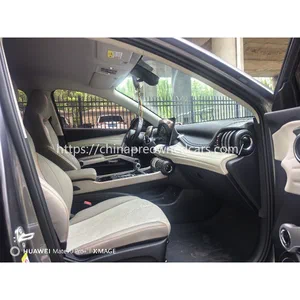
Before confirming an order, buyers should request the VIN, vehicle configuration, battery diagnostic results, charging specifications, service records and inspection photographs. The export quotation should distinguish the vehicle cost from inspection, documentation, inland transport, port handling, freight and destination charges. Buyers should also confirm the applicable import rules in Ghana, Nigeria, Kenya, Uganda or Tanzania, including vehicle age restrictions, emissions requirements, roadworthiness standards and left-hand-drive acceptance. Most Chinese domestic vehicles are left-hand drive, so steering configuration must be checked against destination regulations. Battery condition and charging compatibility should be documented before payment and shipment. These checks provide a more useful basis for comparing vehicles than the purchase price alone.
FAQ
Q: How does battery health affect used electric vehicle prices?
A: Lower battery state of health usually means reduced driving range and potentially lower resale value. Buyers should compare diagnostic results and usable range rather than relying only on mileage.
Q: Are Chinese GB/T charging connectors compatible with CCS or CHAdeMO stations?

A: Not directly in every case. Buyers should verify the vehicle’s charging configuration, local station standards and approved adapter compatibility before importing.
Q: Do electric vehicles require special shipping documents?
A: Yes. Carriers apply specific dangerous goods and vehicle transport requirements to electric vehicles. The exporter should confirm the applicable classification, shipping documentation and carrier acceptance before booking.