A buyer considering a used Genesis vehicle should verify its identity, mileage, service records, accident history and mechanical condition before making payment. For overseas imports, the checks must also cover export documentation, destination-country regulations and the arrangements made by the exporter.
What to Check Before Buying a Used Genesis
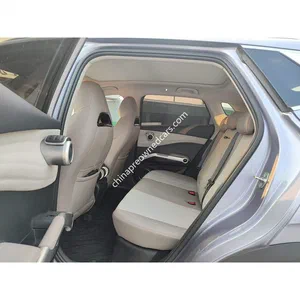
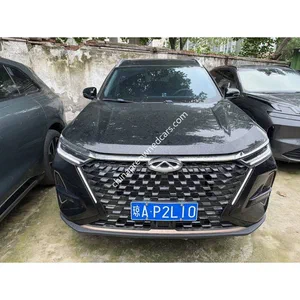
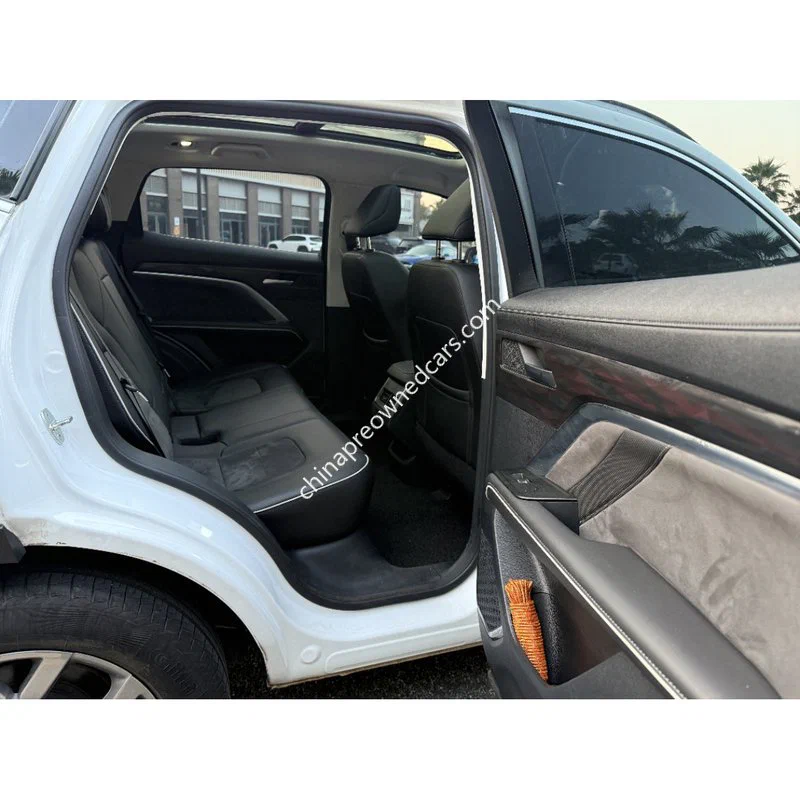
The first step is confirming that the vehicle being offered matches its advertised description. Request the full VIN and compare it with the number stamped on the vehicle, the registration records and the available ownership documents. Any mismatch needs an explanation before the purchase proceeds. Mileage should also be checked against service invoices, maintenance records and available inspection photographs. A low odometer reading is not sufficient evidence of light use. Signs of interior wear, steering wheel deterioration and pedal condition can help identify inconsistencies.
Service history deserves particular attention. Ask for records showing routine maintenance, major repairs and replacement parts. The accident history should cover structural damage, airbag deployment, flood exposure and previous body repairs. A visual inspection should include the chassis, suspension, engine compartment, transmission and underbody. Where possible, arrange an independent inspection rather than relying solely on photographs supplied by the seller. For a used car genesis search, buyers should also distinguish between verified information and details that have only been declared by the seller.
Documentation, Exporter and Payment Checks
Before confirming an order, request a written inspection report containing the vehicle’s VIN, recorded mileage, exterior and interior condition, mechanical findings and photographs. The report should identify defects rather than simply assign a general condition grade. Buyers should also request confirmation that the exporter can provide the necessary export license, customs declaration and pre-shipment inspection arrangements. Customs clearance paperwork and shipping documents should be shared as the export process progresses. Names, vehicle details and identification numbers should remain consistent across the documents.
Exporter credibility requires separate verification. Check the registered business identity, physical contact details, export experience and ability to explain the shipping process. Ask for a written pro forma invoice, a clear vehicle specification sheet and contractual terms covering deposits, final payment, inspection discrepancies and cancellation conditions. Bank transfers are commonly used in B2B vehicle transactions, but payment should go to a verified business account matching the contracting entity. Avoid transferring funds to unrelated personal accounts. The payment schedule should specify when the deposit becomes payable and what evidence is required before the remaining balance is released.
Several problems arise when buyers move too quickly. Odometer discrepancies, undisclosed accident repairs, incomplete paperwork and differences between the inspected vehicle and the shipped unit can create disputes. Shipping arrangements also need written confirmation. RoRo shipping is generally suitable for operable vehicles, while container shipping offers enclosed transport and can accommodate different loading requirements. The buyer should confirm the destination port, freight charges, insurance arrangements and estimated transit period before authorising shipment.
For buyers importing into Ghana, Nigeria, Kenya, Uganda or Tanzania, local rules need checking before purchase. Vehicle age restrictions, emissions requirements, roadworthiness standards and import duties differ by country and may change. Most Chinese domestic-market vehicles are left-hand drive, so drive-side compatibility must be confirmed. For electric or hybrid Genesis vehicles, request battery condition evidence where applicable, including battery state of health, diagnostic results and charging-system checks. Battery transport requirements should also be discussed with the shipping provider. These checks should be completed before the exporter finalises the vehicle and shipping arrangements.

FAQ
Q: What documents should an overseas buyer request before paying for a used Genesis?
A: Request the VIN, service history, inspection report, ownership records, pro forma invoice and confirmation of the export license. Customs declaration and shipping documents should follow as the export process advances.
Q: How can a buyer check whether the mileage and accident history are accurate?
A: Compare the odometer reading with maintenance invoices and available vehicle records. Arrange an independent inspection covering structural repairs, paintwork, airbags and mechanical condition.
Q: What payment method is commonly used for used vehicle exports from China?
A: Bank transfer is commonly used for B2B transactions. Confirm the beneficiary’s business identity, written payment schedule and contractual conditions before sending funds.