The choice between a used BYD Atto 3 and a hybrid SUV depends on the destination market, driving conditions and available service infrastructure. For export buyers in Ghana, Nigeria, Kenya, Uganda and Tanzania, the main differences are battery range, fuel consumption, charging access, import compliance and parts availability.
Electric vs Hybrid: The Main Technical Differences
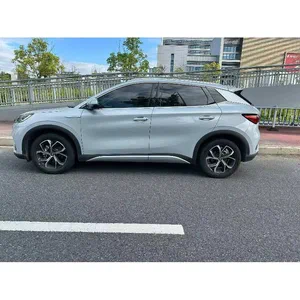
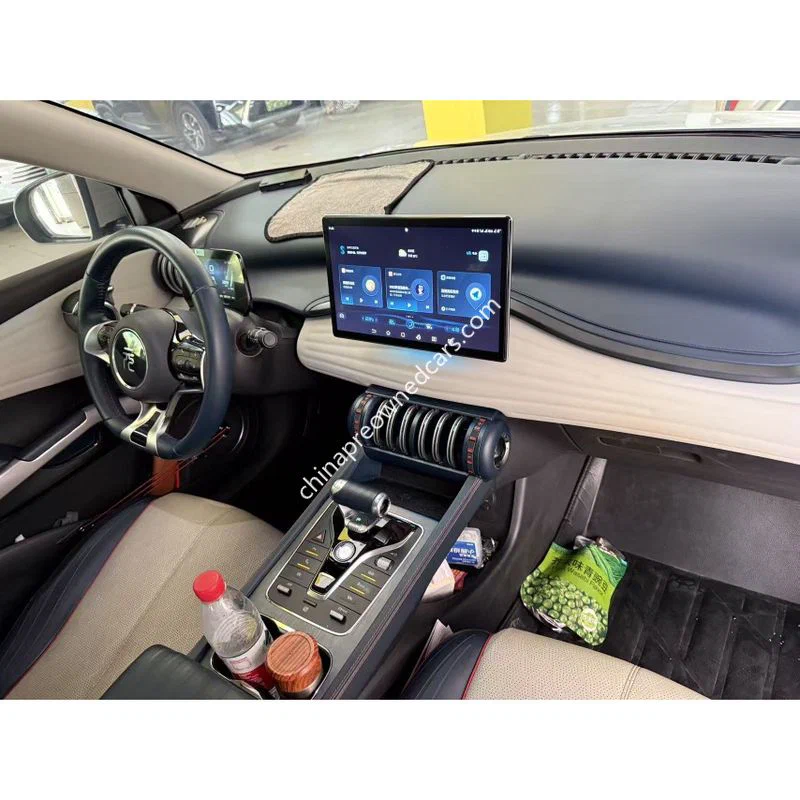
The BYD Atto 3 is a fully electric SUV. It uses a traction battery and electric motor, with no petrol engine or exhaust emissions during operation. Its driving range depends on battery capacity, battery condition, speed, climate and driving style. Buyers comparing used electric cars under 20k should pay particular attention to battery state of health (SOH), rather than relying only on the original factory range. A battery diagnostic report should show usable capacity, cell balance and any recorded faults. The charging port and onboard charging equipment also need inspection.

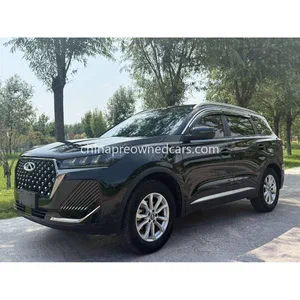
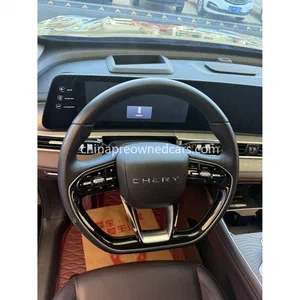
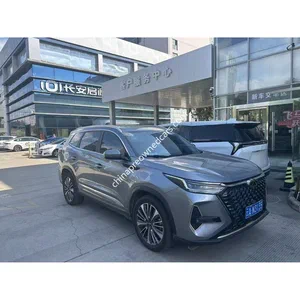
Hybrid SUVs follow a different operating model. They combine a combustion engine with electric assistance, reducing fuel consumption in suitable driving conditions without depending entirely on external charging. The Chery Tiggo 7 Plus and Tiggo 8 Pro, Geely Coolray and Haval H6 are relevant models in the export inventory, but buyers must confirm the exact powertrain and specification of each vehicle. Not every version of these models is a hybrid. Fuel consumption should be assessed against engine size, transmission, hybrid system type and expected road conditions. A conventional petrol version cannot be evaluated using hybrid fuel economy figures.
Range, Charging and Destination Compatibility
Charging infrastructure is a practical dividing line. The BYD Atto 3 requires access to compatible AC or DC charging equipment. Buyers should verify the vehicle’s charging connector, supported charging standards, onboard charger capacity and DC fast-charging compatibility against equipment available at the destination. Public charging coverage varies across Ghana, Nigeria, Kenya, Uganda and Tanzania. Private charging may be possible, but installation, electricity supply and charging time should be included in the operating-cost calculation. Battery transport requirements also need to be addressed during export shipping.
A hybrid can be more practical where charging access is limited. It can refuel through the existing petrol network, although its engine, transmission and hybrid components still require appropriate servicing. Emission compliance needs separate attention. Import authorities may apply restrictions based on vehicle age, engine emissions, fuel type or roadworthiness. Electric vehicles are not automatically exempt from every import requirement. Buyers should confirm current rules with the destination country’s customs authority before committing to a purchase. The same applies to import duties and required inspection documents.
Parts, Drive Side and Export Checks
Parts availability can affect long-term ownership costs more than the initial vehicle specification. Before selecting the BYD Atto 3, confirm access to compatible diagnostic equipment, battery technicians, charging components and replacement parts. For hybrid SUVs, check local support for the engine, transmission, electric motor and control systems. Availability differs by model and country. A vehicle with limited local technical support may require longer repair times or imported components.
Drive configuration is another essential check. Most Chinese domestic-market vehicles are left-hand drive (LHD), including many examples of the listed inventory. Ghana, Nigeria, Kenya, Uganda and Tanzania generally operate right-hand-drive road systems. Buyers must therefore verify whether a particular LHD vehicle can legally be registered and operated in the intended destination. Do not assume that a vehicle can be converted economically or that conversion will satisfy local regulations.
Before shipment, request the VIN, production date, mileage records, service history, accident information and inspection findings. For an EV, obtain a battery SOH assessment and charging-system test. For a hybrid, request engine diagnostics and checks of the hybrid battery and transmission. China’s used vehicle export process also involves export licensing, customs declaration and pre-shipment inspection. Shipping can be arranged by RoRo or container, depending on vehicle dimensions, carrier availability and handling requirements. Confirm the commercial invoice, export documentation, shipping terms and destination clearance responsibilities before payment.
FAQ
Q: Is the BYD Atto 3 a better export choice than a hybrid SUV?
A: Not in every market. It suits buyers with dependable charging access and local EV servicing, while a hybrid may be more practical where petrol infrastructure is stronger.
Q: What should buyers verify before importing a used electric SUV from China?
A: Check battery SOH, charging compatibility, vehicle history, LHD registration eligibility and current destination import rules. Also confirm export documentation, pre-shipment inspection and shipping arrangements.