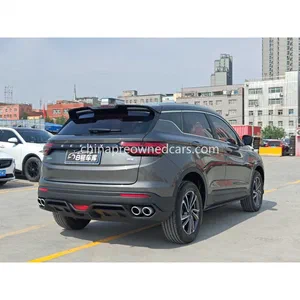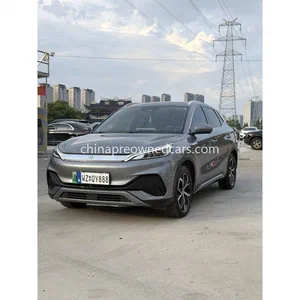
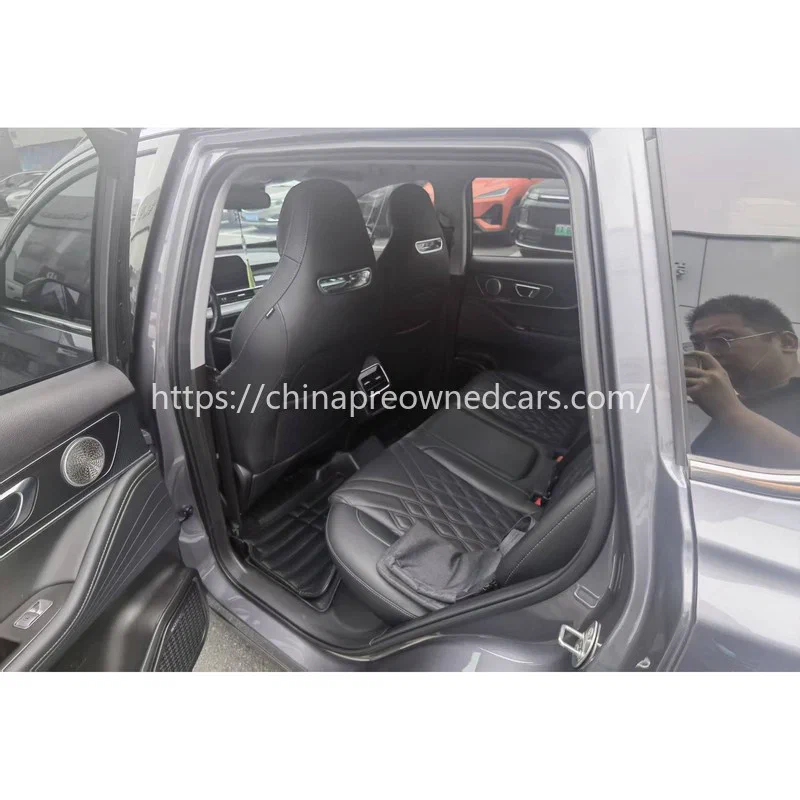
A used vehicle quality check is based on inspection records, condition grading and document review, not only on appearance. This article explains how exporters assess pre-owned vehicles and how buyers can compare a used car vs certified pre owned evaluation approach before import.
Vehicle grading usually starts with cosmetic condition, mechanical health, mileage review and service history. Exterior checks look at paint, panels, lights, glass and signs of previous repairs. Interior checks cover seats, controls, displays and general wear. Mechanical assessment includes engine or electric drive systems, transmission, suspension, brakes and electrical functions. Mileage is reviewed together with maintenance records because a lower odometer reading alone does not prove better condition.

For Chinese used vehicle exports, an inspection report should show what was checked and what was found. A pre-shipment inspection can verify the vehicle condition before export, but it does not remove the need for buyers to review records and confirm details independently. Export-grade or dealer-grade usually means the vehicle has passed a defined internal selection process and inspection standard. It does not mean every component is new or that future repairs will not be required.
Electric and hybrid vehicles need additional checks compared with combustion vehicles. For models such as BYD Atto 3, battery health assessment is an important part of evaluation because battery capacity, charging performance and usage history affect long-term operation. Buyers should request available battery information, VIN verification details and maintenance records. A vehicle history review should also check for accident repairs, flood exposure, structural damage and missing service documentation.
Export preparation adds another layer of verification. Chinese used vehicle exports require export licensing, customs declaration and pre-shipment inspection before shipment. Vehicles are transported through methods such as RoRo shipping or container shipping, depending on the vehicle type, destination requirements and logistics arrangement. Buyers importing to Ghana, Nigeria, Kenya, Uganda or Tanzania should confirm current rules on vehicle age, emission standards, drive side and roadworthiness before purchase. Most Chinese domestic vehicles are left-hand drive, which may not suit markets that require right-hand drive vehicles.
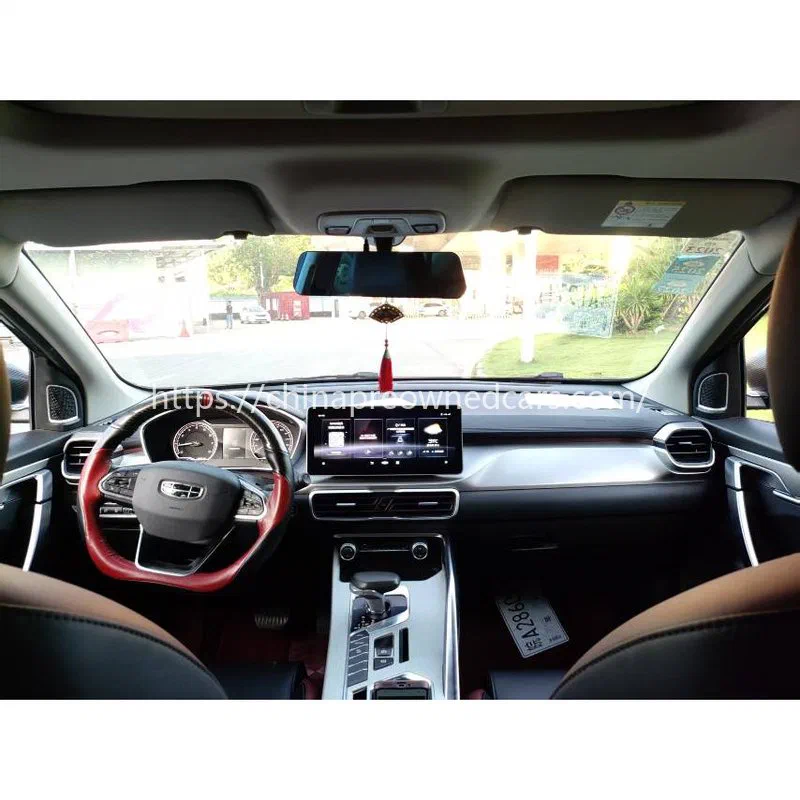
A careful purchase process focuses on evidence rather than labels. Buyers should compare inspection findings with photos, VIN records, service documents and shipping paperwork before making payment decisions. Condition grading helps set expectations, but it cannot replace direct verification of the vehicle’s history. Working with an exporter that provides clear export documentation, inspection details and after-sales support can reduce uncertainty during international used vehicle transactions.
FAQ
Q: Does a certified pre owned vehicle always have better quality than a used car? A: Certified pre owned programs usually involve additional inspections, but the quality depends on the inspection scope and standards used. Buyers should review the actual inspection information rather than relying only on the label.
Q: What should buyers check before importing a used vehicle from China? A: Buyers should verify VIN information, condition records, service history, inspection results and destination import requirements. Battery health should also be checked for used electric and hybrid vehicles.