An overseas buyer should verify the vehicle, its records, the exporter, and the destination-country rules before paying for a used vehicle. The safest purchase is based on documents and independent checks, not photographs or a low quotation alone.
Vehicle checks before payment
Start with the vehicle identity. Request a clear photo of the VIN plate, stamped chassis number, registration documents, and dashboard VIN display where applicable. These records should match each other and the sales quotation. A VIN search can help confirm model year, factory specification, registration history, and whether the vehicle was previously written off or transferred between owners. Check the VIN again during the pre-shipment inspection. A mismatch is a stop signal until the cause is documented.
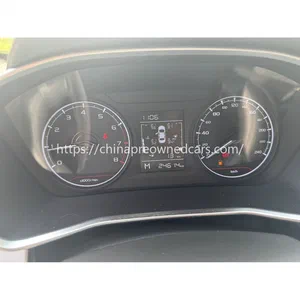
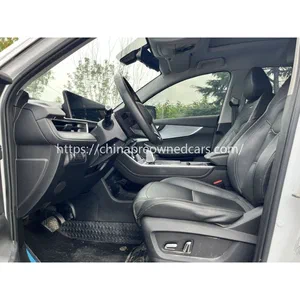
Mileage needs more than a dashboard photograph. Compare the odometer reading with service invoices, inspection records, registration history, tyre wear, steering-wheel condition, seat wear, and brake-pedal wear. A low reading with heavy wear requires explanation. Ask whether the recorded mileage is from the domestic-market vehicle record or an estimate. Service history should show dates, mileage, maintenance operations, and the workshop that performed the work. Missing records do not prove abuse, but they reduce confidence and should affect the buying decision.
Accident history is another key check. Ask for photographs taken before repair, body-panel readings where available, underbody images, and details of replaced parts. The inspection should cover chassis alignment, airbag status, seat-belt pretensioners, water damage, welding marks, paint variation, suspension components, and warning lights. Cosmetic repairs may be acceptable for some buyers; structural damage, flood exposure, or undeclared airbag deployment is a different risk. A written condition grade is useful only when its criteria and supporting photographs are supplied.
EV, hybrid, and equipment verification
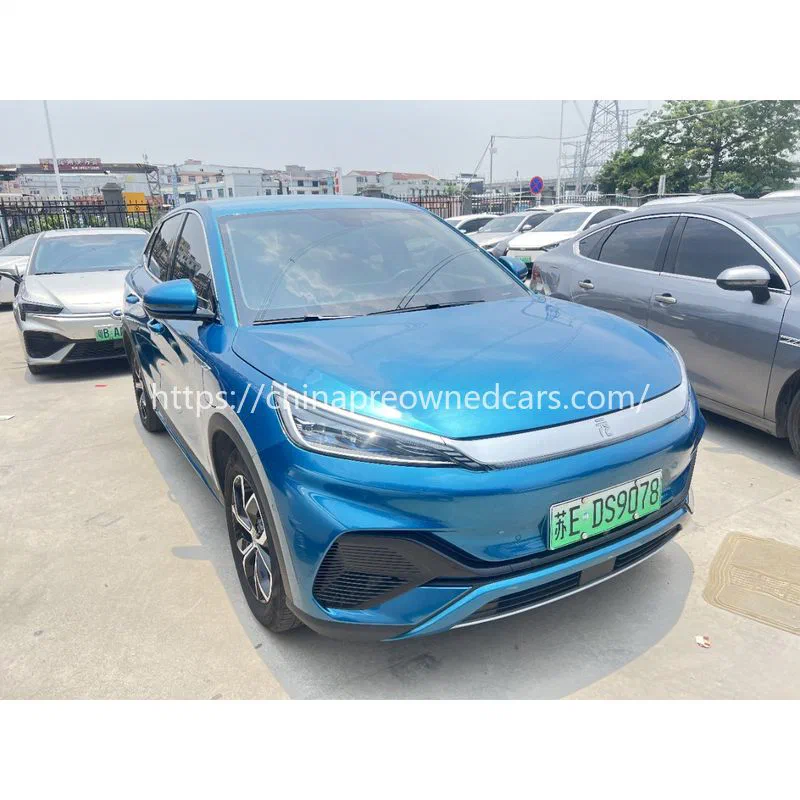
Electric vehicles need a separate battery review. For a BYD Atto 3, request a battery state-of-health result, diagnostic fault-code scan, charging test, and a record of any battery or high-voltage-system repair. The report should identify the test method and test date rather than simply describe the battery as good. Check charging-port condition, cable compatibility, onboard charger operation, thermal-management warnings, and the practical range shown during testing. Battery state of health is not the same as the vehicle’s original range, and prolonged storage at an unsuitable charge level can create additional concerns.
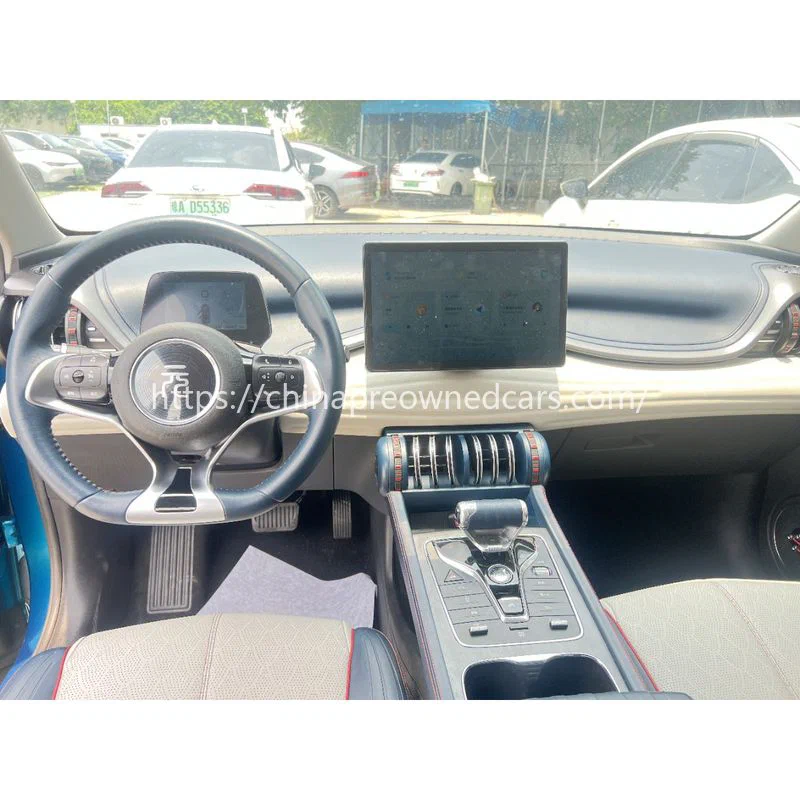
A hybrid such as the Chery Tiggo 7 Plus or Chery Tiggo 8 Pro also requires checks on the petrol engine, traction battery, inverter, cooling system, and transition between electric and engine drive. For the Geely Coolray and Haval H6, inspect the engine, transmission, turbocharger, cooling system, driver-assistance sensors, and air-conditioning system. Across all models, confirm the trim level, drive side, wheel size, charging equipment, language settings, navigation functions, and spare key. Equipment shown in an online image may not be included in the specified unit.
Destination suitability must be confirmed before shipment. Most Chinese domestic vehicles are left-hand drive, which can prevent registration in a purely right-hand-drive market unless a suitable specification is sourced. Ghana, Nigeria, Kenya, Uganda, and Tanzania each apply their own rules covering vehicle age, emissions, roadworthiness, drive side, documents, and taxes. These requirements can change. The importer or licensed customs adviser should confirm the current rule for the exact vehicle before a deposit is sent, including whether an EV or hybrid receives additional technical treatment.
Exporter and shipping due diligence
Ask the exporter for a vehicle-specific inspection report, purchase or ownership evidence, export license details, commercial invoice, packing or shipping information, and the planned customs-clearance documents. Chinese used vehicle exports require export licensing, customs declaration, and pre-shipment inspection. The exporter should explain which party prepares each document and when copies will be released. Check that the seller’s legal company name, bank account, invoice, contract, and contact details are consistent. A verifiable business address, clear inspection process, and willingness to share unedited vehicle evidence are stronger signs than a polished listing.
Payment terms should be written into the sales contract. Common structures include a deposit to reserve or prepare the vehicle, with the balance paid after inspection or against agreed shipping and document milestones. The contract should define the vehicle identification, condition standard, included equipment, inspection rights, refund treatment if the vehicle fails agreed checks, bank charges, and responsibility for destination costs. Avoid payments to unrelated personal accounts or pressure to transfer funds before identity and paperwork are established. Compare the full landed cost, including inland transport, inspection, export handling, freight, insurance where selected, port charges, customs duties, and local clearance.
Shipping normally uses RoRo or a container. RoRo is suited to operable vehicles and often involves simpler loading, while a container can offer additional protection and may suit a non-running vehicle or consolidated cargo. EVs introduce battery transport and handling requirements, so the shipping line may request battery information, charge level controls, or special declarations. Transit and port timing can vary with sailing schedules, customs processing, transshipment, and congestion. The exporter should provide a realistic range and identify what is included, rather than treating an estimated arrival date as guaranteed. Ask for the bill of lading, final inspection record, and document release procedure before dispatch.

The used cars market contains avoidable risks when buyers focus only on the purchase price. Common problems include a changed vehicle specification, incomplete service records, undisclosed repairs, incorrect VIN data, missing keys or chargers, unsuitable drive side, and documents that cannot support local registration. An independent inspection arranged by the buyer is preferable where practical. Keep all quotations, messages, reports, payment receipts, and shipping documents in one file. After-sales support should be defined in practical terms: remote diagnostic assistance, access to parts, local repair referrals, warranty exclusions, and who pays for a claim. A promise of support has little value unless the process is written down.
FAQ
Q: What document should be checked first when importing a used vehicle?
A: Check the VIN across the vehicle, ownership records, quotation, inspection report, and export documents. The same identity should appear throughout the file before payment or shipment.
Q: Can a Chinese used EV be shipped to Ghana, Nigeria, Kenya, Uganda, or Tanzania?
A: It may be possible, but the destination country decides the current rules for EVs, battery transport, age, emissions, drive side, and registration. Confirm the exact requirements with a local customs adviser before purchase.
Q: Is RoRo or container shipping better for a used SUV?
A: RoRo is commonly used for operable vehicles, while container shipping may suit consolidated cargo or provide different handling options. The choice depends on vehicle condition, battery requirements, freight availability, and the total delivered cost.