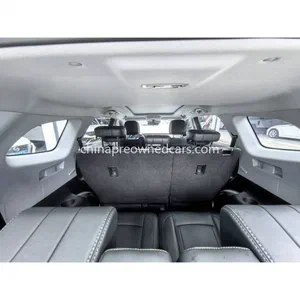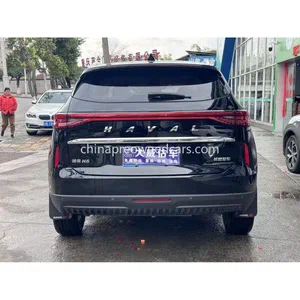

The BYD Atto 3 suits buyers seeking a pure electric SUV, while the Chery Tiggo 8 Pro is the more flexible choice where charging access is uncertain. The better export option depends on powertrain, destination rules, drive side, service capacity, and the exact vehicle variant.
Powertrain and operating requirements
The Atto 3 uses a battery-electric powertrain, so range depends on battery state of health, temperature, driving speed, load, and charging conditions. A pre-purchase report should record battery health, diagnostic results, charging performance, odometer data, and the vehicle’s actual configuration. The Tiggo 8 Pro requires closer specification checking because available units may use a petrol powertrain or a hybrid system, with fuel consumption and emissions varying by version. Its operating range is not tied to public charging, which can be important for fleets in Ghana, Nigeria, Kenya, Uganda, and Tanzania where charger coverage differs by city and route.
Charging compatibility is a technical issue, not a minor accessory choice. Many Chinese domestic-market EVs use GB/T charging hardware, while destination infrastructure may use another connector or a mixture of standards. The Atto 3 should therefore be matched with the intended charger network before purchase; an adapter may not resolve every communication or power-rating issue. The Tiggo 8 Pro avoids the same dependency in petrol form, although a plug-in hybrid variant still needs charging equipment and battery checks. Buyers should also confirm voltage, charger availability, local electrical protection, and access to qualified high-voltage technicians.
Export suitability and verification
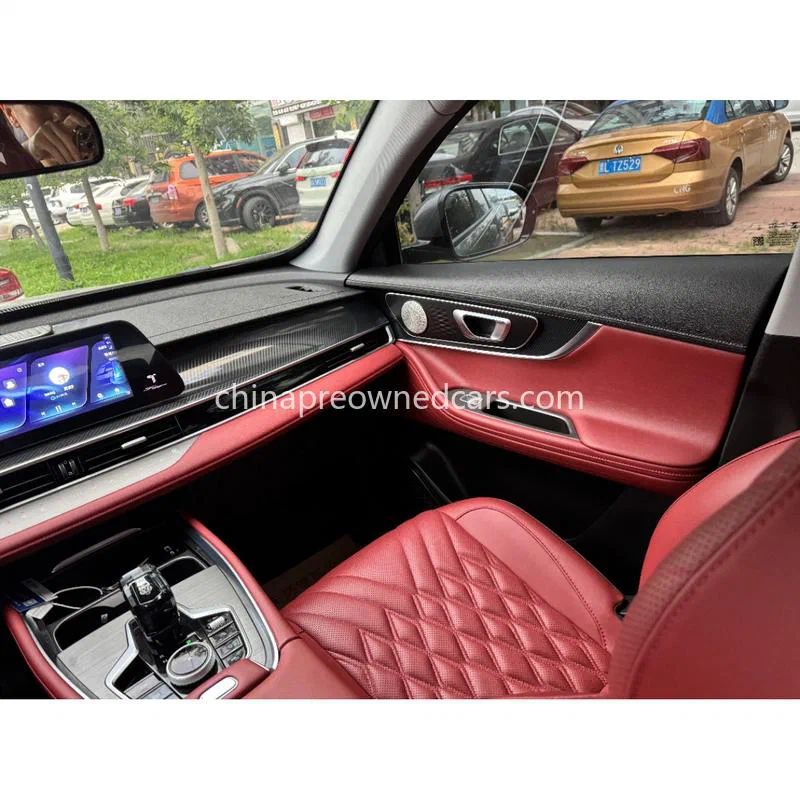
Both models are generally left-hand drive in China’s domestic market. That fits many operating conditions in the listed African destinations, but it can create problems where local registration or road use requires right-hand drive. A car dealership for used cars should provide the VIN, factory specification, drive-side confirmation, service records, ownership documentation, and clear photographs before a purchase decision. Condition grading should separate body repairs, paint work, tyre wear, suspension condition, interior damage, warning lights, accident evidence, and flood exposure. Mileage must be checked against service entries and electronic records rather than accepted as a guarantee.
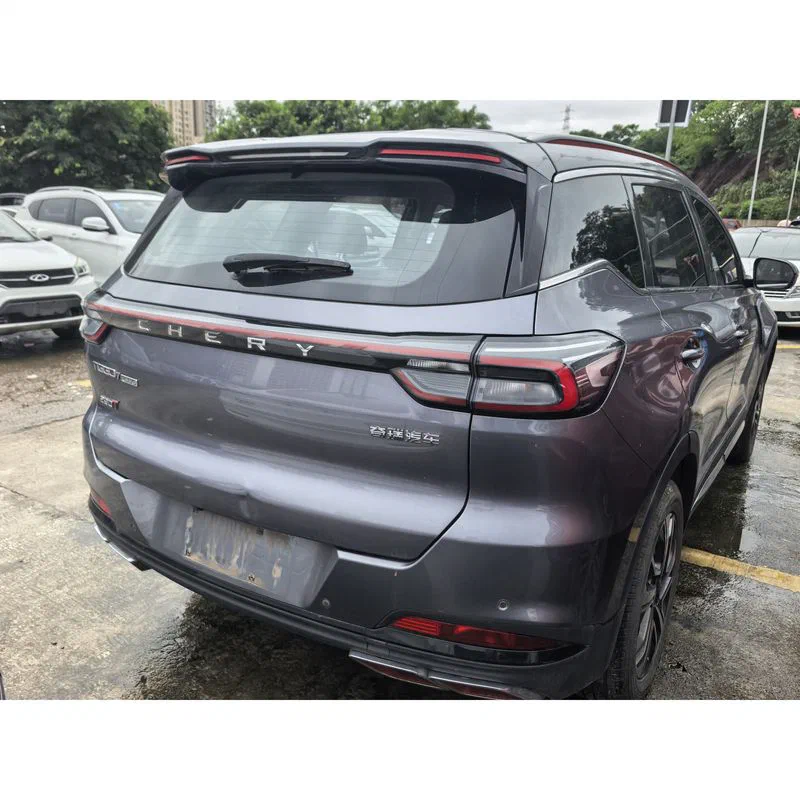
Emission compatibility also varies by destination and by powertrain. Petrol and hybrid Tiggo 8 Pro units require confirmation of the applicable emissions and roadworthiness rules, while the Atto 3 avoids tailpipe emissions but remains subject to registration, safety, battery transport, and charging requirements. Parts access should be assessed locally: routine filters, brake components, tyres, and suspension items may be easier to source than model-specific electronic modules or EV battery components. Before shipment, the exporter should complete the required export licensing, customs declaration, and pre-shipment inspection, then issue the commercial invoice, packing or shipping documents, vehicle title-related papers, and other documents requested by the destination authorities.
Shipping normally uses RoRo or a container. RoRo is often practical for a running SUV, while container loading can offer different handling and consolidation options; the choice depends on port access, cargo planning, and the vehicle’s condition. The buyer should compare the full quotation, payment milestones, inspection scope, insurance responsibility, port charges, and estimated shipping lead time. After-sales support should cover remote diagnosis, parts sourcing, and escalation for unresolved faults. BYD Atto 3 may be the stronger fit for an operator with dependable charging and EV technicians; Tiggo 8 Pro is usually easier to deploy across mixed-use routes when fuel supply and conventional workshop capacity are more predictable.

FAQ
Q: Is the BYD Atto 3 or Chery Tiggo 8 Pro better for export?
A: Neither is universally better. Choose the Atto 3 when charging, connector compatibility, and battery support are confirmed; choose the Tiggo 8 Pro when longer refuelling flexibility or conventional service capacity matters more.
Q: What must be checked before importing either SUV?
A: Confirm the VIN, drive side, exact powertrain, condition and mileage records, battery health where applicable, destination import rules, charging standard, inspection documents, and total shipping costs.