Overseas buyers should check a used vehicle’s identity, condition, service history and export documents before paying a Chinese supplier. The exporter should provide evidence of the vehicle’s actual condition, explain the shipping process and confirm which import requirements apply in the destination country.
What should buyers check before purchasing a used vehicle?
The first step is to establish that the vehicle being offered is the same one described in the quotation. Buyers searching for used car places in China should request the vehicle identification number (VIN), registration details where available, model year and current odometer reading. The VIN should be checked against the vehicle itself and the available registration or service records. Any mismatch needs an explanation before the transaction proceeds. A photograph of the dashboard alone is not sufficient evidence of mileage.
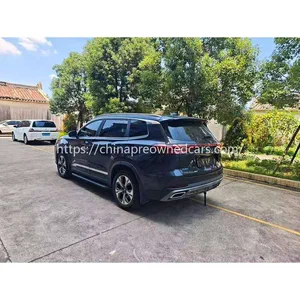
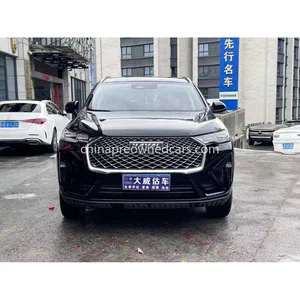
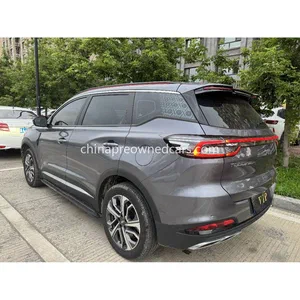
Mileage matters, but it should not determine the purchase decision on its own. A vehicle with relatively low recorded mileage may still have suffered accident damage, poor maintenance or long periods without use. Request dated service records, repair invoices and available ownership history. Check whether the recorded mileage is consistent across documents. The inspection should also cover engine operation, transmission, suspension, steering, braking, tyres, lights and electronic systems. For SUVs such as the Chery Tiggo 7 Plus, Chery Tiggo 8 Pro, Geely Coolray and Haval H6, particular attention should be paid to suspension wear, underbody damage and signs of previous structural repairs.
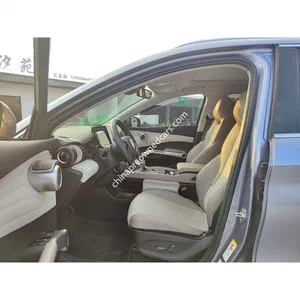
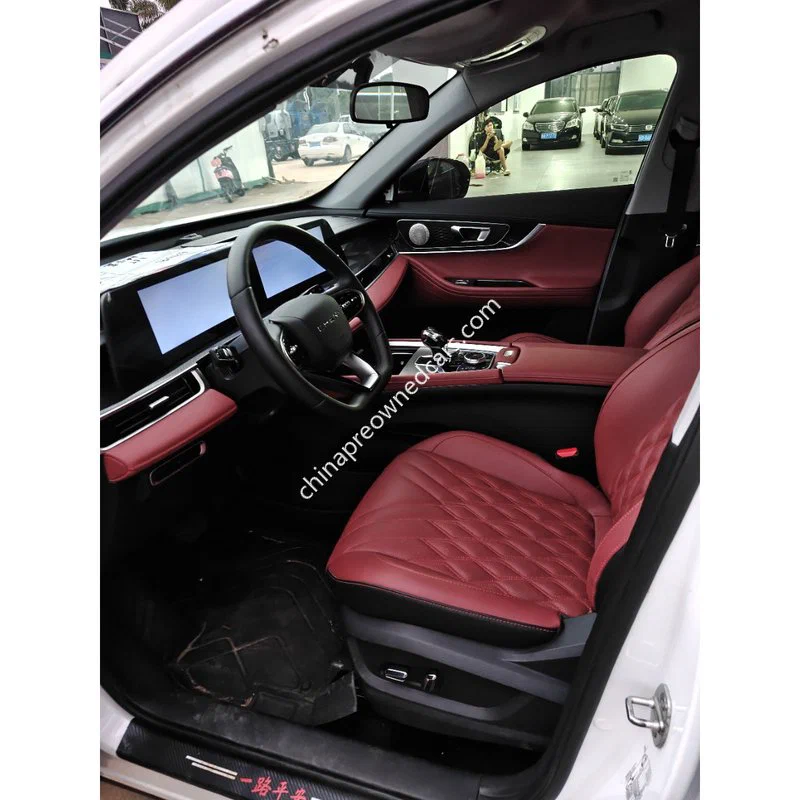
Accident history requires more than a visual inspection of the exterior. Fresh paint, uneven panel gaps, replacement glass and inconsistent weld marks can indicate previous repairs. Buyers should request photographs of the vehicle from multiple angles, including the engine compartment, underbody, interior and any damaged or repaired areas. An independent pre-shipment inspection can help identify mechanical or cosmetic problems that are not obvious in listing photographs. The report should identify the vehicle inspected, record its condition and include supporting photographs. Any limitations should also be stated. A condition grade is useful for comparison, but it is not a guarantee against hidden faults.
Additional checks for electric and hybrid SUVs
Electric vehicles require a separate battery assessment. For a used BYD Atto 3, buyers should request a battery state-of-health report where available, together with information about charging performance, battery warnings and previous battery repairs. State of health indicates the battery’s remaining capacity relative to its original condition, but the reported figure needs context. Ask how it was measured, when the test was conducted and whether the vehicle was operating under normal conditions. A dashboard range estimate is not a substitute for a battery assessment because driving conditions, temperature and recent charging behaviour affect the displayed figure.

The inspection should also cover the charging port, onboard charging equipment, electrical connections, cooling systems and diagnostic fault records. For hybrid vehicles, both the combustion engine and the electric drive system need assessment. Check the transition between operating modes, battery performance and any warning messages. The BYD Atto 3 is a fully electric SUV, so charging compatibility and local access to suitable charging facilities deserve particular attention. Buyers in Ghana, Nigeria, Kenya, Uganda and Tanzania should assess the availability of charging equipment, electricity supply and qualified repair services before selecting an electric vehicle. Battery transport and shipping requirements must also be confirmed with the carrier.
Exporter credibility, documentation and payment
A credible exporter should be able to explain where the vehicle was sourced, how it was inspected and which documents will be supplied. Buyers should request a written quotation identifying the model, VIN, condition description, mileage and agreed specifications. The company should also explain whether the vehicle price includes inspection, export handling, inland transport and shipping. These items should not be assumed to form part of one quoted amount. Check the business’s registered details, communication channels and transaction arrangements. Ask for examples of the documentation used in previous export transactions, with confidential customer information removed if necessary.
Documentation is a separate part of the purchase decision. Before shipment, buyers should establish which records the exporter will provide and which documents must be arranged by the importer. The main documents to discuss include:
- Commercial invoice showing the vehicle description and transaction value.
- Sales contract identifying the buyer, seller, vehicle and payment conditions.
- Vehicle ownership and registration documents available from the source market.
- Export licence or applicable export authorisation.
- Pre-shipment inspection report.
- Customs declaration and export clearance paperwork.
- Bill of lading issued for the shipment.
- Other documents required by the destination country’s customs authority.
China’s used vehicle export process requires the applicable export licensing, customs declaration and pre-shipment inspection procedures. Buyers should obtain confirmation that these steps have been completed or arranged before the vehicle is shipped. The final document requirements can differ according to the vehicle type, shipping method and destination. For Ghana, Nigeria, Kenya, Uganda and Tanzania, importers should confirm current requirements with local customs authorities or a licensed clearing agent rather than relying solely on the exporter’s general guidance.
Payment terms should be agreed in writing before funds are transferred. A common commercial arrangement involves an initial deposit followed by the balance at an agreed transaction or documentation milestone. The exact structure varies between suppliers and orders. The contract should specify the deposit amount, payment currency, beneficiary bank details, conditions for releasing the vehicle and the consequences of a failed inspection. Buyers should avoid transferring money to unrelated personal accounts without a documented explanation. Where the agreement makes final payment conditional on inspection, the report and acceptance procedure should be clearly defined. Any changes to the vehicle specification or shipment arrangements should be recorded in writing.
Shipping arrangements and destination rules also need attention before the purchase is finalised. Vehicles can be transported by roll-on/roll-off (RoRo) vessels or loaded into containers. RoRo is generally suitable for operational vehicles that can be driven onto the vessel, while container shipping provides enclosed transport and may suit particular handling or cargo requirements. The choice affects freight costs, handling procedures and available sailing schedules. Transit estimates should be treated as indicative because vessel availability, port congestion, customs processing and transshipment can affect arrival. Buyers should also establish who handles marine insurance, port charges, destination clearance and vehicle collection. Most Chinese domestic vehicles are left-hand drive. Importers in the five target markets should verify the current rules on steering position, vehicle age, emissions and roadworthiness before committing to a purchase. These requirements can change, and a vehicle accepted for export from China is not automatically eligible for registration at its destination.
FAQ
Q: How can an overseas buyer verify a used car from China before payment?
A: Request the VIN, mileage records, service history, accident information and a recent inspection report. For electric vehicles, also request a battery health assessment and supporting diagnostic information.
Q: What documents should a Chinese used car exporter provide?
A: Buyers should establish arrangements for the commercial invoice, sales contract, applicable export authorisation, inspection report, customs clearance paperwork and bill of lading. Additional documents may be required by the destination country.
Q: What are the most common problems when importing used cars from China?
A: Common problems include inaccurate vehicle descriptions, undisclosed accident damage, inconsistent mileage records, insufficient battery information, incomplete paperwork and unexpected destination port charges. Written specifications, independent inspection and clear payment conditions help reduce these risks.