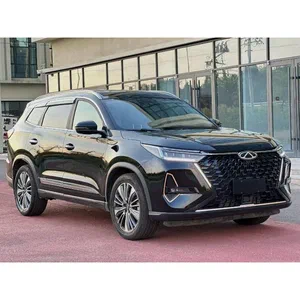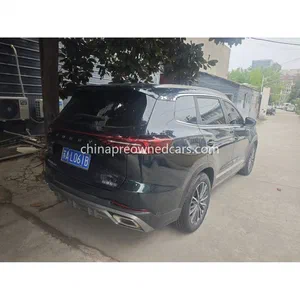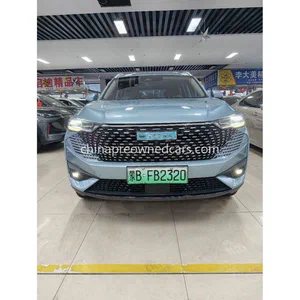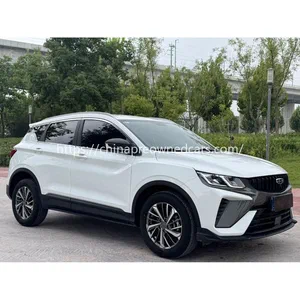
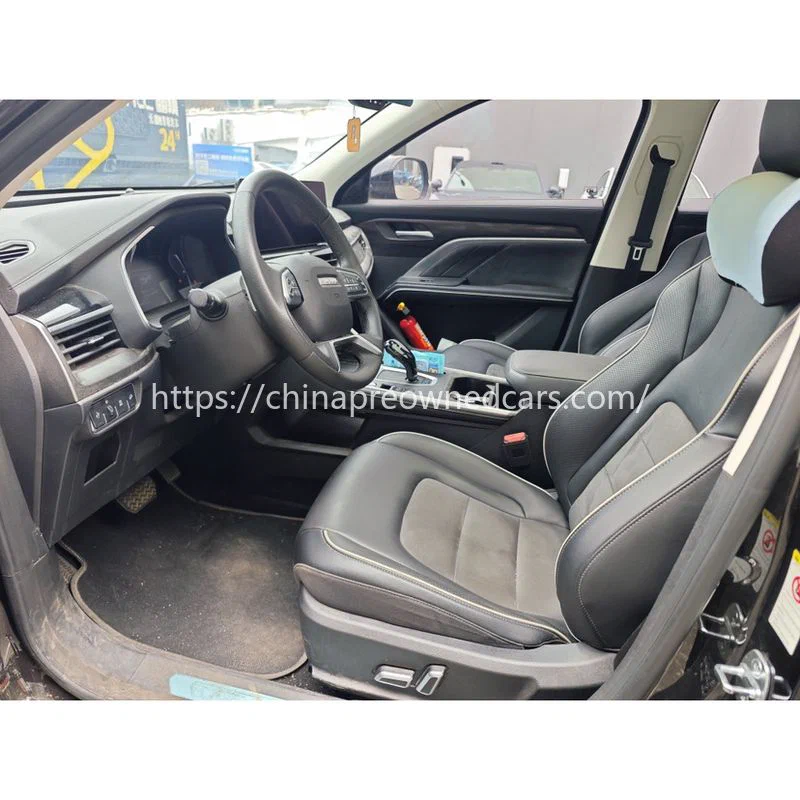
Electric and hybrid vehicles can be exported only after battery condition, charging compatibility, and transport requirements are checked. These checks determine whether a used EV or hybrid is suitable for a destination market and how its resale value may develop. The inspection process is a key part of sourcing vehicles from China for overseas buyers.
Battery state-of-health is one of the main items verified before export. A battery report should show remaining capacity compared with the original specification, charging performance, error records, and any signs of abnormal degradation. Used cars buyers sourcing EVs for export should review battery data together with vehicle history, mileage records, and inspection findings rather than relying only on the dashboard range display.
Battery condition and charging compatibility
Electric vehicles may lose available driving range as the battery ages, and this affects how the vehicle is valued after arrival. A vehicle with moderate battery degradation may still suit markets with shorter daily driving distances, while vehicles intended for longer routes require closer review of remaining capacity and charging access. Hybrid vehicles also require checks of their battery system, engine operation, and combined powertrain condition.
Charging connector standards must match the destination market. Chinese domestic EVs commonly use the GB/T charging standard, while many overseas markets use CCS or CHAdeMO systems. Importers should confirm local charger availability and connector requirements before purchase because a vehicle that cannot access common charging networks may have lower resale demand. Countries such as Ghana, Nigeria, Kenya, Uganda, and Tanzania have different levels of charging infrastructure development, so the intended operating area should be considered.
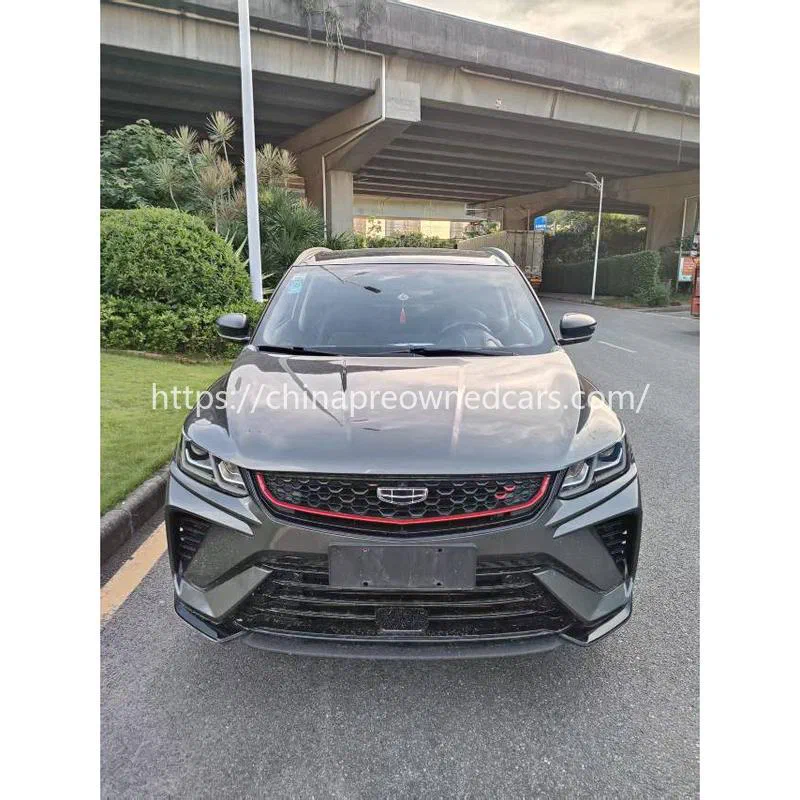
Battery transport rules are another part of export preparation. Used EV batteries are treated differently from ordinary vehicle components during international shipping, and damaged or improperly handled batteries can create safety concerns. Exporters must follow applicable dangerous goods requirements, including rules related to lithium-ion batteries such as UN 3480, and confirm the correct shipping method with logistics providers.
Export inspection and market preparation

Before shipment, electric and hybrid vehicles require export procedures including export licensing, customs declaration, and pre-shipment inspection. The inspection should cover the battery system, charging equipment, vehicle electronics, body condition, and maintenance records. Documentation should match the actual vehicle being shipped, including identification details and required export paperwork.
Shipping method also affects preparation. Vehicles may be transported by RoRo or loaded into containers depending on route availability, vehicle condition, and logistics requirements. Container shipping can provide additional protection for some shipments, while RoRo is commonly used for vehicles that can be driven onto and off the vessel. The selected method should consider the vehicle type and destination port procedures.
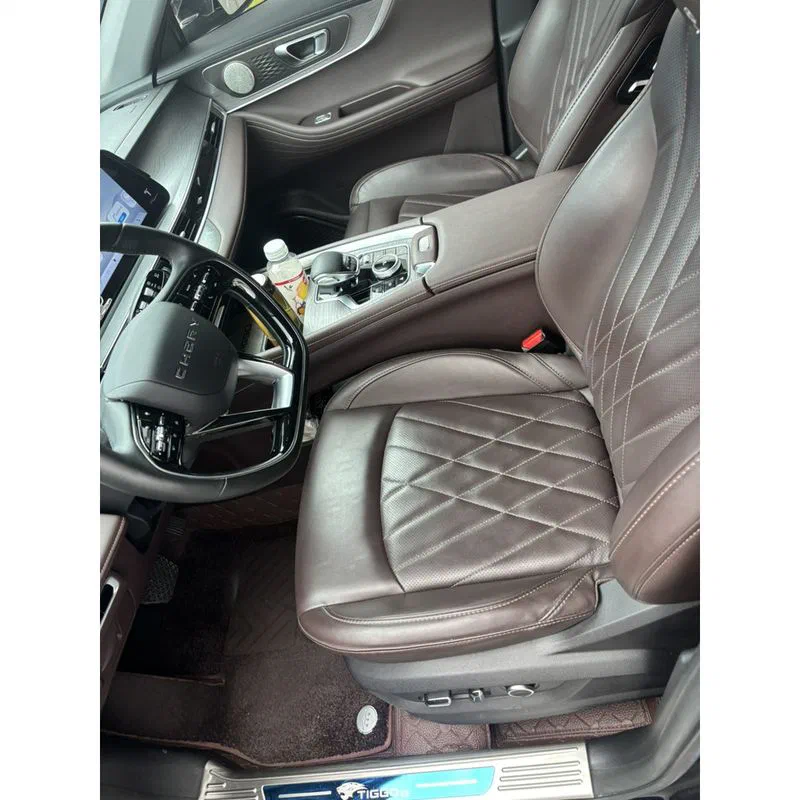
Destination regulations must be checked before purchase because requirements vary by country. Import rules may include vehicle age restrictions, emission standards, drive side requirements, and roadworthiness checks. Most Chinese domestic vehicles are left-hand drive, so buyers in markets that require right-hand-drive vehicles need to confirm availability of suitable sourcing options before ordering.
For export buyers, battery information should be considered alongside ownership costs after arrival. Charging access, replacement parts availability, and local technical support can influence the long-term market value of vehicles such as BYD Atto 3 and other Chinese-brand electric or hybrid models. A complete pre-purchase review should include battery health records, charging compatibility, inspection results, and import requirements for the final destination. These checks help buyers select vehicles that match actual market conditions rather than only the original specifications.
FAQ
Q: Why is battery state-of-health important when exporting used EVs? A: Battery state-of-health shows how much usable capacity remains and helps buyers assess expected range and resale value. It should be reviewed with inspection records and vehicle history.
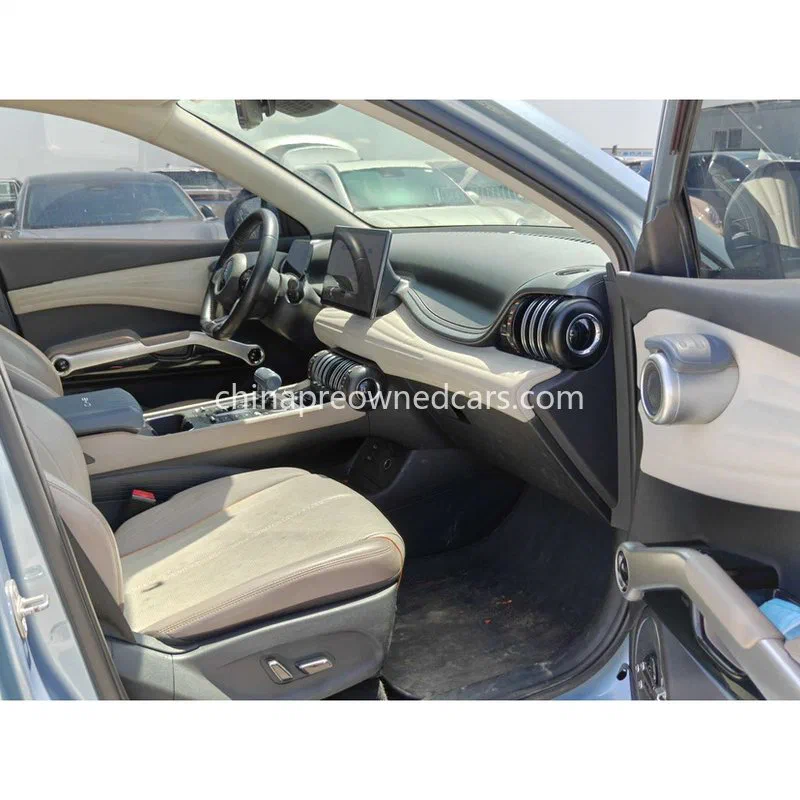
Q: Can Chinese EVs use charging systems in overseas markets? A: It depends on the vehicle connector type and the charging infrastructure available in the destination country. Buyers should confirm whether GB/T, CCS, or CHAdeMO charging is supported before shipment.
Q: Are EV batteries subject to special shipping requirements? A: Yes. Lithium-ion batteries require compliance with applicable transport and dangerous goods rules, including requirements related to UN 3480 for certain battery shipments.