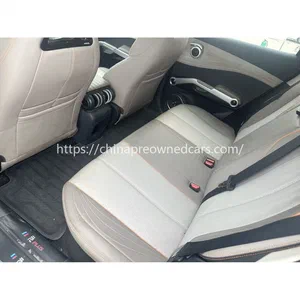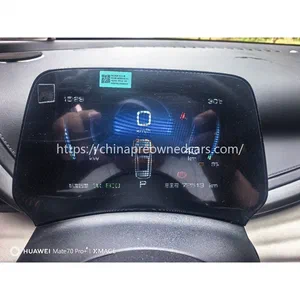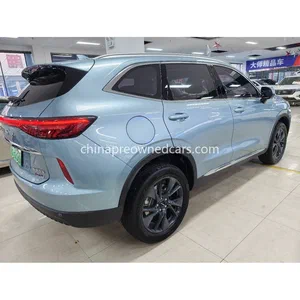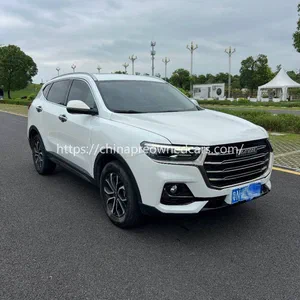
An overseas buyer considering a used car 4x4 for sale from China should verify the vehicle’s identity, mechanical condition and export documents before making payment. The purchase check should cover mileage, service records, accident history and, for electric vehicles, battery health, alongside the import rules of the destination country.
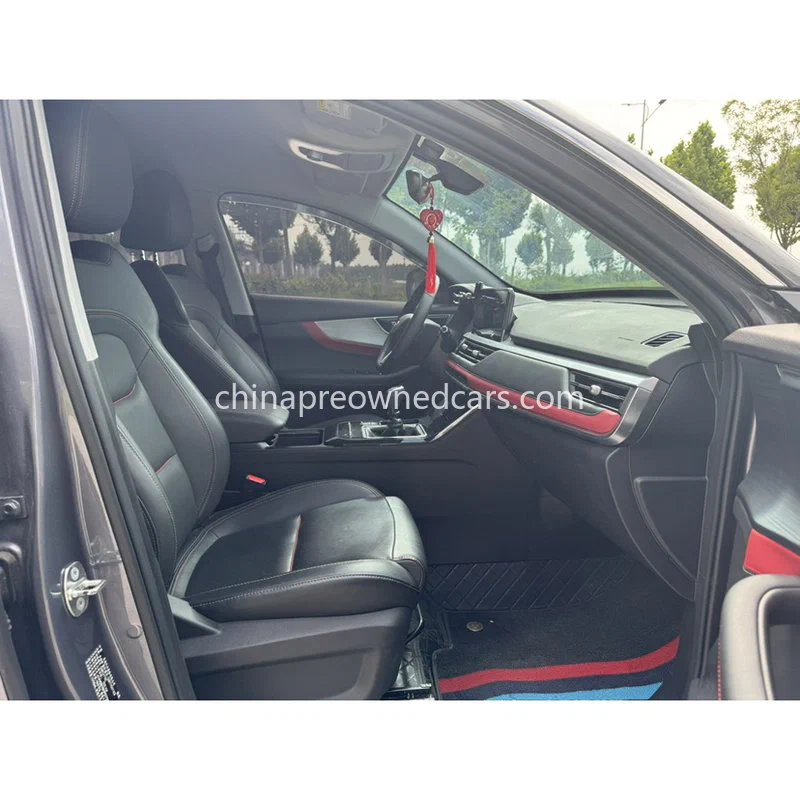
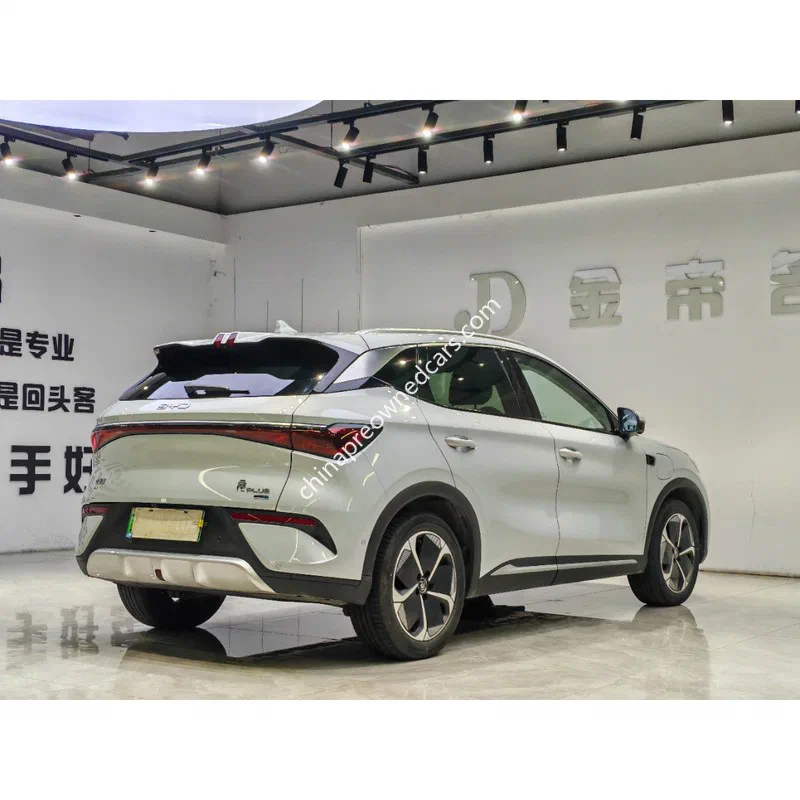
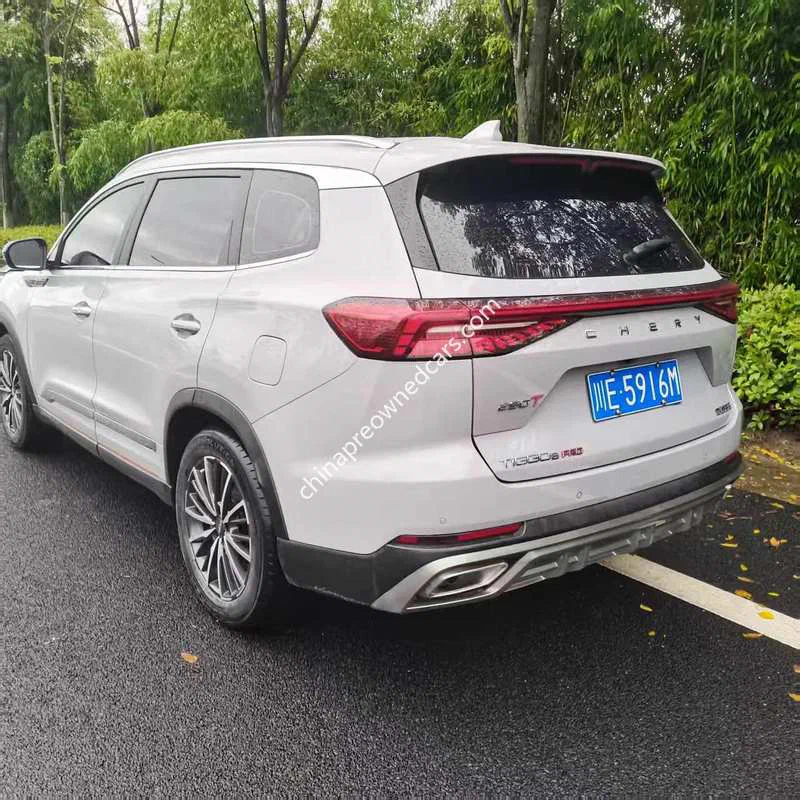
Mileage is a starting point, not proof of condition. Request a current odometer photograph and an inspection report showing the dashboard reading, engine compartment, underbody, tyres, suspension and body panels. Compare the recorded mileage with available service invoices and maintenance entries. Gaps in the service history should be explained rather than treated as evidence of a problem. Accident checks matter just as much. Ask for photographs of repaired areas, evidence of structural damage, airbag status and details of replaced components. The VIN should be visible on the vehicle and consistent across registration and export documents. Buyers can request clear photographs of the VIN stamping and identification plate, then compare the details with the vehicle records. For the BYD Atto 3, battery condition requires separate attention. Request a battery state-of-health assessment, charging-system check and available battery service history. A dashboard range estimate alone cannot establish battery capacity. For petrol SUVs such as the Chery Tiggo 7 Plus, Chery Tiggo 8 Pro, Geely Coolray and Haval H6, engine operation, transmission response, cooling system and diagnostic fault records deserve particular attention.

Documentation should be reviewed before funds are released. The exporter should explain which documents will be provided at each stage and supply copies where available. These normally include the vehicle inspection report, purchase or sales contract, export licence information, commercial invoice, packing list where applicable, and customs declaration or clearance documents. Shipping documents, including the bill of lading, follow once the vehicle has been shipped. Confirm that the seller’s business identity matches the contracting and payment details. A credible exporter should be able to explain the sourcing process, identify the vehicle being offered and provide consistent photographs and records. Buyers should also establish whether the quoted terms cover inspection, inland transport, export handling and ocean freight, or only the vehicle itself. Payment arrangements should be written into the contract, including deposit requirements, balance payment milestones, accepted payment channels and the conditions for cancellation. Avoid transferring money to unrelated personal accounts without a documented explanation. For larger orders, an independently verified company account and a clearly defined inspection approval stage reduce avoidable disputes.
Shipping and destination compliance need checking before the vehicle is purchased. China’s used vehicle exports require the relevant export licensing, customs declaration and pre-shipment inspection. Vehicles generally travel by RoRo or inside containers. RoRo can suit vehicles shipped individually, while container loading may offer additional protection or allow consolidated cargo, depending on the shipment. Confirm the shipping method, port charges, insurance responsibilities and estimated transit arrangements in writing. Buyers in Ghana, Nigeria, Kenya, Uganda and Tanzania should independently confirm current import restrictions, including vehicle age, emissions, roadworthiness and applicable duties. Most Chinese domestic vehicles are left-hand drive, so drive-side compatibility must be checked before selecting a unit. Import rules can change, and approval in one market does not establish eligibility in another. Common problems include mileage discrepancies, undisclosed repairs, incomplete paperwork, unexpected port charges and delays caused by customs documentation errors. A written pre-shipment inspection approval process helps identify problems before dispatch. The contract should also state what assistance is available if documents need correction or a vehicle arrives with a condition discrepancy. After-sales support should be defined in practical terms, including access to diagnostic information, spare parts sourcing and technical assistance.
FAQ
Q: What mileage is acceptable when importing a used SUV from China?
A: There is no universal acceptable mileage. Buyers should assess mileage alongside maintenance records, inspection findings, vehicle age and evidence of previous use.
Q: What documents should an exporter provide before shipping?
A: Request the inspection report, sales contract, export licence information and available vehicle identification records. Customs clearance documents and the bill of lading should be provided at the relevant export and shipping stages.
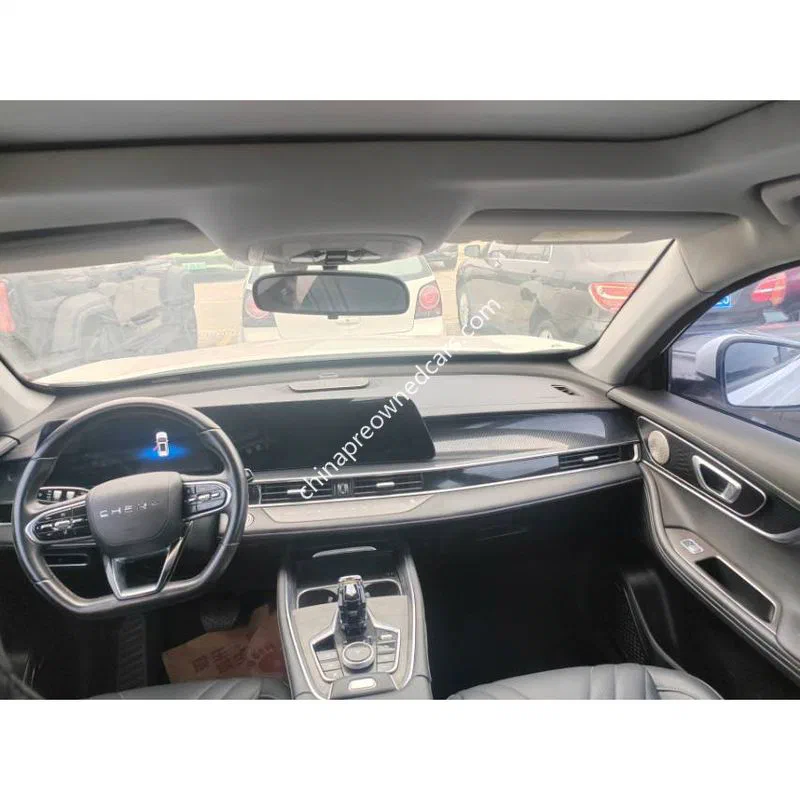
Q: Can a left-hand-drive Chinese SUV be imported into Ghana, Nigeria, Kenya, Uganda or Tanzania?
A: Drive-side rules differ by destination and may restrict left-hand-drive vehicles. Confirm current eligibility with the destination customs authority or a licensed local clearing agent before payment.