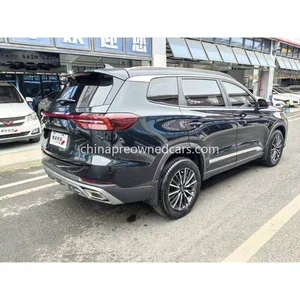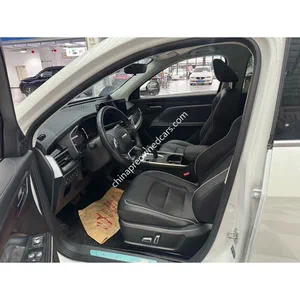
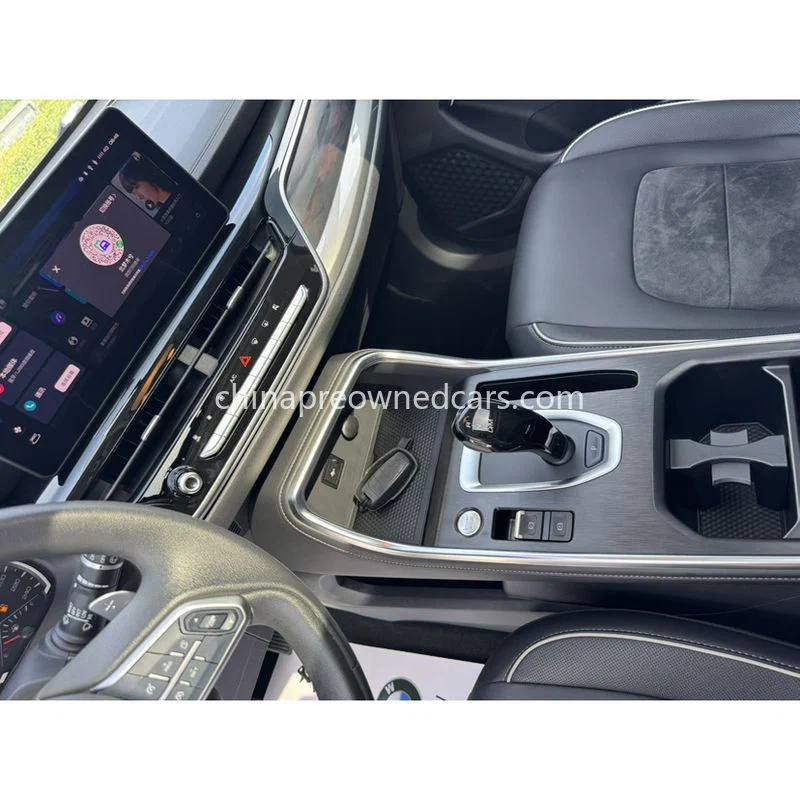
The export process for quality used vehicles from China involves several key stages, ensuring that buyers receive vehicles that meet their specific needs and standards. This article outlines the workflow, focusing on pre-shipment inspections, export documentation, shipping methods, and port handling. Understanding these steps will help potential buyers in markets like Ghana, Nigeria, Kenya, Uganda, and Tanzania effectively navigate the used vehicle import process.
Pre-shipment inspections are critical to ensuring vehicle quality and compliance with export regulations. Typically, vehicles undergo thorough checks that assess their mechanical condition, safety features, and overall appearance. During this inspection, certification is obtained to confirm that the vehicle adheres to local standards. Buyers should focus on the condition grading provided in the inspection report, which should detail the vehicle’s state and any issues that may need addressing.

Export documentation is another essential aspect of the process. Key documents include the customs declaration, bill of lading, and certificate of origin. The customs declaration provides detailed information about the vehicle, including its value and specifications. The bill of lading serves as proof of shipment and outlines the terms of transport. Lastly, the certificate of origin verifies the vehicle’s country of manufacture, which is often necessary for customs clearance in the destination market.
Shipping methods play a significant role in the export process. Vehicles can be shipped using either Roll-on/Roll-off (RoRo) or container shipping. RoRo is generally more cost-effective and suitable for larger shipments, while container shipping provides added protection against potential damage. Buyers should consider the trade-offs between cost and risk of damage when selecting a method. Shipping times can vary, but typically lead times are around 15-25 days, depending on the destination and shipping method.
Port handling procedures are also vital to the export process. Once the vehicle arrives at the destination port, customs clearance must be completed before the vehicle can be released. This involves presenting all necessary documentation to customs officials, who will verify the information and ensure compliance with local regulations. Buyers should prepare for potential additional fees or inspections required by local customs.
Before finalizing a purchase, buyers should verify several aspects of the vehicle. It’s important to check the vehicle identification number (VIN) against documentation to ensure authenticity. Additionally, confirming the condition and mileage through visual inspection or third-party assessments can prevent future issues. Negotiating payment terms, including deposits or financing options, is also crucial for securing the purchase.
After-sales support is an important consideration for buyers. Reliable exporters often provide assistance with issues that may arise post-purchase, such as warranty claims or parts availability. It’s advisable to inquire about the level of support offered and the typical response times for any potential concerns after the vehicle has been delivered.
FAQ
Q: What documents do I need to import a vehicle from China?
A: Essential documents include the customs declaration, bill of lading, and certificate of origin. Additional documents may be required based on local regulations.
Q: How long does the shipping process typically take?
A: The shipping process usually takes around 15-25 days, depending on the shipping method and destination port.