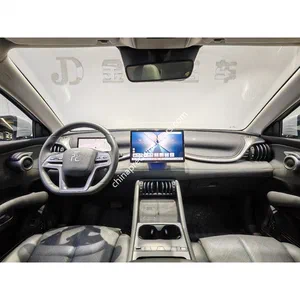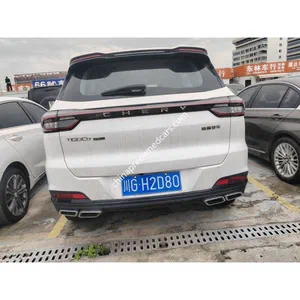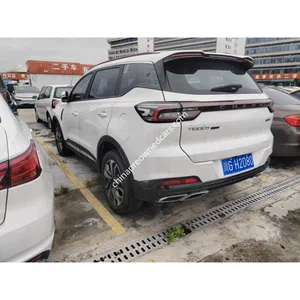
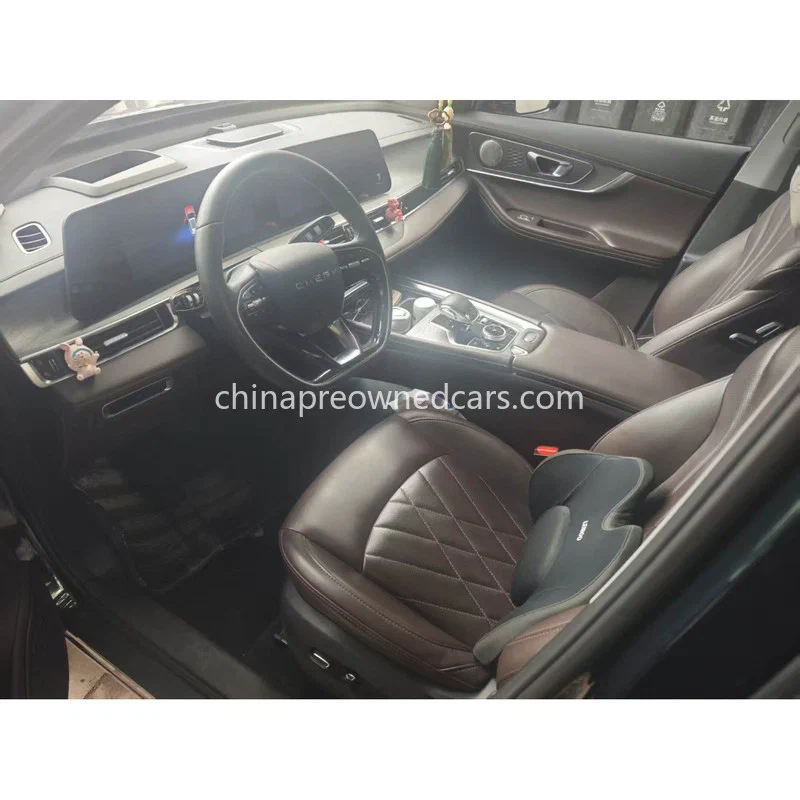
The export process for affordable used cars, particularly electric and hybrid SUVs from China, involves several key stages. Each step is essential to ensure that vehicles are compliant with regulations in destination markets such as Ghana, Nigeria, Kenya, Uganda, and Tanzania. This article outlines the workflow, from pre-shipment inspection to shipping methods, to provide clarity for potential buyers seeking the best value used cars under 15000.
Pre-shipment Inspection
Before a vehicle is exported, it undergoes a thorough pre-shipment inspection. This process typically includes checks on the vehicle’s overall condition, functionality of critical systems such as brakes and lights, and verification of mileage. Buyers should ensure that the certification from the inspection is documented, as this will be necessary for customs clearance in the destination country. The inspection helps identify any issues that might affect the vehicle’s performance and compliance with local regulations.
Export Documentation
Proper export documentation is crucial in facilitating smooth customs clearance. Key documents required include the customs declaration, bill of lading, and certificate of origin. The customs declaration provides detailed information about the vehicle, including its specifications and value. The bill of lading serves as a receipt for the cargo and outlines the shipping terms, while the certificate of origin confirms the vehicle’s country of origin, which can impact tariffs and duties. Buyers are advised to confirm specific documentation requirements with their destination country’s regulations.
Shipping Methods: RoRo vs. Container
When it comes to shipping vehicles internationally, two primary methods are used: Roll-on Roll-off (RoRo) and container shipping. RoRo is generally more cost-effective and allows vehicles to be driven directly onto the ship, but it exposes vehicles to weather conditions, which can pose a risk of damage. Container shipping, while usually more expensive, offers better protection against environmental factors and potential theft. Buyers should consider the trade-offs of each method based on their budget and the vehicle’s condition during transport.
Port Handling and Customs Clearance
Upon arrival at the destination port, the vehicle must go through customs clearance. This involves presenting all required documentation to customs officials, who will inspect the vehicle and verify compliance with local regulations. Port handling procedures vary by location, so it’s important for buyers to be aware of the specific processes in their destination country. This stage can take anywhere from several days to a few weeks, depending on the efficiency of the port and the completeness of the documentation provided.
Typical Lead Times
Shipping lead times for used vehicles can vary significantly based on shipping method, distance, and port efficiency. Generally, RoRo shipping may take around 15 to 25 days, while container shipping might require additional time for loading and unloading. Buyers should factor in these lead times when planning their acquisition and consider potential delays that may arise during customs clearance or port handling.
Market-Specific Requirements
Different markets impose various requirements regarding vehicle specifications, including emission standards, vehicle age limits, and drive side preferences. Most vehicles in the inventory are left-hand drive, which is suitable for many countries but may not fit markets that require right-hand drive vehicles. Buyers need to confirm the current regulations in their destination country to ensure compliance, as these rules can change frequently.
Practical Buyer Guidance

Before purchasing a used vehicle for export, buyers should verify the vehicle’s condition through a reliable inspection report. Payment terms are usually negotiated between the exporter and buyer, with options that may include upfront payments or escrow services. After-sales support is also critical, as it can provide assistance with any post-purchase issues that may arise. Buyers should inquire about the availability of such support from the exporter.
FAQ
Q: What should I check before buying a used car for export?
A: Verify the vehicle’s condition through a thorough inspection report and ensure all necessary documents are in order, including customs declarations.
Q: How long does the shipping process usually take?
A: Shipping can take approximately 15 to 25 days for RoRo, while container shipping may take longer due to loading and unloading times.