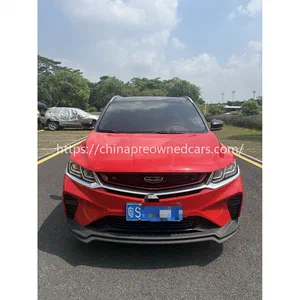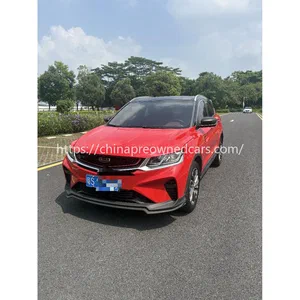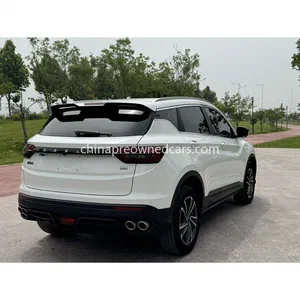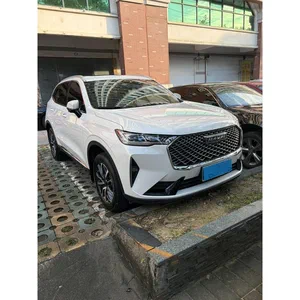
This page explains how classic used cars for sale classic are prepared for export from China, covering inspection, paperwork, shipping methods, and port handling. The process involves multiple stages before a vehicle can leave China and arrive at a destination market such as Ghana, Nigeria, Kenya, Uganda, or Tanzania.
Export preparation and inspection stages
Used vehicle export starts with vehicle selection and condition assessment. Chinese-brand models such as BYD Atto 3, Chery Tiggo 7 Plus, Chery Tiggo 8 Pro, Geely Coolray, and Haval H6 are checked before export arrangements begin. The inspection process usually reviews exterior condition, interior wear, mechanical operation, electrical systems, tires, safety equipment, and vehicle identification information.
For electric and hybrid SUVs, additional checks are needed. Battery condition, battery state of health records where available, charging system operation, and related transport considerations must be reviewed. These factors are different from combustion vehicles and can affect preparation requirements for international shipment.
Pre-shipment inspection is a required stage for Chinese used vehicle exports. The vehicle is inspected according to export procedures, and the exporter prepares the required inspection certification and related documents. Buyers should review available inspection results, vehicle history information, and identification details before confirming a purchase.
Customs documents and export clearance
After inspection approval, the exporter handles export documentation. China used vehicle exports require export licensing, customs declaration, and supporting paperwork before shipment. Common documents include the export declaration documents, bill of lading issued after shipment, certificate of origin where applicable, vehicle information records, and commercial documents required by the transaction.
Customs clearance depends on accurate information matching the vehicle and shipment. Errors in vehicle identification numbers, ownership records, or shipping documents can delay processing. A professional exporter coordinates these steps with customs agents and shipping providers while the buyer should confirm which documents are required by the destination country.
Destination rules vary. Ghana, Nigeria, Kenya, Uganda, and Tanzania each have their own requirements for vehicle age, emission standards, roadworthiness, and import procedures. Buyers should confirm current regulations with local authorities or customs representatives before shipping because these requirements can change.
Shipping options and port handling

Used vehicles from China are commonly shipped by RoRo or container transport. RoRo shipping allows vehicles to be driven onto a vessel and is often used for larger vehicle movements. It can simplify loading procedures, but vehicles are handled in an open vehicle deck environment and protection requirements should be reviewed.
Container shipping places vehicles inside a container and can provide additional protection during ocean transport. It may suit individual units or shipments requiring more controlled handling, although loading arrangements and container availability affect the process. The choice depends on vehicle type, shipment size, destination port facilities, and cost considerations.

At the departure port, vehicles go through export terminal procedures before loading. Port handling includes document checks, vehicle movement, loading arrangements, and final shipping confirmation. After arrival, the destination port manages unloading, customs procedures, and local clearance according to national requirements.
Lead times and buyer checks
Shipping lead times vary depending on preparation, port schedules, customs processing, and destination arrangements. Export preparation may take time before a vehicle reaches the vessel, while ocean transport and local clearance add further stages. Buyers should request an estimated timeline from the exporter based on the actual route and shipment plan.
Before payment and shipment confirmation, buyers should verify several points:
- Vehicle identification and available history records
- Inspection documents and export paperwork
- Drive side compatibility with the destination market
- Battery information for electric and hybrid vehicles
- Import requirements at the receiving country
Most vehicles sourced from China are left-hand drive. This fits many markets, including several countries in Africa, but buyers in right-hand-drive markets need to confirm suitability before sourcing a vehicle. Import regulations can differ even between nearby countries.
An exporter also provides support after the vehicle leaves China. This may include shipping updates, document coordination, and assistance with communication during customs clearance. Buyers should clarify payment terms, document release procedures, and after-sales support arrangements before finalizing the transaction.
FAQ
Q: What documents are needed to export used cars from China? A: Required documents normally include export licensing documents, customs declaration records, bill of lading, certificate of origin where applicable, and vehicle transaction documents. Exact requirements depend on the destination market.
Q: Is RoRo or container shipping better for used vehicles? A: RoRo is commonly used for efficient vehicle transport, while containers can provide more protection during ocean shipping. The suitable method depends on vehicle type, shipment size, destination port conditions, and cost considerations.
Q: What should buyers check before importing a Chinese used SUV? A: Buyers should verify vehicle condition, inspection records, battery information for EVs or hybrids, drive side compatibility, and current import regulations in the destination country.